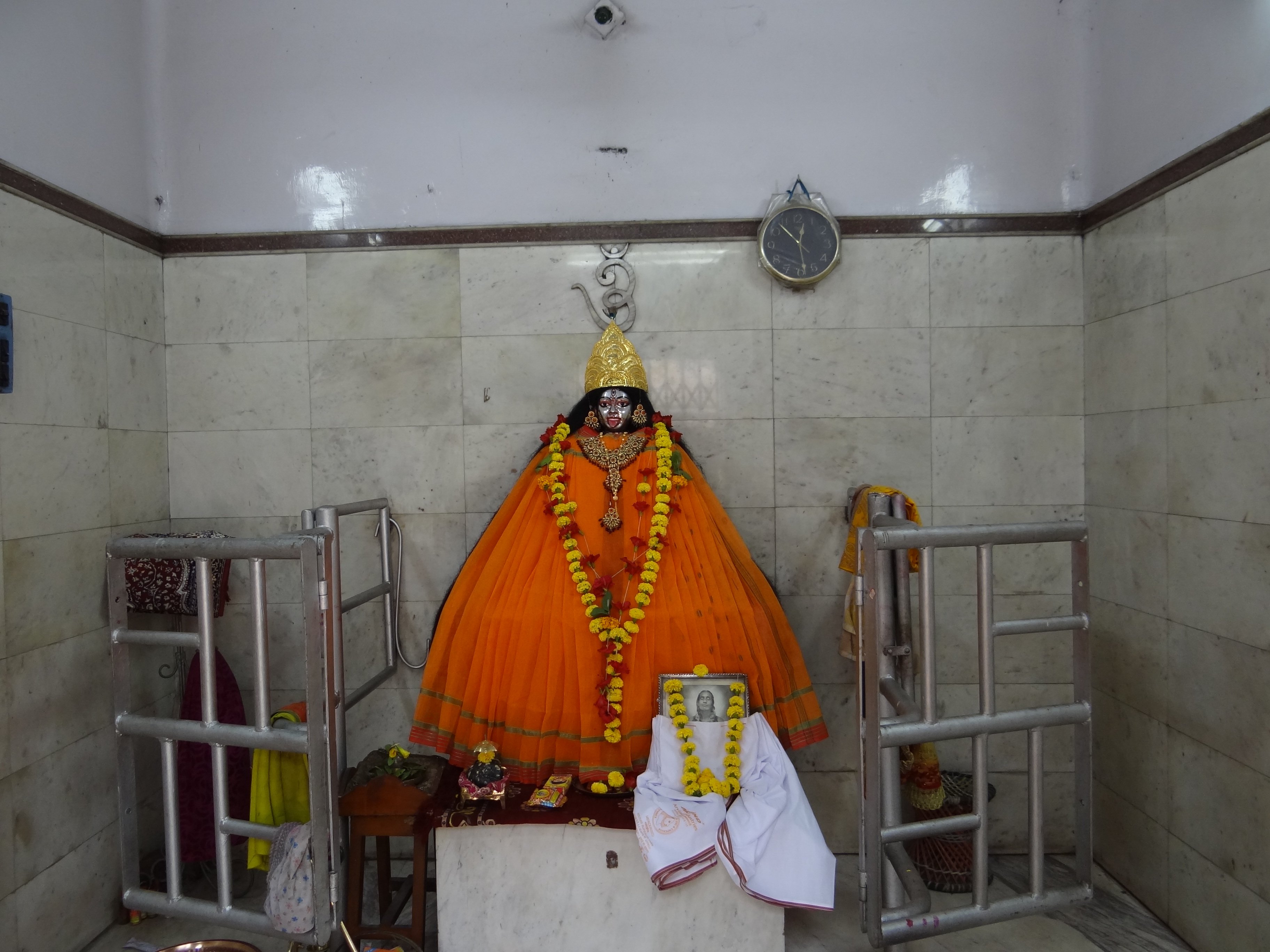
Tarapith is a small town in Birbhum district, about 230 km from Kolkata, built around one of the most significant Tantric temples in Bengal. The Tara temple is dedicated to goddess Tara, a fierce Tantric form of the divine mother, and draws pilgrims practising the Shakta tradition from across eastern India.
The town is also inseparable from Bamakhepa, a 19th-century mystic known as the "mad saint," who lived, worshipped, and meditated in the adjacent cremation grounds (shmashana) and is regarded as a siddha — one who has attained spiritual perfection. The cremation grounds are active; sadhus and Tantric practitioners meditate here, particularly at night. Visiting the shmashana is a disquieting experience that is entirely different from the more conventional temple circuit. Bamakhepa's ashram is near the temple.
The town itself is a pilgrimage settlement — roughly 350 lodges of varying quality, a concentration of sweet shops and flower sellers around the temple entrance, and not much else. The atmosphere is intense and very specifically Bengali Hindu rather than generic. Rampurhat, the nearest large town with a railway station, is 6 km away; most trains from Kolkata (Sealdah) take about 3.5 hours to reach Rampurhat.
Nearby places worth combining: Bolpur Shantiniketan (the university town founded by Tagore), Bakreshwar (a thermal spring and temple), and Nalhati.