Denpasar is the capital of Bali and its largest city, a busy, traffic-choked metropolis of around 750,000 people in the south of the island. For most travellers it is the place you transit through rather than stay in — the airport (now officially called Ngurah Rai International) is technically in neighbouring Tuban, and the backpacker district of Kuta and the upmarket resorts of Seminyak, Canggu and Sanur are a short drive away. Denpasar itself has none of the rice-paddy charm that people come to Bali for, and few visitors give it more than a couple of hours.
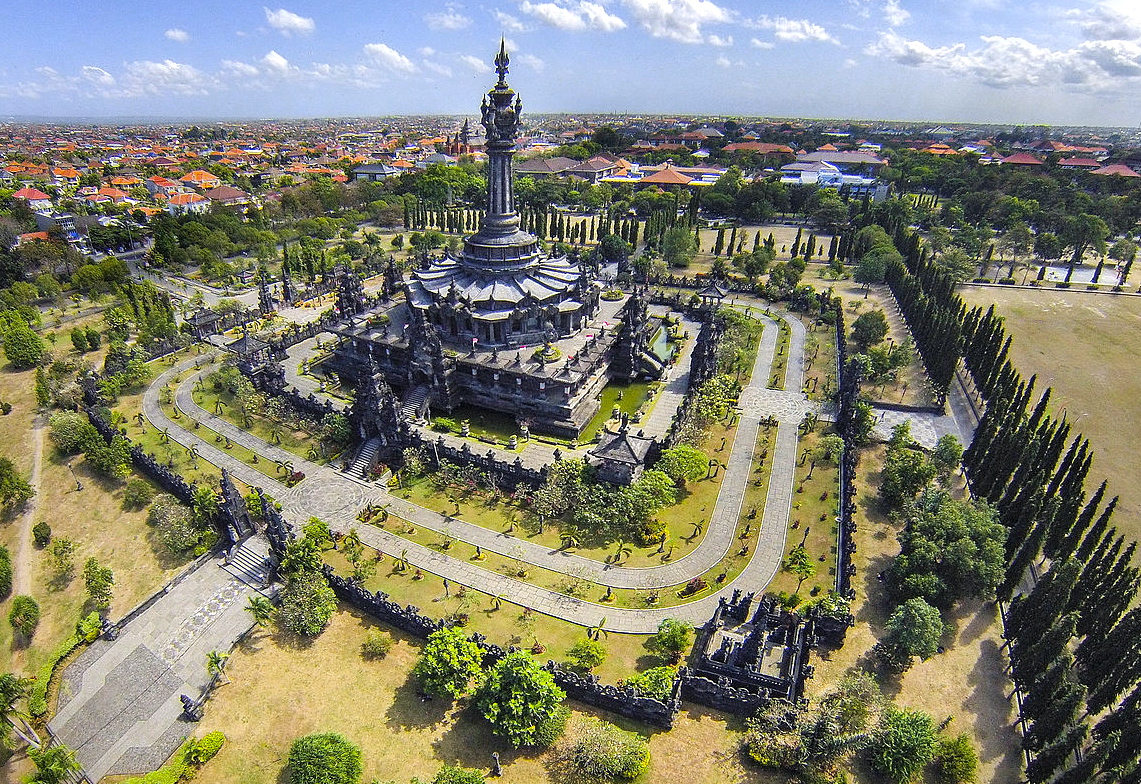
That said, the city is the heart of modern Balinese cultural life, and has the best museums and cultural institutions on the island. The Bali Museum, on the main square, has the most serious collection of Balinese art, religious objects and historical exhibits in the country and is housed in a building that is itself a catalogue of traditional Balinese architecture. Next door, the Pura Jagatnatha is Denpasar's main Hindu temple, dedicated to the supreme god Sang Hyang Widhi Wasa; it is quiet during the day and spectacular on full-moon festival nights. The annual Bali Arts Festival, held at the Taman Werdhi Budaya cultural centre every June and July, is a month-long programme of traditional music, dance, wayang kulit shadow puppetry, and theatre from every corner of the island — by far the best time to be in the city. The sprawling Pasar Badung, Bali's largest traditional market, is another good reason to stop, especially early in the morning when the flower sellers arrive. The Bajra Sandhi Monument in Renon offers a museum of Balinese history and the best views over the city. And hidden near the beach at Sanur, the abandoned Taman Festival Bali theme park — left to the jungle since the 1998 financial crisis — is one of the more haunting sights in all of Southeast Asia.