Canggu
©
Canggu

Canggu

Bali surf neighbourhood turned digital-nomad hub, where rice fields, beach clubs, and serious breaks crowd together.

Canggu is the neighbourhood that happened to Bali when the Airbnb generation arrived. Ten years ago it was a village of rice fields, surf breaks, and a handful of warung. Now it is one of Southeast Asia's most concentrated digital nomad hubs, with co-working cafes on every corner, boutique yoga studios in converted barns, and a beach road of beach clubs, smoothie bars, and Instagram-ready restaurants. It has somehow managed to remain genuinely pleasant despite all of this.

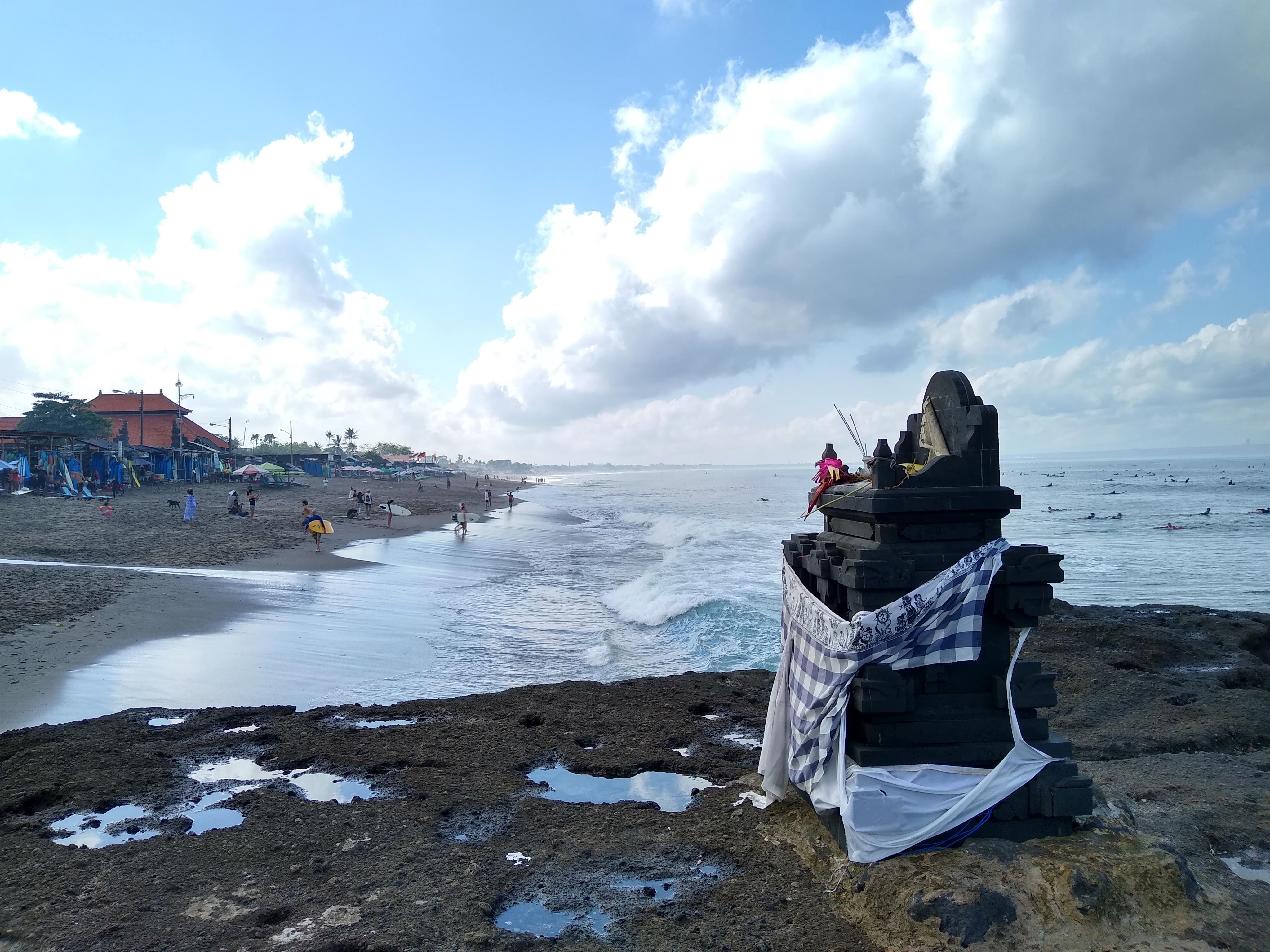
The surf is the anchor. Echo Beach and Batu Bolong are serious breaks that have been drawing intermediate-to-advanced surfers for decades; the point at Berawa is gentler. Surf schools line the beach roads. At sunset the water is full of shortboarders and longboarders catching the last light, and the bars set back from the beach fill up to watch them. The sunsets here, facing due west, are exceptional.

Behind the beaches the neighbourhood extends into rice fields and smaller lanes where the old Bali persists alongside the new cafes. Pura Batu Bolong, a small temple on a black-rock promontory at the south end of the beach strip, is one of the prettiest sea temples on the island. The rice fields north of the main road are genuinely beautiful and largely unvisited by the tourists who stay on the coast.

Canggu sits between Seminyak to the south and the quieter villages of Pererenan and Cemagi to the north. It is noisier and more crowded than either, but the combination of surf, social scene, and beautiful countryside is hard to resist. Most people who come for a week end up staying longer.

Guide

Bars and Cafes in Canggu

Canggu's cafe scene is absurdly good. The co-working cafes on the main streets serve decent coffee all day; the rice field cafes are quieter and more scenic; the beach-facing bars are loud and social from about 4pm. The Old Man's bar on Batu Bolong beach is the longest-running social hub and still draws the biggest after-surf crowd. The beach clubs at Berawa are more expensive and more polished — cocktails, DJs, and sunset views from an infinity pool.

The evening scene is concentrated on Jalan Pantai Batu Bolong and the roads around the Batu Bolong beach. It is lively but not as late-night as Kuta — Canggu tends to empty out by midnight on most nights except weekends.

Guide

Eating Out in Canggu

Canggu has more cafes and restaurants per square kilometre than almost anywhere else in Southeast Asia, and the quality is generally high. The dominant style is healthy — acai bowls, plant-based menus, cold-pressed juice — but there are also excellent Indonesian warungs, wood-fired pizza, Japanese, and a handful of serious fine dining rooms.

The warungs on the lanes behind the beaches are the best value by far and often serve the most genuine Balinese food. Warung-style nasi campur — a plate of rice with a rotation of small dishes — is typically excellent. The main beach strip has more expensive options that cater heavily to the international crowd; the rice field cafes charge a premium for the view but sometimes deserve it.

Guide

Getting Around

Canggu runs on scooters. Hiring one is straightforward and most people do it, but the traffic on the main roads (Jalan Raya Canggu and Jalan Pantai Batu Bolong) has become heavy enough that the rice field lanes are often faster. Many visitors walk between the beaches, which is perfectly feasible along the coast path.

Gojek and Grab ride-hailing apps work well and are generally cheaper than negotiating with taxi drivers. The apps won't always accept pick-ups from directly outside beach clubs or restaurants — a short walk to the road is often needed.

Getting to Canggu from Seminyak or Kuta takes 20–40 minutes by scooter or car depending on traffic. From Ubud it is about an hour. There is no practical public transport.