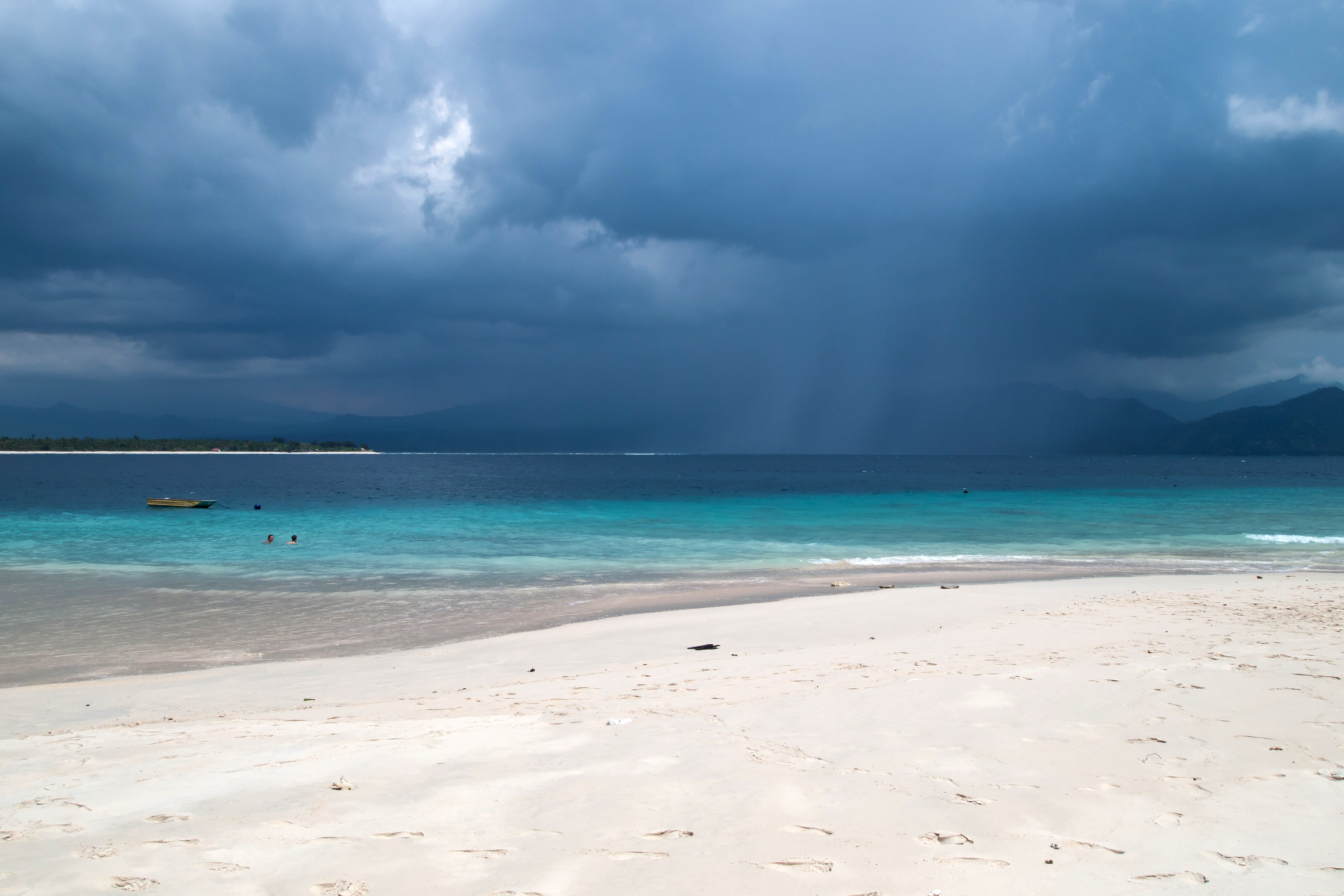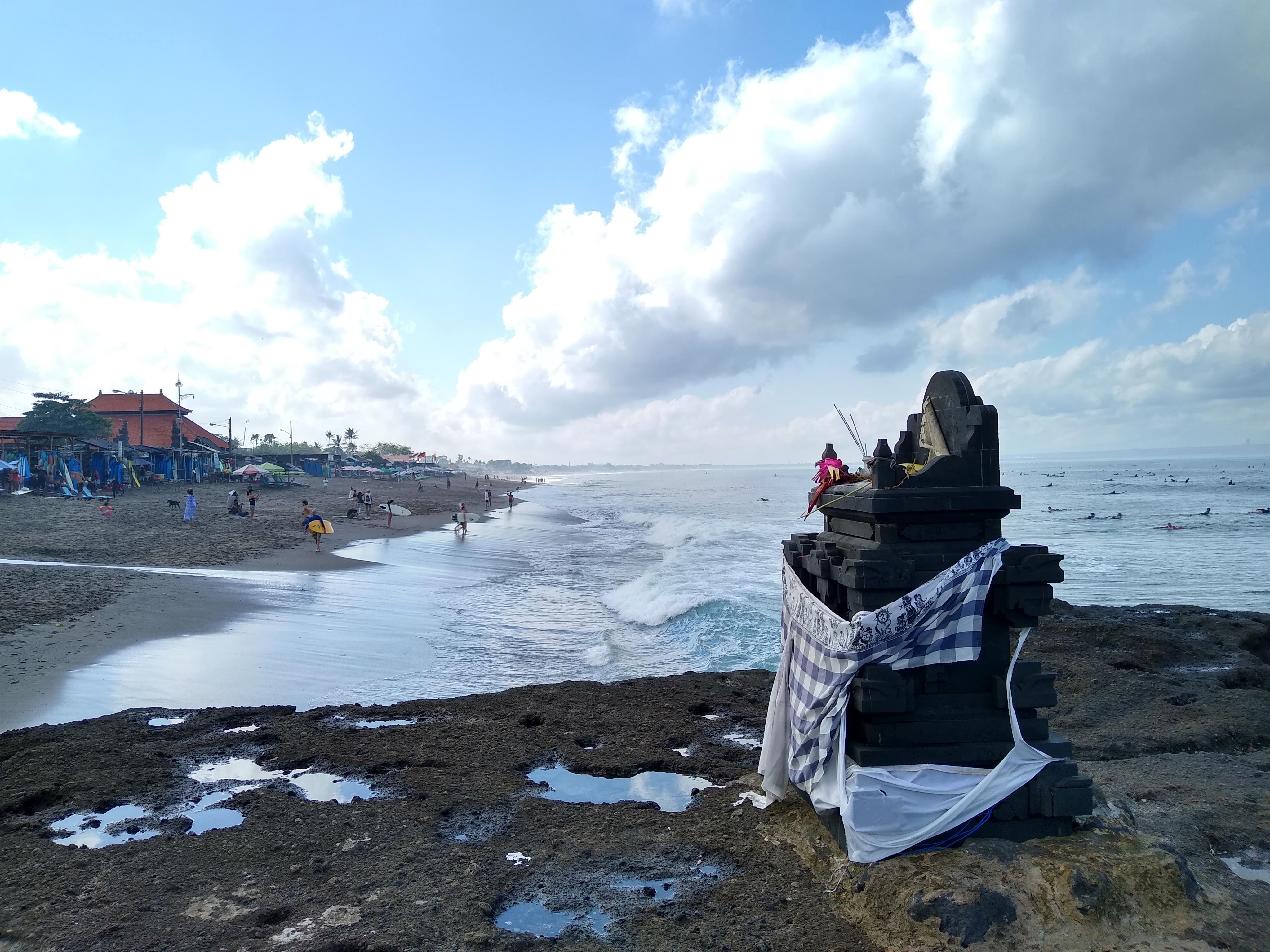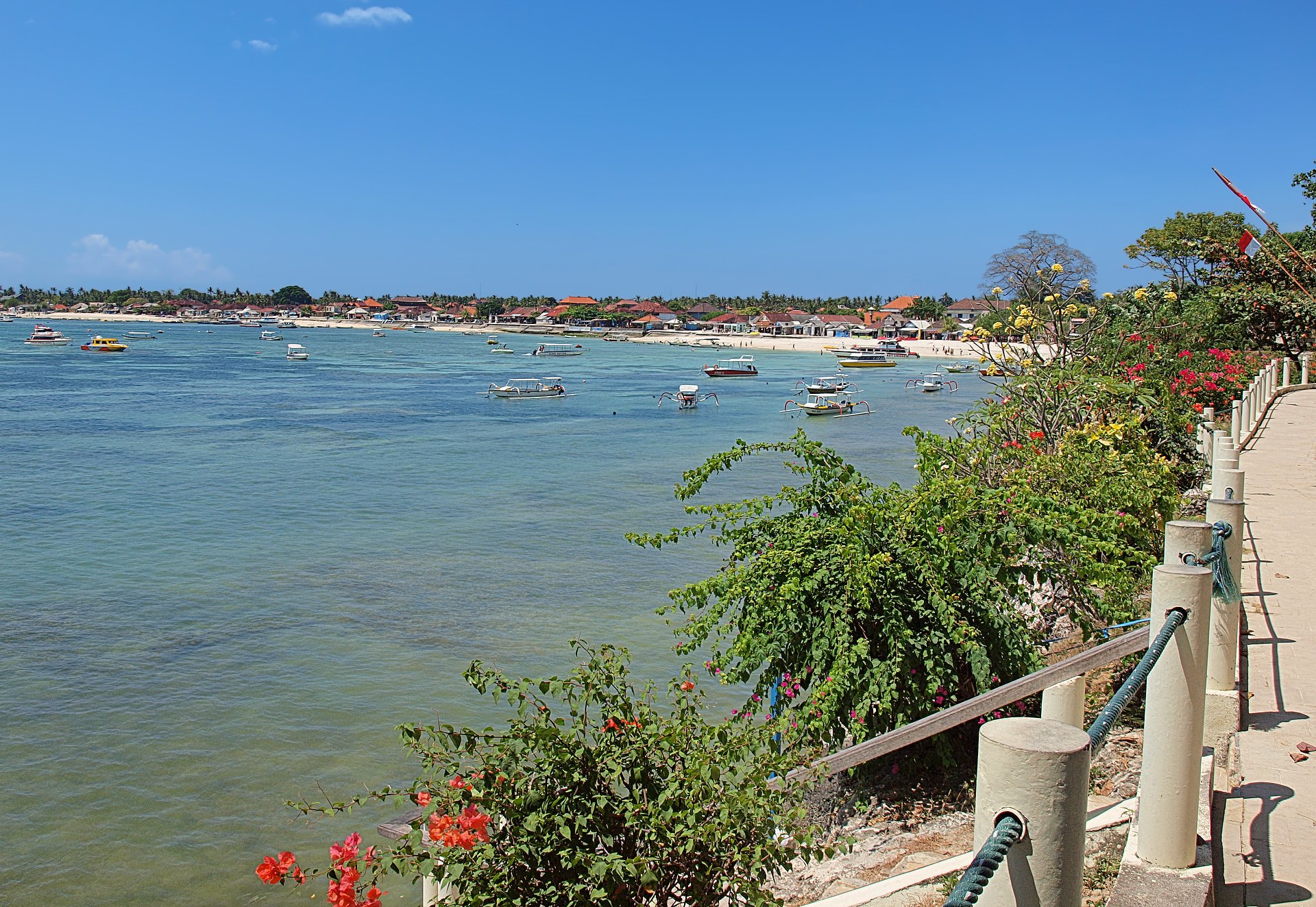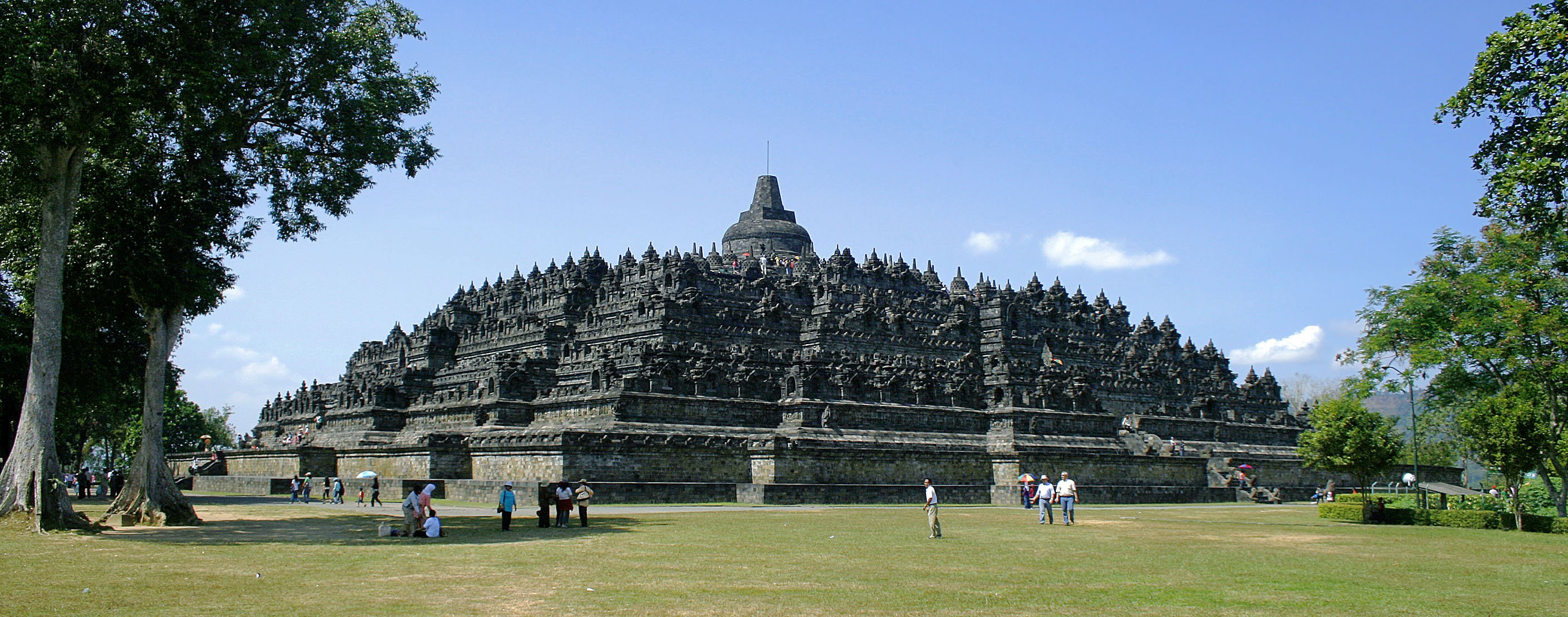
Indonesia is the world's largest archipelago — over 17,000 islands stretching across 5,000 kilometres of ocean between the Indian and Pacific. It is the fourth most populous country on earth, with 270 million people spread across six main islands and hundreds of smaller ones, speaking more than 700 distinct languages. Few countries offer such variety in so compact a form: Hindu temples and active volcanoes on Java, animist villages in the highlands of Sumatra, some of the world's best coral reefs in eastern Maluku and Raja Ampat, and the living dragons of Komodo.
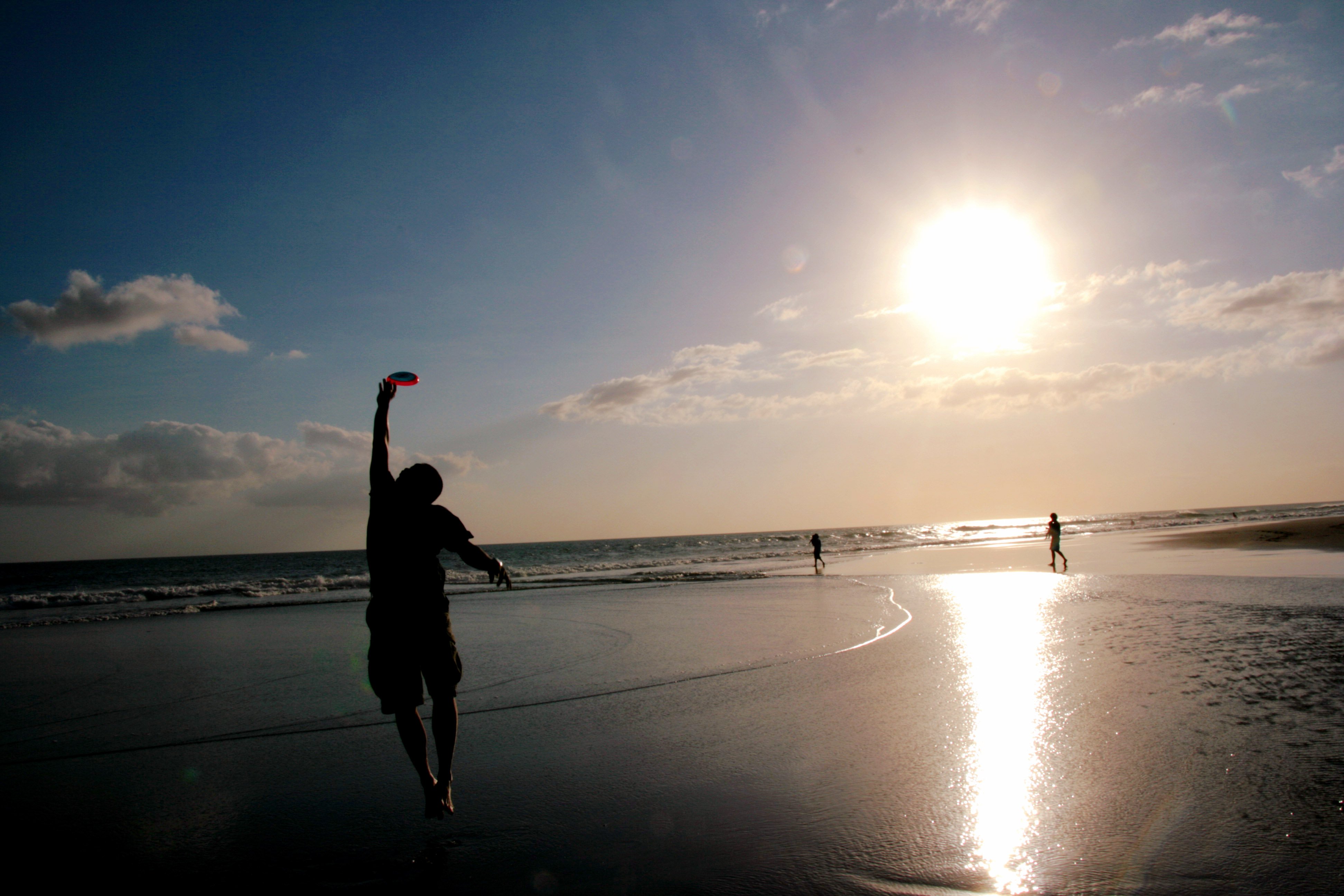
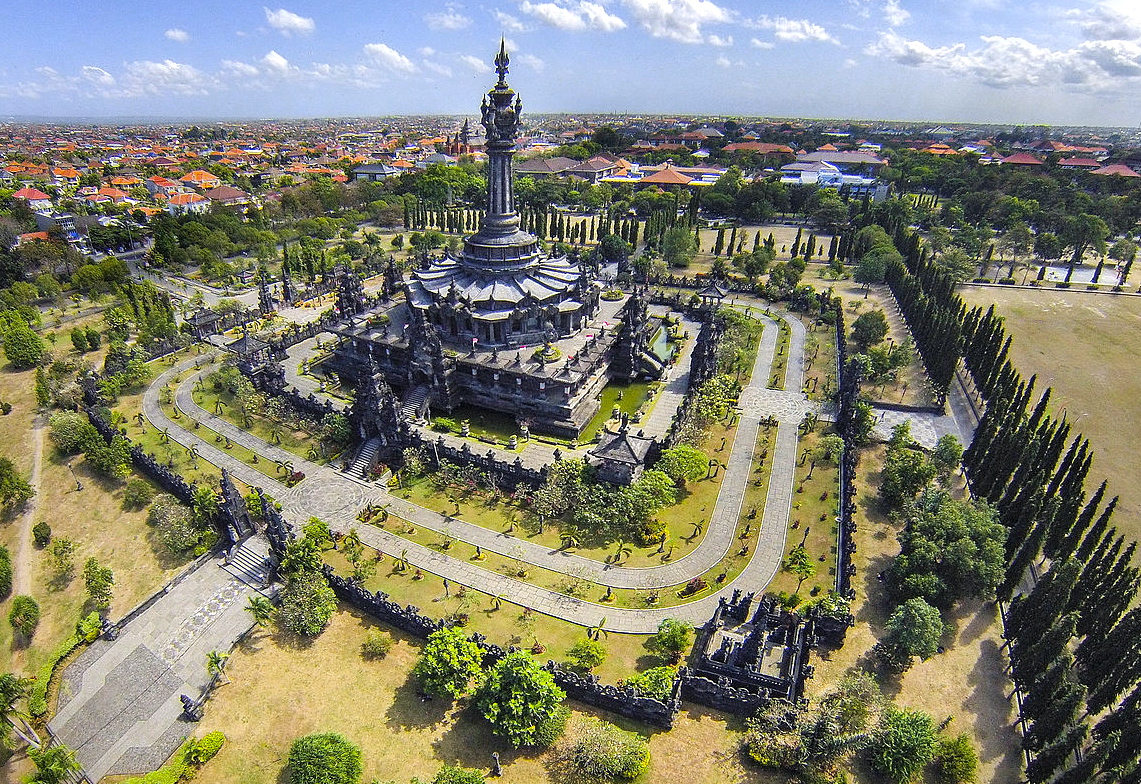
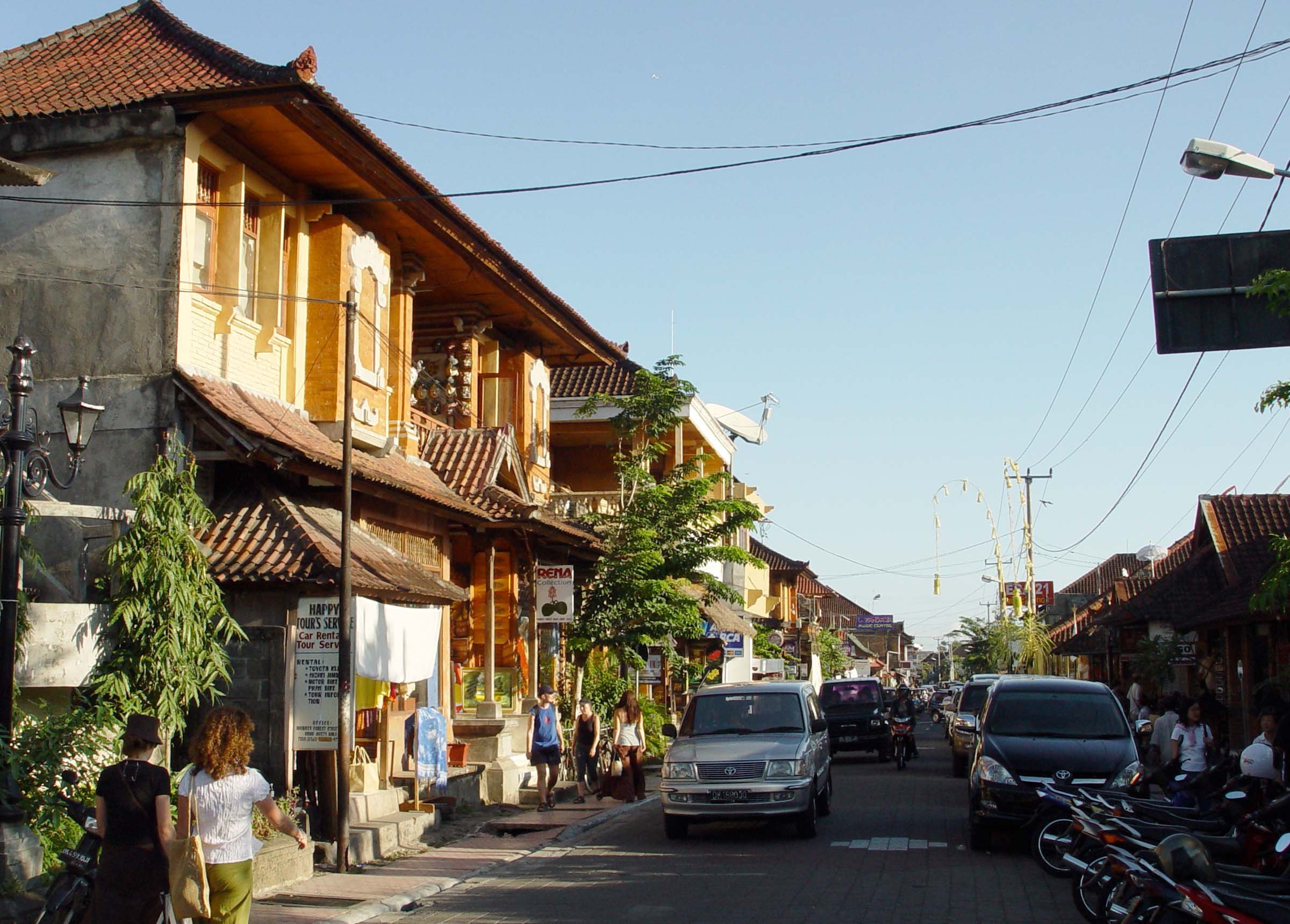
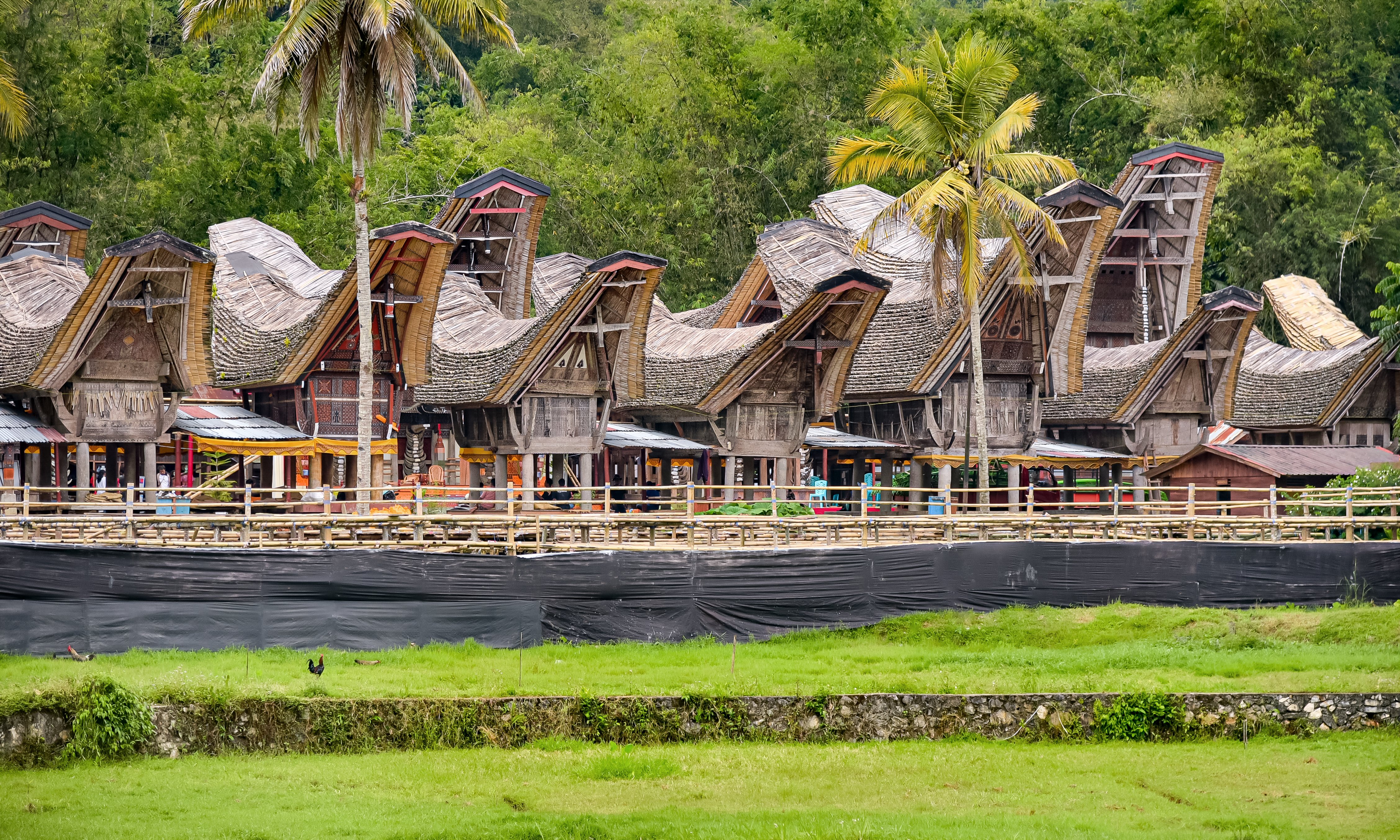
Bali is what most people picture when they think of Indonesia: rice terraces, temple festivals, surf and crowds. It earns its reputation. But limiting yourself to Bali is like visiting France and not leaving Paris — the rest of the country is enormous, diverse, and largely uncrowded. Java holds two UNESCO World Heritage temple complexes at Borobudur and Prambanan, the chaotic energy of Jakarta, and the cultural heartland of Yogyakarta. Sulawesi has the extraordinary Tana Toraja funeral culture and world-class diving at Bunaken. Kalimantan — Indonesia's share of Borneo — still has orangutans in the wild.
Indonesia is a Muslim-majority country, though the practice varies enormously by region. Bali is predominantly Hindu. Parts of Sulawesi and Maluku are largely Christian. The Javanese have long blended Islam with older Hindu-Buddhist and animist traditions. The result is a country where religion is visible and alive — ceremony, festival, and ritual are woven into daily life — but rarely confrontational toward visitors.
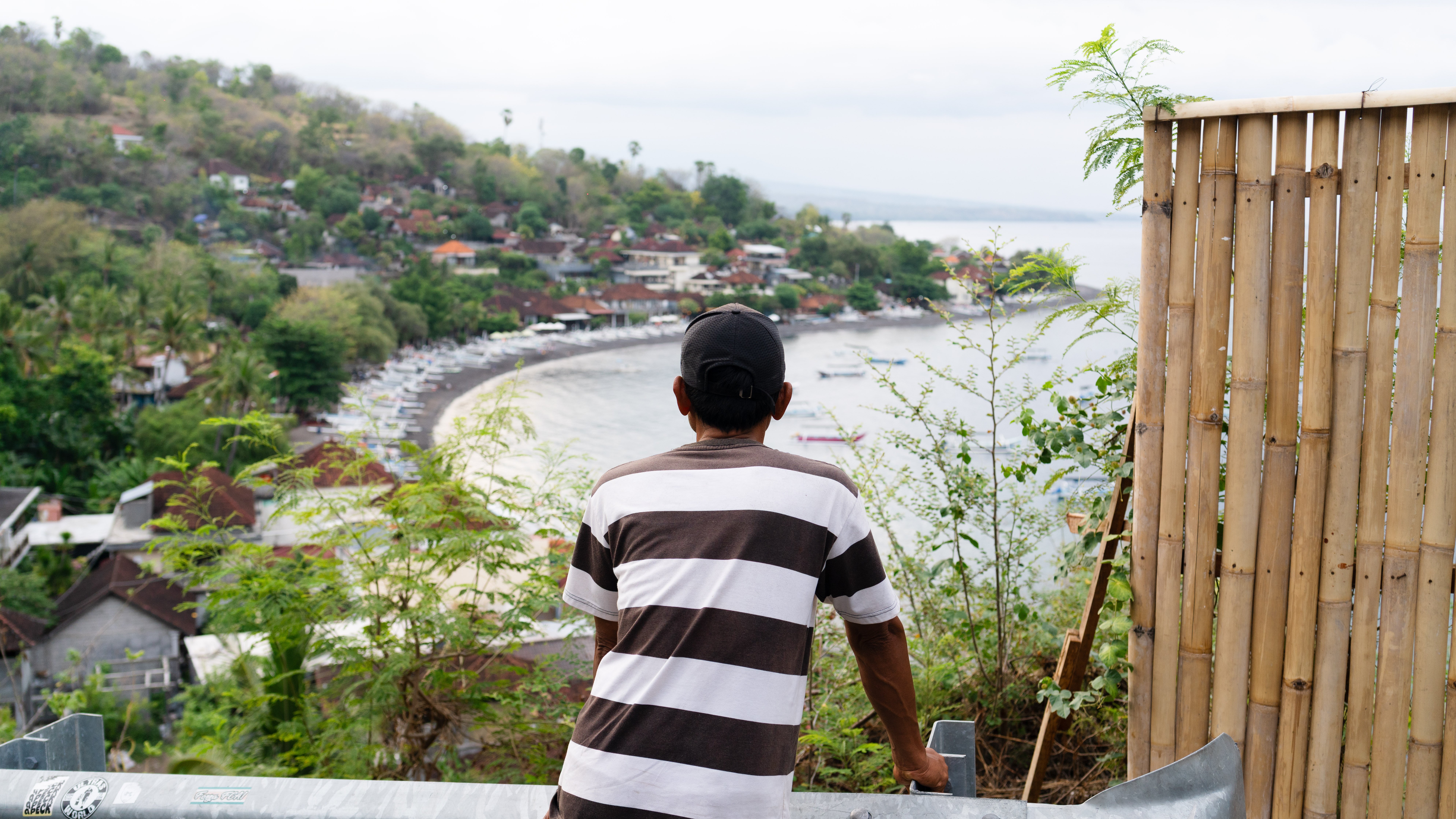
Travelling here requires patience. The infrastructure is improving but uneven. A domestic flight that should take an hour can involve a three-hour layover in a provincial airport. Roads in eastern Indonesia can be poor. Boats run late. But that is also part of the charm: Indonesia rewards the traveller who slows down, gets off the main circuit, and lets the place unfold.