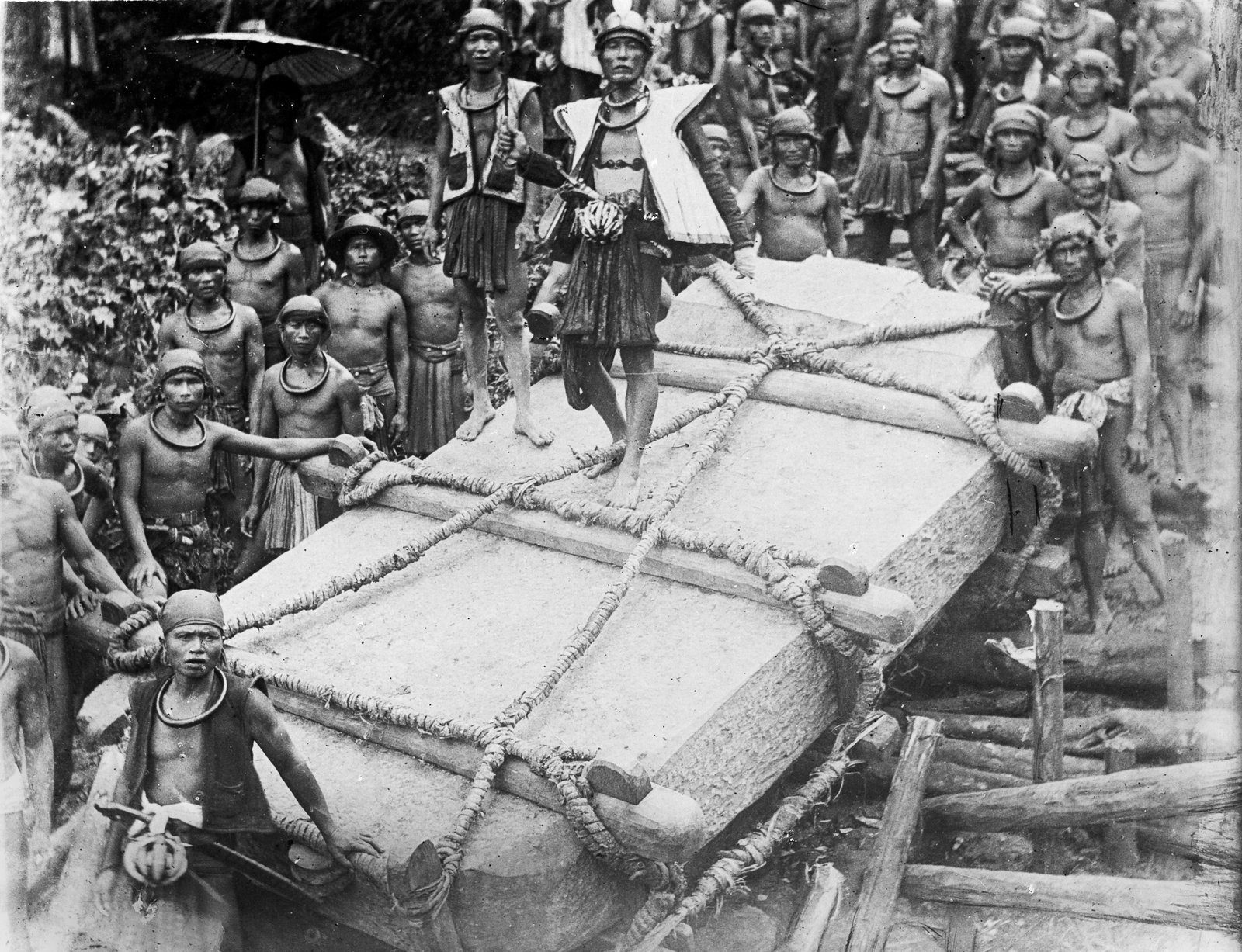
Sumatra is the westernmost of Indonesia's main islands, 1,800 km long and 400 km wide — the sixth-largest island in the world. Most of its interior is still mountainous rainforest, with active volcanoes along the Bukit Barisan spine and some of the last remaining habitat of the Sumatran tiger, rhinoceros, and orangutan. About 30% of the original primary forest survives; the rest has been converted to rubber, palm oil, and rice.
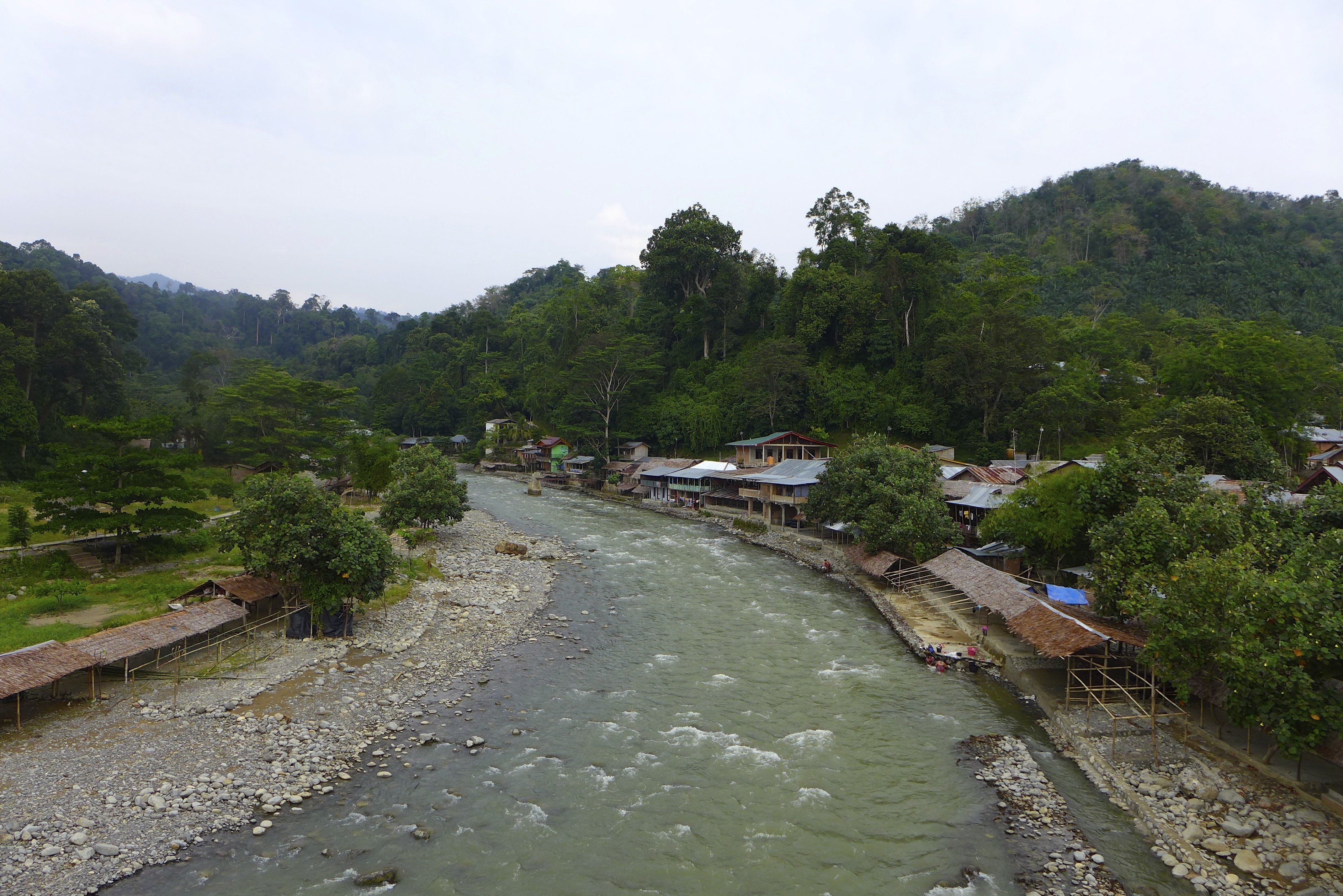
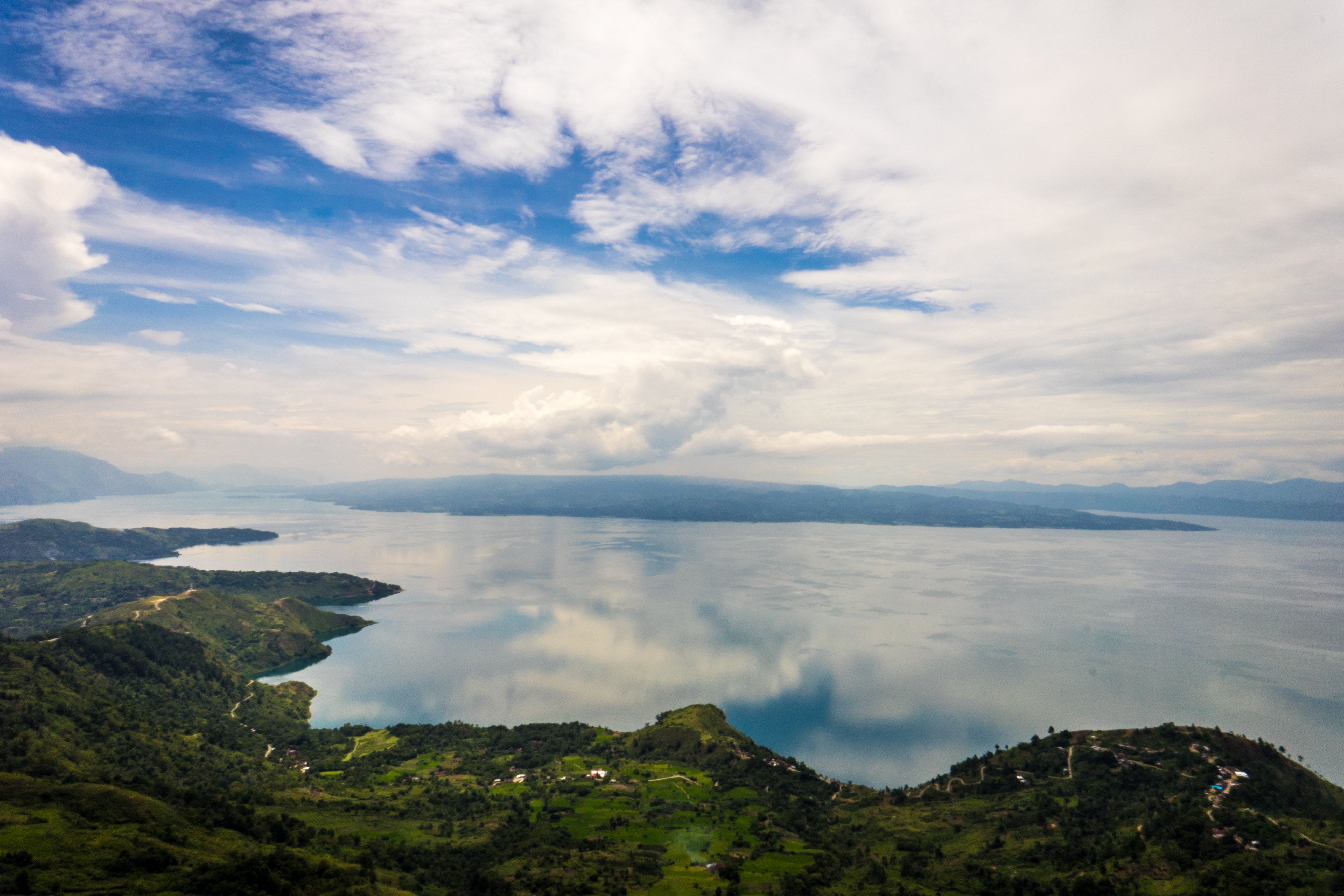
For travellers, Sumatra is a different Indonesia from Java or Bali — less developed, less visited, and in places genuinely remote. The classic overland route runs south from Medan (the main gateway, with direct flights from Singapore, Kuala Lumpur, and Jakarta) to Bukit Lawang for orangutan trekking in the Gunung Leuser National Park; continues to Lake Toba — the largest volcanic lake in the world, 100 km across, with the Batak cultural island of Samosir at its centre; then down through the highland Minangkabau country to Bukittinggi and the coastal city of Padang (home of the famous Padang cuisine). The whole trip takes two or three weeks.
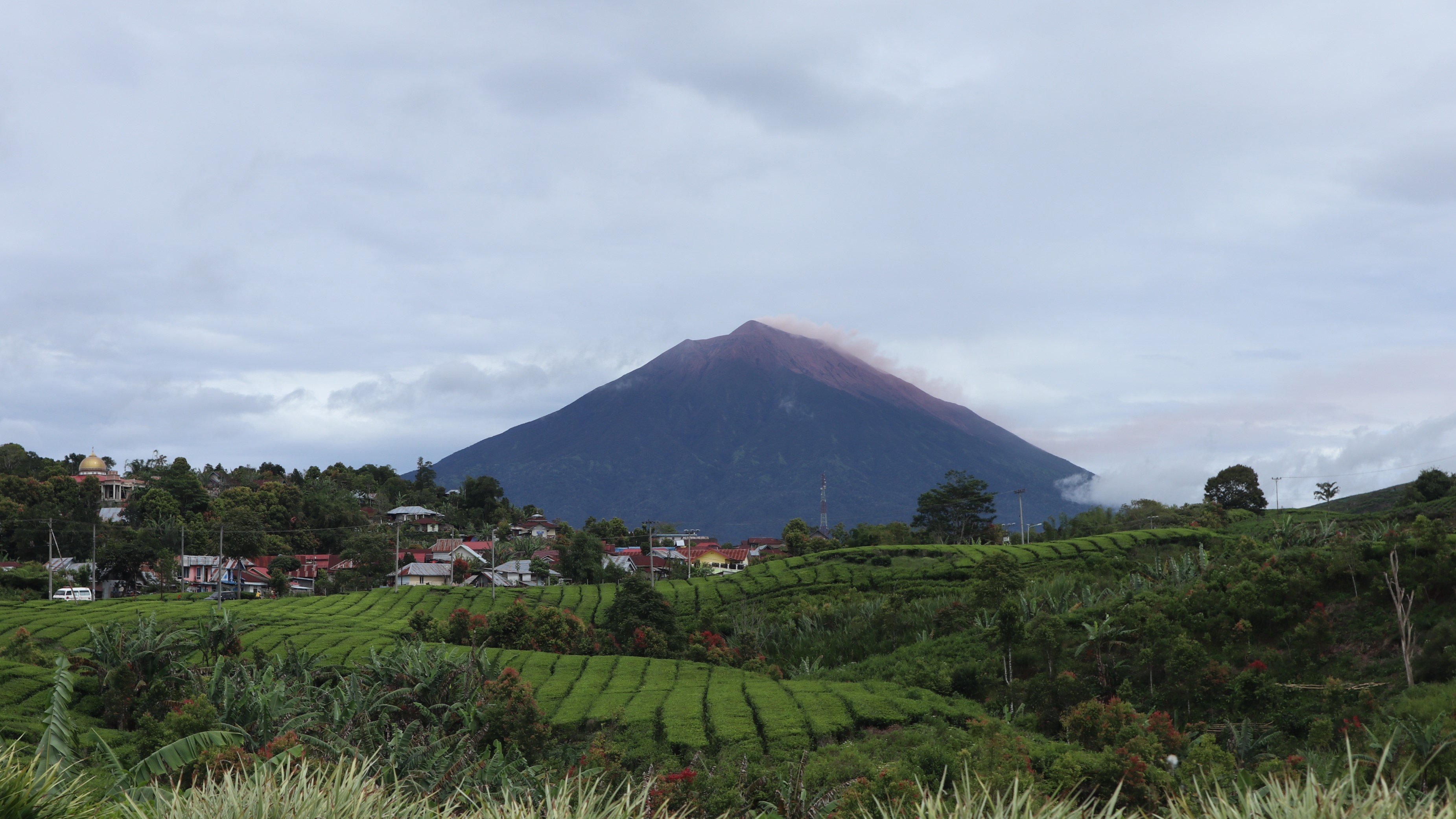
Aceh, the conservatively Muslim province at the northern tip, was closed to visitors during the independence war (1976–2005) and devastated by the 2004 tsunami. It is now open and safe but still comparatively remote; Banda Aceh is the main city. Nias island off the west coast draws surfers to its long Indian Ocean swells. Kerinci Seblat in the south is Sumatra's largest national park, with Gunung Kerinci (3,805 m) the highest volcano in Indonesia.