Kermanshah is one of the oldest cities in western Iran, set in a broad valley in the Zagros Mountains near the Iraqi border. The city itself is a sprawling provincial capital, but the real draws lie just outside it.
Taq-e Bostan, at the entrance to the city, is a series of Sassanid-era rock reliefs carved into a cliff face — hunting scenes, royal investitures, and inscriptions dating back to the 3rd century AD. About 30 kilometres east along the highway toward Tehran, the Bisotun (Behistun) complex is even more remarkable: the massive trilingual inscription of Darius the Great, carved high into a cliff, was the key to deciphering cuneiform script and is a UNESCO World Heritage Site. Below it stands a Hercules statue and several caves with evidence of human habitation going back to the Stone Age.
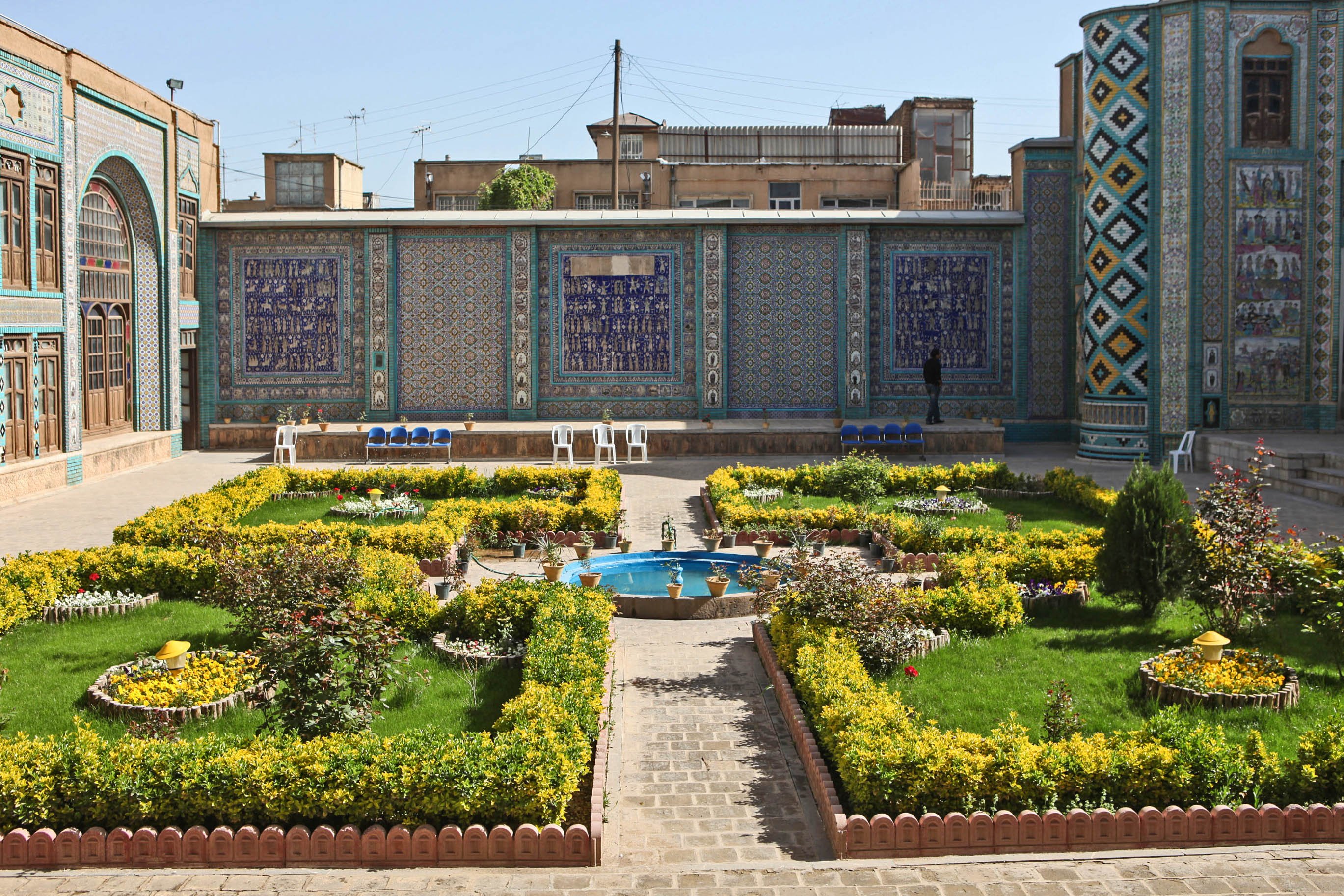
The old city has a lively bazaar and several historic mosques, including the Jame' (Chehelsotoon) Mosque. The Tekiyeh Moaven al-Molk contains some of the finest Qajar-era tilework in western Iran. Kermanshah province is also known for its Kurdish culture, beautiful mountain scenery, distinctive handicrafts, and excellent local pastries.