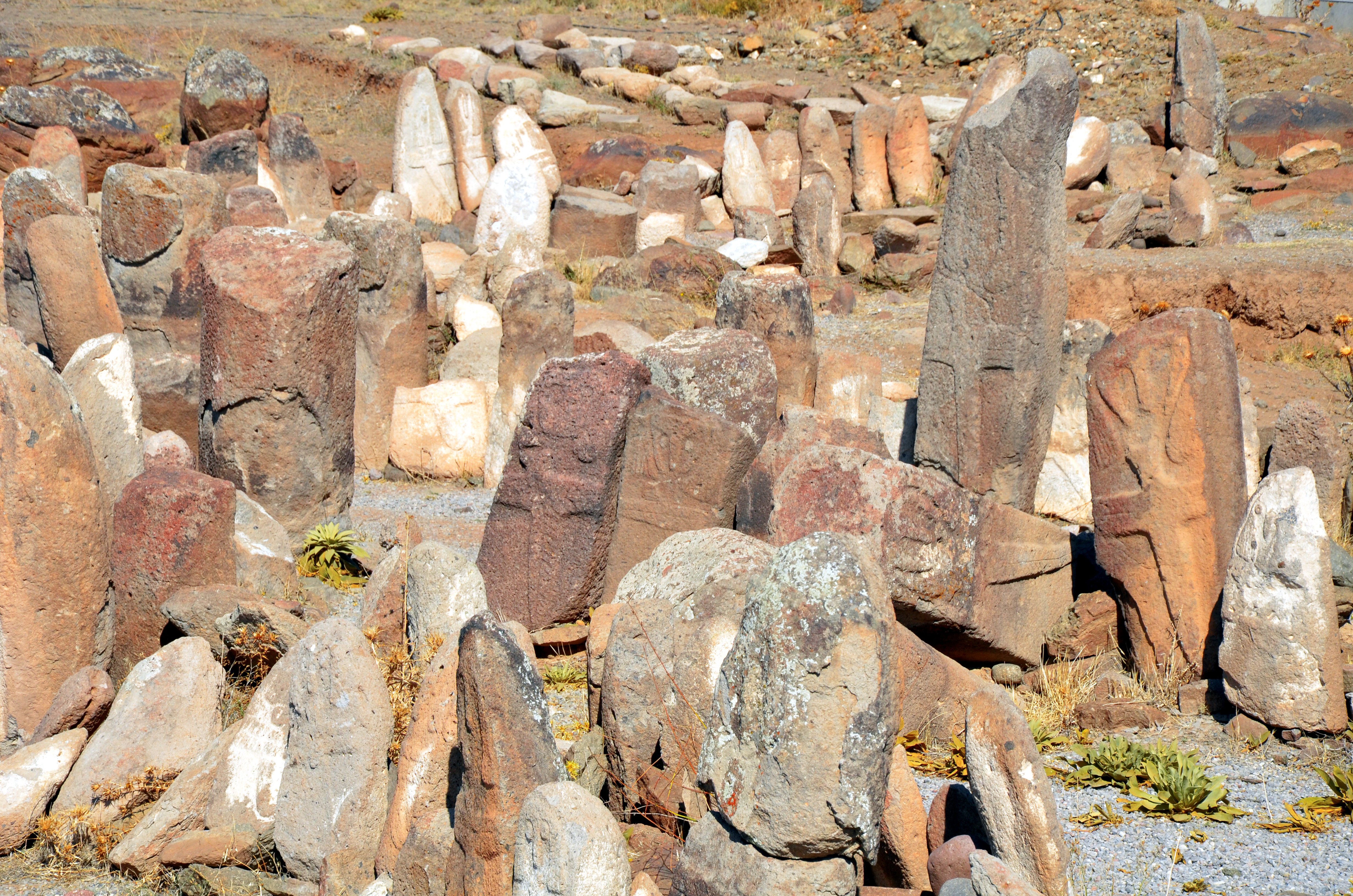
Meshkin-Shahr sits to the west of Ardebil and north of Mount Sabalan in the Iranian province of Ardabil. The climate is temperate in summer and harsh in winter; the surrounding highlands are the territory of Shahsavan pastoral nomads who migrate seasonally with their flocks between highland summer pastures and lowland winter grazing grounds.
The area has a respectable collection of historical monuments. The Castle of Arshoq and the Tomb of Shaykh Haydar — father of the founder of the Safavid dynasty — are the most notable. The slopes of Mount Sabalan hide several mineral springs — Googerdi and Qotoor Sooyee are the best known — used by locals for their therapeutic properties. The Meshginshahr suspension bridge over the Aras River gorge south of town is a popular outing for local families.
Meshkin-Shahr is not a major tourist destination, but those travelling between Ardebil and the border region will find it a pleasant stop, and the Shahsavan nomadic culture of the surrounding countryside is worth seeking out.