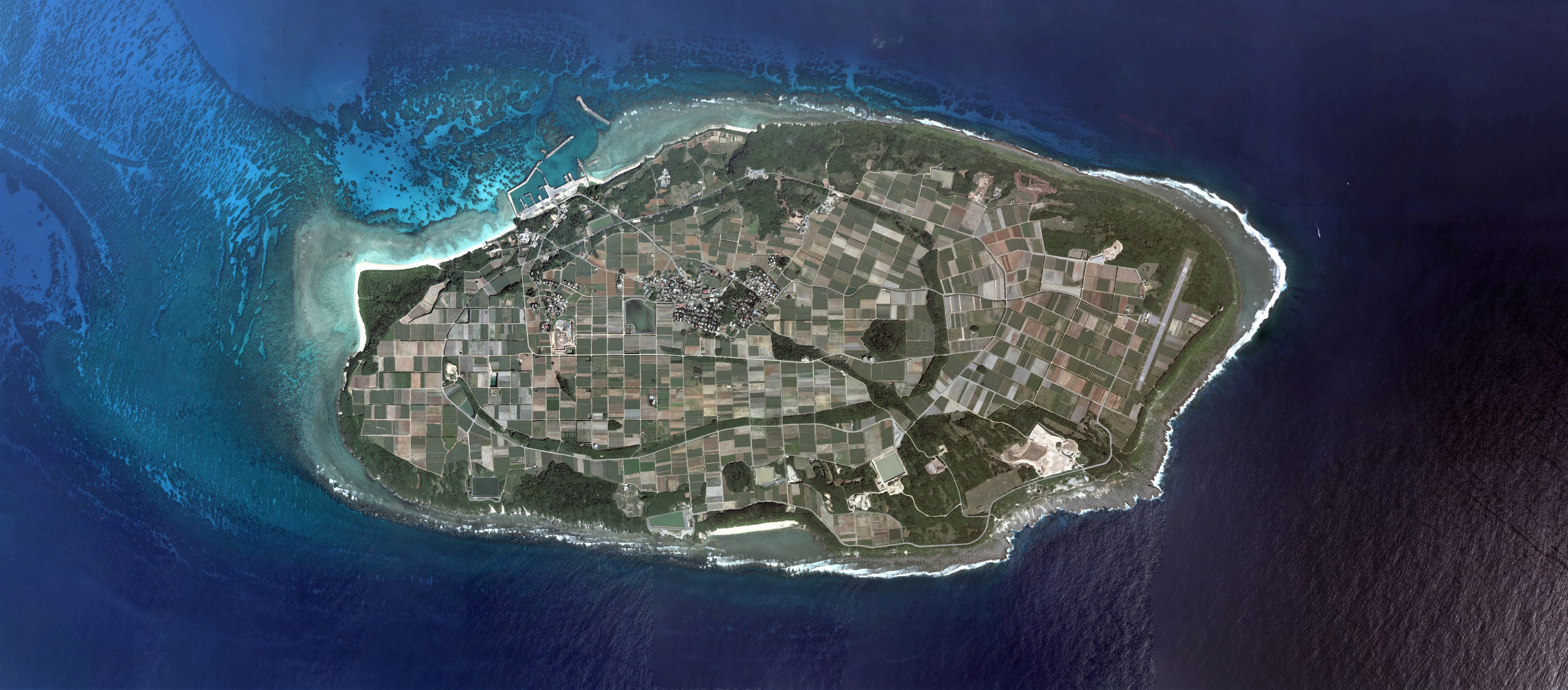
Japan’s southernmost inhabited island, known for Nishihama Beach and rare domestic views of the Southern Cross.
Hateruma is Japan's southernmost inhabited island, a tiny coral atoll in the Yaeyama chain about an hour by ferry from Ishigaki. It is well known for its views of the Southern Cross from the Southern Cross Observatory on the southern coast — one of the very few places in Japan where you can see it.
Nishihama Beach, on the north side, is considered one of the most beautiful beaches in Japan: white sand, crystal-clear water, and almost nobody around. Coral reefs extend offshore and the snorkelling is excellent without needing a boat.
The island rewards a slow pace. Rent a bicycle at the ferry port and circle the perimeter road — you pass sugarcane fields, the ancient Shimotabaru Castle ruins, and eventually reach Japan's southernmost point, a stone monument where the Pacific stretches away toward the Philippines. Stay at least one night — the stars alone are worth it.
Guide
Getting Around
Bicycles are the standard way to explore Hateruma. Rental shops operate near the ferry port and the rates are low. The island is small enough that you can cover most of it in a half-day ride: the beach, the observatory, the southern monument, and the gusuku ruins are all reachable by bicycle on the island's quiet roads.
A small number of taxis operate on the island, primarily for elderly residents. There is no bus service. Cycling around the coastal perimeter road takes around two hours at a gentle pace.
Guide
Getting There
Hateruma is reached by high-speed ferry from Ishigaki, the main hub of the Yaeyama Islands. The crossing takes about an hour on Anei Kanko's service, though seas in the Yaeyama can be rough and the crossing is sometimes cancelled. Check conditions before booking onward travel from the island.
Hateruma Airport exists but handles very limited charter and emergency flights only — for practical purposes, the ferry is the only way in and out. Day trips from Ishigaki are possible but rushed; staying at least one night is strongly recommended to experience the island properly, particularly for stargazing.
Guide
When to Go
Hateruma has a subtropical climate. The beach is swimmable from around April through October; the water is at its warmest in July and August, though the summer months also bring the risk of typhoons. Typhoons can shut down the ferry service entirely and strand visitors for several days — this is worth planning around.
For stargazing, the dry winter months from November through March are best. The Southern Cross rises highest in early spring. Winter nights can be cool by Okinawa standards (temperatures dropping to around 15°C) but rarely cold. Spring and autumn offer the best combination of pleasant weather and clear skies.