Southeast Asia's smallest and most laid-back capital sits on a bend in the Mekong, gazing across the river at Thailand. With around 800,000 people, Vientiane feels more like a large provincial town than a national capital -- and that is its charm. Tree-lined boulevards, crumbling French colonial mansions, and gilded Buddhist temples share space with rice paddies and vegetable gardens that somehow survive within the city limits.
The French left their mark in the architecture and, more usefully, in the bread. Fresh baguettes are baked daily and sold from carts on every corner. Noodle soup shops sit beside French-Lao bistros, and the riverside promenade fills with food stalls and locals at sunset.
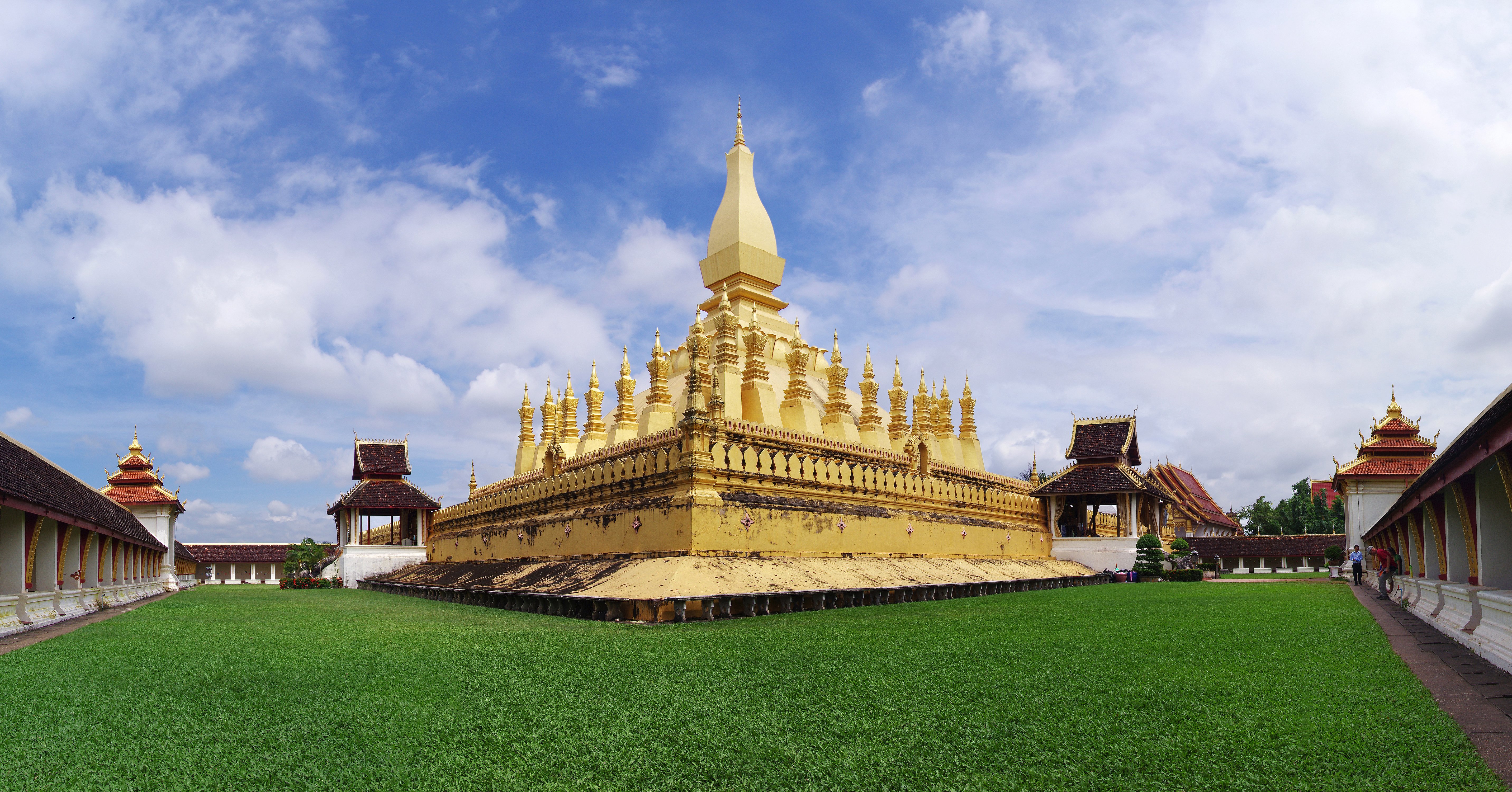
The main sights are easily covered on foot or by bicycle. Pha That Luang, the golden stupa that is the national symbol of Laos, sits north of the center. Patuxai, the victory monument, looks like a Lao interpretation of the Arc de Triomphe. Wat Ho Phra Keo, once the royal temple, now houses a fine collection of Buddhist art. Across the road, Wat Si Saket is the only major temple to survive the Siamese sack of 1828. And Buddha Park (Xieng Khuan), a surreal sculpture garden 25 kilometres south of the city, combines Buddhist and Hindu figures in bizarre and wonderful ways.
No visit is complete without a stop at the COPE Visitor Centre, which tells the story of unexploded American ordnance still scattered across the country, and the Lao National Museum, which tells the same war from the Pathet Lao side. The Mekong riverside at dusk is the best place to end the day.
Vientiane is also the base for day trips to the Nam Ngum reservoir, the ancient site of Vang Xang, and the limestone landscapes of the Hinboun area. The Laos-China Railway station at Khamsavath, about 15 kilometres from the city center, connects Vientiane to Vang Vieng and Luang Prabang.