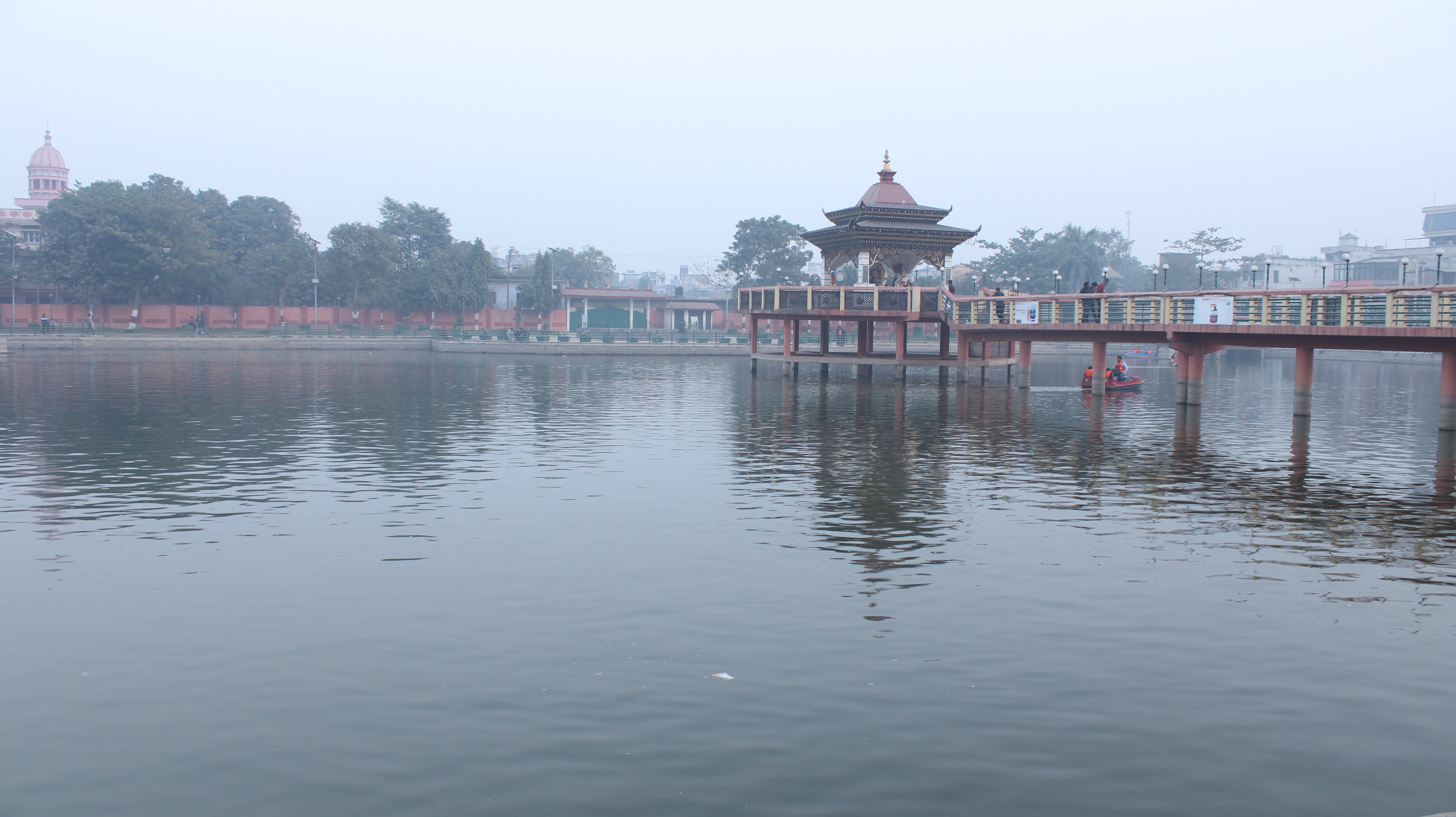
Birgunj
©
Birgunj

Birgunj

Terai border city and Nepal's main trade gateway to India, paired with Raxaul across the frontier.

Birgunj is the main border crossing point between Nepal and India, a busy trade and transit city paired with Raxaul on the Indian side. Most travellers pass through rather than stay — but if you are crossing late in the day, you may need to spend a night, and the town is perfectly functional for that purpose. It sits in the Terai lowlands at the base of the Siwalik Hills, flat and humid in a way that surprises visitors accustomed to mountain Nepal.

The crossing is the busiest overland route between the two countries. The area around the main road north of the border has money changers, bus ticket offices, and restaurants. The town's commercial core extends a few kilometres north from the border gate. Nepal's first inland dry port (customs clearance facility) operates here, reflecting Birgunj's role as the country's primary trade gateway — most of Nepal's imports from India pass through this crossing.

Guide

Eating Out

Dining options in Birgunj are limited but functional. Brindavans is a popular vegetarian restaurant with friendly staff and good food. The hotel restaurants — particularly at the Vishuwa and Heera Plaza — are reliable options for a meal. Street food stalls near the bus park and clock tower area serve Nepali and Indian staples: dal bhat, momos, samosas, and chai.

Guide

Getting There

The border crossing at Birgunj/Raxaul is the most heavily used overland route between Nepal and India, open to foreign nationals. Immigration offices on both sides of the border handle visas on arrival — bring passport photos and USD cash for the Nepal visa fee. The crossing is open during daylight hours; crossing late in the evening can be problematic as offices close, so plan to arrive with time to spare.

From Kathmandu by bus: Tourist buses and local buses run regularly to Birgunj from Kathmandu's Kalanki or Gongabu bus terminals — journey time is around 5–6 hours on the Tribhuvan Highway through the Terai. Night buses are available and commonly used.

From Raxaul (Indian side): Raxaul has a railway station with connections to Patna and beyond. Cycle rickshaws ferry people between the Indian and Nepali immigration posts — the actual border gate is a short distance apart. Money changers on both sides offer exchange, though rates vary; Indian rupees are widely accepted in Birgunj itself.

Onward from Birgunj: Buses depart from the main bus park north of the border for Kathmandu, Pokhara, and other Nepali destinations. Book tickets and arrange transport before crossing so you are not negotiating logistics while managing luggage and paperwork at the border.