Lumbini is the birthplace of Siddhartha Gautama — the Buddha — and one of the most sacred sites in the Buddhist world. It lies in the flat Terai lowlands of southern Nepal, near the border with India, in what was once a garden between the ancient kingdoms of Kapilavastu and Devadaha.
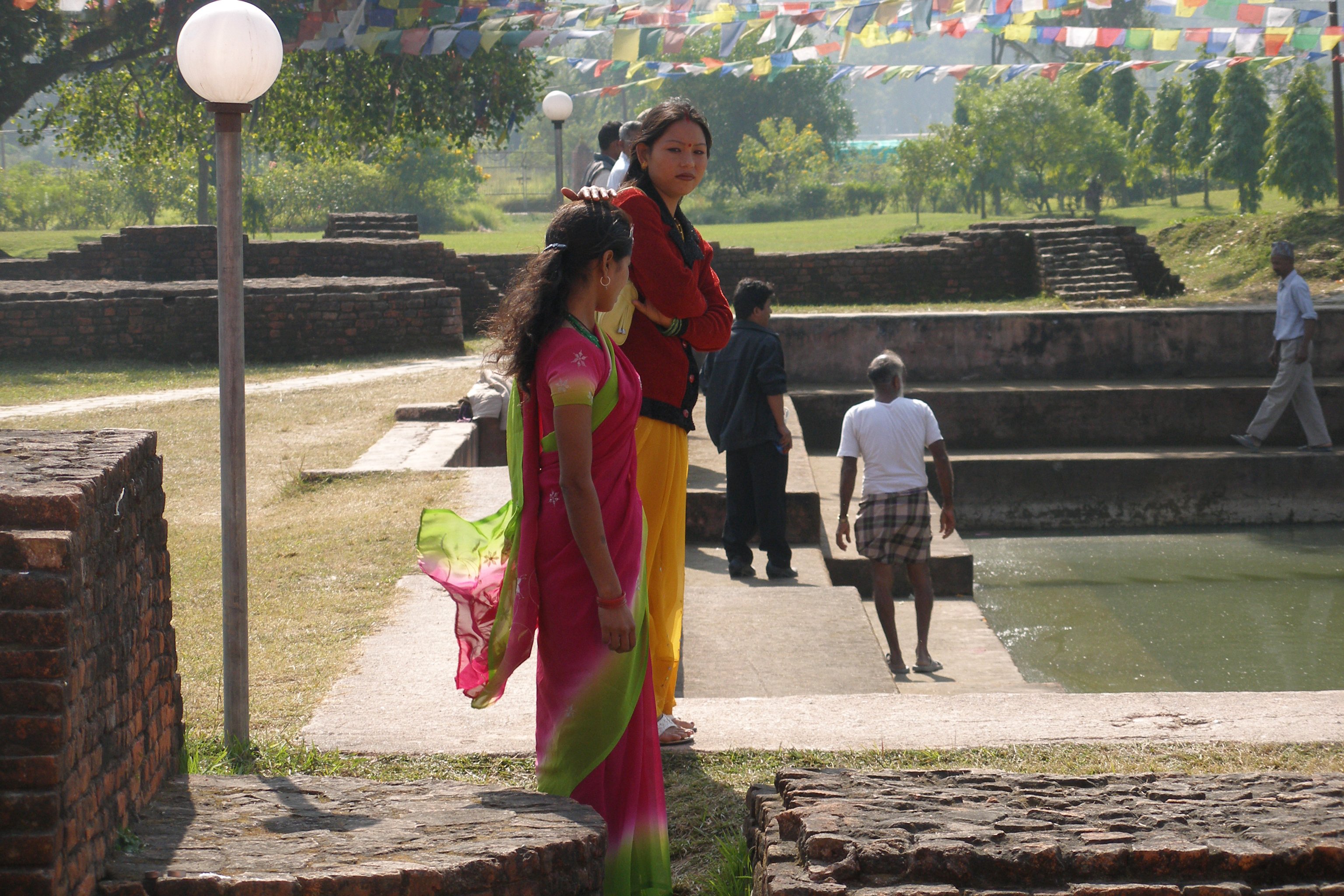
According to tradition, Queen Mayadevi was traveling to her maternal home to give birth when she stopped to rest in this garden and delivered her son beneath a sal tree. The Puskarini pond nearby, where mother and child took their first bath, has been restored and still exists. After the Buddha attained enlightenment and his teachings spread across Asia, Lumbini became a place of pilgrimage. Stupas and shrines were built here for centuries, and in 249 BC, the Indian emperor Ashoka made a famous visit and erected a stone pillar inscribed with his proclamation — still standing today, it is the oldest surviving evidence that this is indeed the place.
Buddhism was eventually wiped out in its land of origin, and Lumbini fell into obscurity for centuries. Its rediscovery began only in the second half of the 20th century, when excavations guided by the travel diary of the 7th-century Chinese pilgrim Xuanzang uncovered the marker stone, devotional stupas, and the Puskarini pond near the Ashokan pillar.
Today Lumbini has been developed across 12 square kilometers under the Lumbini Development Trust's master plan. The site is divided into three zones: the Sacred Garden, which contains the Mayadevi Temple housing the exact birth spot; the Monastic Zone, where Buddhist communities from around the world have built or are building monasteries in their own national styles; and the Tourism Village, with hotels, restaurants, and visitor facilities. The contrast between the ancient sacred core and the new international monasteries lining the central canal is striking — walking the zone, you pass Thai temples, Japanese pagodas, Chinese monasteries, and Tibetan stupas within a short distance of each other.