Las Pinas City
©
Las Pinas City

Las Pinas City

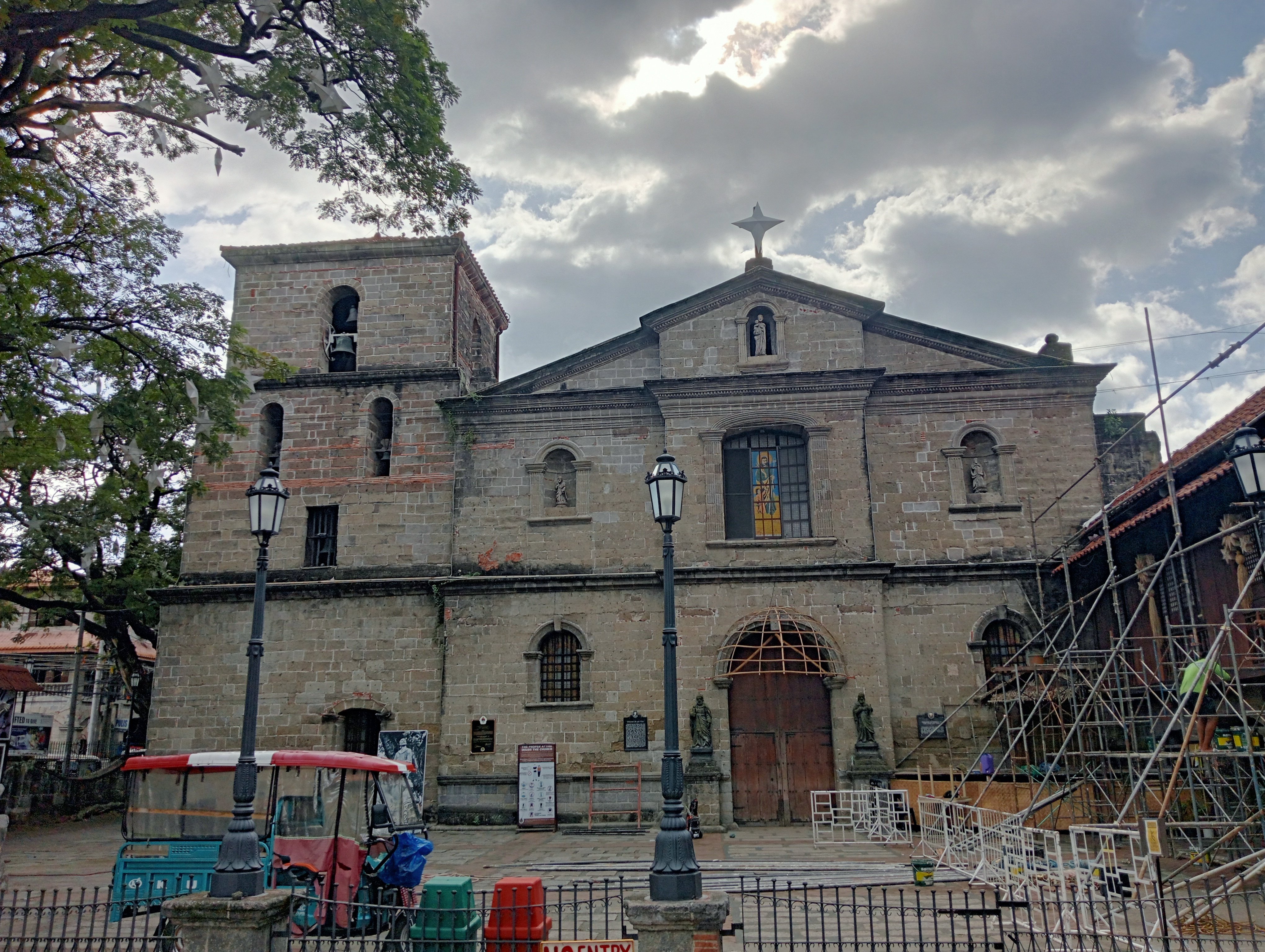
Las Piñas is a southern Metro Manila city known for Saint Joseph’s Church bamboo organ.

Las Piñas is a city of about 600,000 people on the southern edge of Metro Manila, separated from the capital's airport by the city of Parañaque. It is best known outside the Philippines for a single extraordinary object: the Bamboo Organ in Saint Joseph's Church, built by a Spanish friar in the 1820s and the only large pipe organ in the world with bamboo pipes. The organ draws international organists each February for the annual Bamboo Organ Festival.

Beyond the church, Las Piñas is a largely residential city that has retained pockets of older character amid the Metro Manila sprawl. The Zapote Bridge is a historic stone bridge associated with the Philippine Revolution, and the Las Piñas–Parañaque Wetland Park is a surprising patch of coastal mangroves and mudflats on the Manila Bay coast that serves as a critical habitat for migratory birds. The Sarao Jeepney Factory is the original manufacturer of the iconic Filipino jeepney and offers a glimpse into one of the country's most distinctive cultural industries.

Las Piñas is easily reached from central Manila by LRT Line 1 to the Dr. Santos station, or by jeepney and bus along the major roads. Most visitors come as a half-day trip from Manila.

Guide

Beaches near Las Piñas City

Las Piñas does not have accessible swimming beaches — its Manila Bay shoreline is largely industrial and the coast is occupied by the Las Piñas–Parañaque Wetland Park, a conservation area. Manila Bay water quality makes swimming inadvisable anywhere along this shore.

For genuine beach days, most residents head south. Nasugbu in Batangas province has several beach resorts accessible in under two hours. Tagaytay, while not a beach destination, is a cooler highland retreat about an hour to the southwest.

Guide

Eating Out

Las Piñas's eating options are typical of Metro Manila's southern cities — a mix of Filipino home cooking restaurants, fast-food chains, and the inevitable mall food courts. There is no specific Las Piñas cuisine, but Filipino food is generally good value and the city has plenty of neighbourhood eateries serving the full range of national dishes: adobo, sinigang, kare-kare, and lechon.

The SM City Southmall on the Alabang–Zapote Road has the widest concentration of restaurants for visitors in one place, from Filipino chains like Jollibee and Max's Restaurant to Chinese dim sum and fast food. The BF Resort Village area, a planned residential district in the eastern part of the city, has a cluster of more neighbourhood-oriented restaurants and cafes.

For a genuinely local experience, the Las Piñas Public Market has cooked food stalls alongside the wet market, serving cheap Filipino plates at breakfast and lunch. Turo-turo (point-point) canteens — where you point at the dishes you want — are the most affordable and authentic way to eat in this part of Manila.

Guide

Getting Around

Within Las Piñas, the main transport options are jeepney, tricycle, and Grab (the dominant ride-share app in the Philippines). Jeepneys cover the main roads and are the cheapest way to get between areas, but routes can be confusing for first-time visitors. Tricycles (motorcycle sidecars) serve shorter distances and are good for getting from a main road to specific destinations like the church or the wetland park.

For most sights within Las Piñas — the Bamboo Organ and Saint Joseph's Church, the Sarao Jeepney Factory, and the Wetland Park — Grab is the most straightforward option for visitors. Fares within the city are modest.

The LRT Line 1 runs along the eastern edge of the city with a stop at Dr. Santos, useful for reaching the Bamboo Organ area and for connections to central Manila and beyond.

Guide

Getting There

Las Piñas is part of Metro Manila and is easily reached from central Manila. The most convenient option for most visitors is LRT Line 1 (the old yellow line), which has a station at Dr. Santos in Las Piñas — a short walk or tricycle ride from Saint Joseph's Church and the Bamboo Organ. The LRT connects Las Piñas to central Manila stations including Baclaran, Vito Cruz, and beyond.

By road, Las Piñas is accessible via the Alabang–Zapote Road and the Las Piñas–Cavite Expressway (CALAX) for drivers coming from the south. Traffic on all routes into Metro Manila can be severe; the LRT is generally faster and more reliable for access to the main sights.

Jeepneys and buses also connect Las Piñas to Paranaque, Muntinlupa, and other parts of Metro Manila. Ride-share services (Grab) operate throughout the area and are reliable for getting between locations within Las Piñas itself.

International visitors arrive at Ninoy Aquino International Airport in Paranaque, adjacent to Las Piñas. The airport is a 20–40 minute drive from the Bamboo Organ depending on traffic.

Guide

Things to Do in Las Piñas City

The Bamboo Organ in Saint Joseph's Church is the reason most visitors come to Las Piñas — a unique 19th-century pipe organ with bamboo pipes, still played at Sunday masses and during the annual Bamboo Organ International Music Festival in February. The church complex is walkable from the Dr. Santos LRT station.

The Las Piñas–Parañaque Wetland Park on the Manila Bay coast is an unexpected green space — 175 hectares of mangroves and mudflats that shelter over 80 species of birds, including rare migratory visitors. Early morning is the best time for birdwatching.

The Sarao Jeepney Factory offers an informal tour of the workshop where classic Filipino jeepneys are still handbuilt and painted. The Zapote Bridge, a historic stone crossing associated with the Philippine Revolution, is worth a short detour for those interested in Filipino history.

Guide

When to Go

Las Piñas has a tropical climate, and the most important factor in timing a visit is the monsoon. The dry season runs from December through April, with December to February being the most pleasant months — warm but not oppressive, and low chance of rain. March and April are hot (35°C+) and humid before the rains break.

The wet season (June to November) brings heavy rain and the risk of typhoons, which can disrupt travel across the Metro Manila area. September and October are statistically the worst months for typhoon activity.

The single best reason to time a visit to Las Piñas specifically is the Bamboo Organ International Music Festival, held each February. A week of concerts by international organists, both in Saint Joseph's Church and in other venues, it is the event for which Las Piñas is known internationally. Advance planning is needed as accommodation in the Metro Manila area fills during festival week.