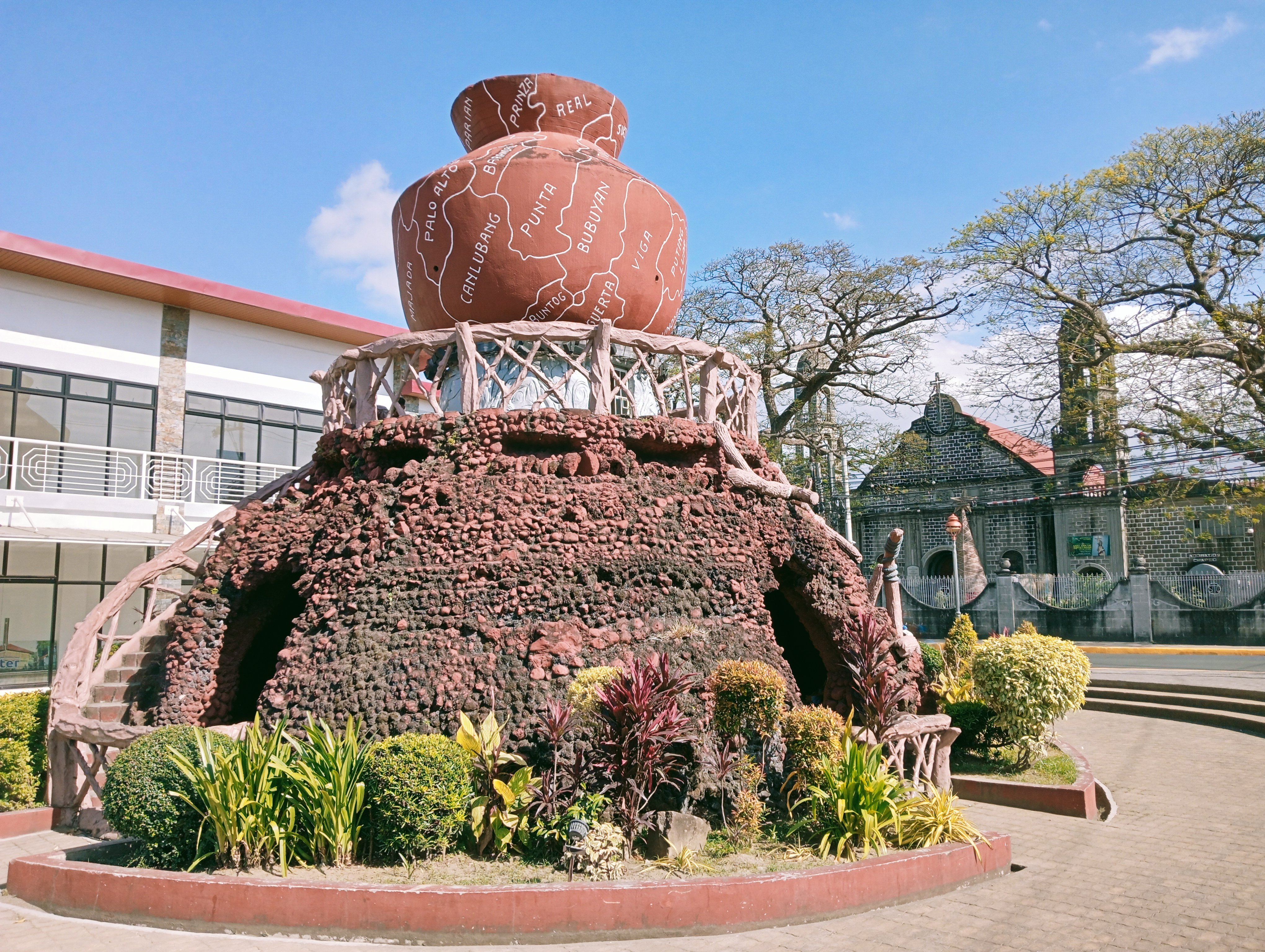
Laguna city tied to José Rizal's birthplace, with a shrine reconstructing his family home.
Calamba is best known as the birthplace of Jose Rizal, the national hero of the Philippines. The Rizal Shrine, a reconstructed version of the house where he was born in 1861, sits in the town center and is a genuinely worthwhile stop. The museum inside holds original manuscripts, personal effects, and family photographs that bring Rizal's story to life in ways that Manila's larger monuments do not quite manage.
Beyond the Rizal connection, Calamba's main draw is its hot springs. The city sits at the foot of Mount Makiling, and the geothermal activity in the area feeds dozens of resorts ranging from simple concrete pools to elaborate water parks. The springs along the national highway in Pansol are the most accessible, and you can rent a private pool by the hour for very little money. The water temperature varies from pleasantly warm to genuinely scalding, so test before you leap.
Calamba also serves as a gateway to Los Banos, home to the University of the Philippines campus and the International Rice Research Institute, and to the hiking trails on Mount Makiling itself. The local food scene benefits from the Laguna tradition of buko pie (coconut pie) and espasol (rice flour treats), both sold at roadside stalls along the highway.
Guide
Eating Out
Calamba's food is firmly in the Laguna tradition, which means buko pie and espasol above all. Buko pie — a flaky pastry shell filled with young coconut meat in a sweet milky custard — is sold along the national highway by half a dozen long-established bakeries, of which Lety's and The Original Buko Pie are the best known. Try a fresh one warm from the oven and you will understand why the queue moves slowly.
Espasol is a soft, mildly sweet cylinder of glutinous rice flour and coconut, rolled in toasted rice flour and sold in bamboo wrappers. Find it at roadside stalls and supermarkets all along the Pansol strip.
In central Calamba, look for bulalo (bone-marrow beef soup, a Laguna staple), pancit Calamba (a local noodle variant — see if you can find it on a turo-turo menu), and grilled freshwater tilapia from nearby Laguna de Bay. Most of the better sit-down restaurants are in the malls on the highway rather than the old centre.
Guide
Getting There
Calamba is about 55 kilometres south of Manila and is the southern terminus of the South Luzon Expressway (SLEX). By car or grab the drive takes anywhere from an hour to three, depending on Manila traffic. Off-peak it is genuinely quick; rush-hour traffic on EDSA can swallow your morning.
By bus, DLTB, Jam Liner, and HM Transport all run frequent services from Manila terminals (Cubao, Buendia, PITX) to Calamba's central bus terminal. Fares run around PHP 80–120; allow 90 minutes to two hours.
The Philippine National Railways South Main Line stops at Calamba station, but service is intermittent — check current schedules before you rely on it. The under-construction North–South Commuter Railway, due to open later this decade, will eventually make rail the obvious choice for the Manila run.