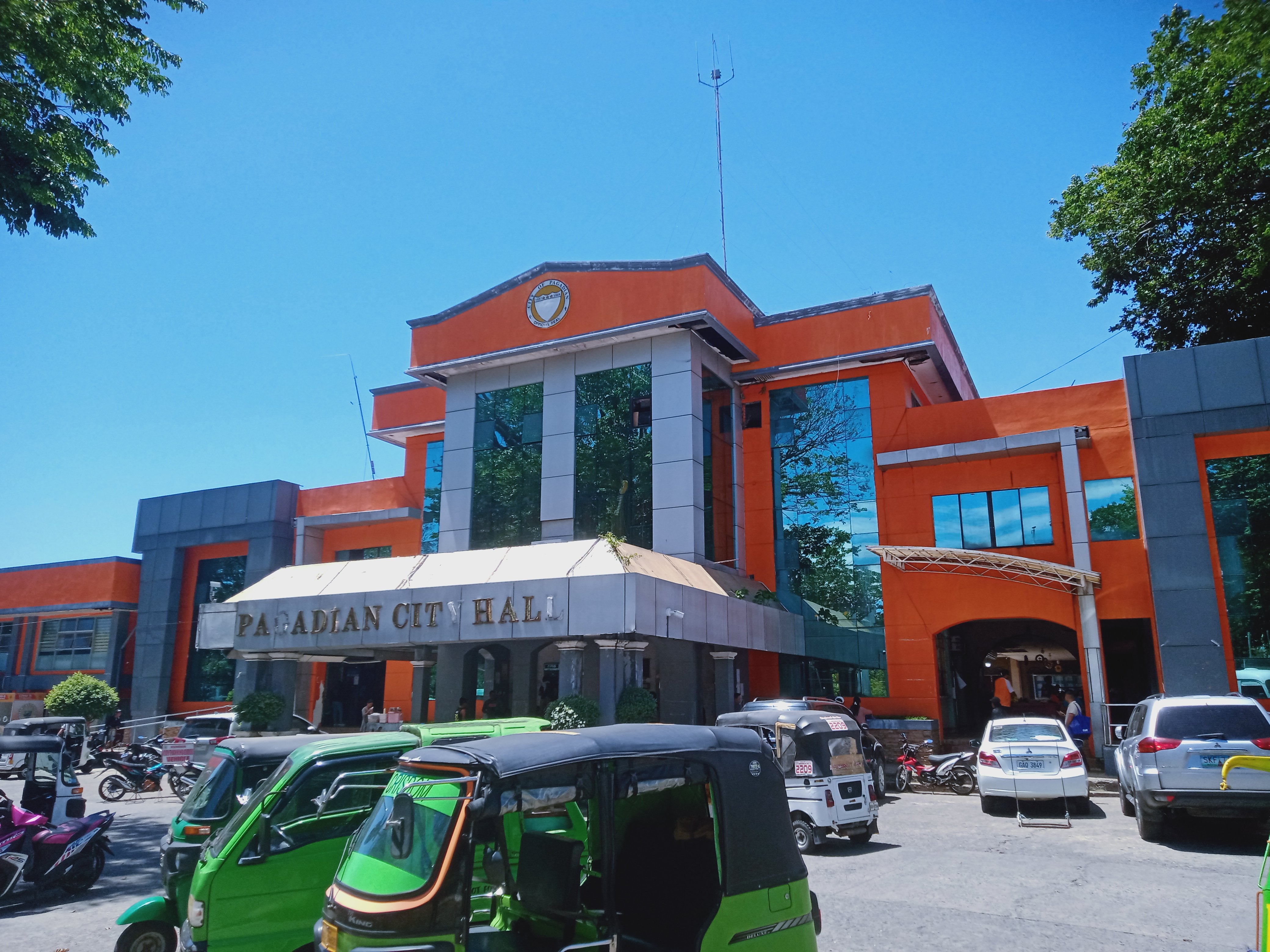
Mindanao provincial capital on Illana Bay, known for steep streets and angled local tricycles.
Pagadian is the capital of Zamboanga del Sur province on the western coast of Mindanao. It sits on the shore of Illana Bay, backed by rolling hills, and serves as the commercial hub for the surrounding agricultural region. The city is known for its steeply inclined streets — some so steep that the local tricycles have been specially modified, earning them the nickname "the smallest taxi in the world."
The waterfront is the heart of daily life. The public market is a lively place to sample local produce, and the fish port brings in fresh catch from the bay each morning. The Rotonda and Plaza Luz on the bay front are where the city gathers in the evening; the cathedral on the hill above gives the best view across the bay.
Nearby Dao Dao Islands and Pulacan Falls make easy half-day trips. Pagadian is a practical base for exploring this less-visited corner of Mindanao, though it rewards a slower pace — the appeal is in the everyday rhythm of a provincial Filipino city rather than any single landmark.
Guide
Eating Out
Pagadian cooks Cebuano-Filipino food with a coastal slant — grilled tuna belly, kinilaw (raw fish cured in vinegar and calamansi), and sinigang na isda (sour fish soup) are everywhere. The cheapest and best meals are at the carinderia stalls in and around the public market. For a sit-down dinner, head to the strip of restaurants along Rizal Avenue and around the rotonda, where mid-range Filipino chains share space with local seafood houses.
Don't leave without trying kakanin — sticky rice cakes wrapped in banana leaves — sold at little stands on every corner in the morning. Suman and puto are reliable picks, and a cup of strong sweet coffee from the same stall goes well with them.
Guide
Getting Around
Tricycles are the main way to get around — the famously tilted sidecars are designed to cope with the city's steep streets. Fares within the centre are minimal; anything outside the centre, agree the price before you set off. Jeepneys run fixed routes from the bay area out to surrounding barangays. Habal-habal (motorcycle taxis) are common for short hops and for getting up the steeper hills.
The city centre is small enough to walk if you don't mind a slope. For day trips to Pulacan Falls or further afield, hire a tricycle for the round trip and ask the driver to wait.
Guide
Getting There
Pagadian Airport (PAG) sits about ten kilometres east of the city centre and has daily flights to Manila and Cebu — a short tricycle or jeepney ride into town. Most travellers connect through Manila or Cebu.
By bus, Pagadian is well connected to other Mindanao cities. Rural Transit and Yellow Bus Line run routes to Zamboanga City (around six hours), Cagayan de Oro (eight to nine hours), Dipolog, and Iligan. The bus terminal is east of the centre. Overland from Manila is possible by RORO bus-and-ferry, but slow — most people fly.