Borongan
©
Borongan

Borongan

Eastern Samar capital on the Pacific coast, with grey-sand beaches and access to rugged interior caves.

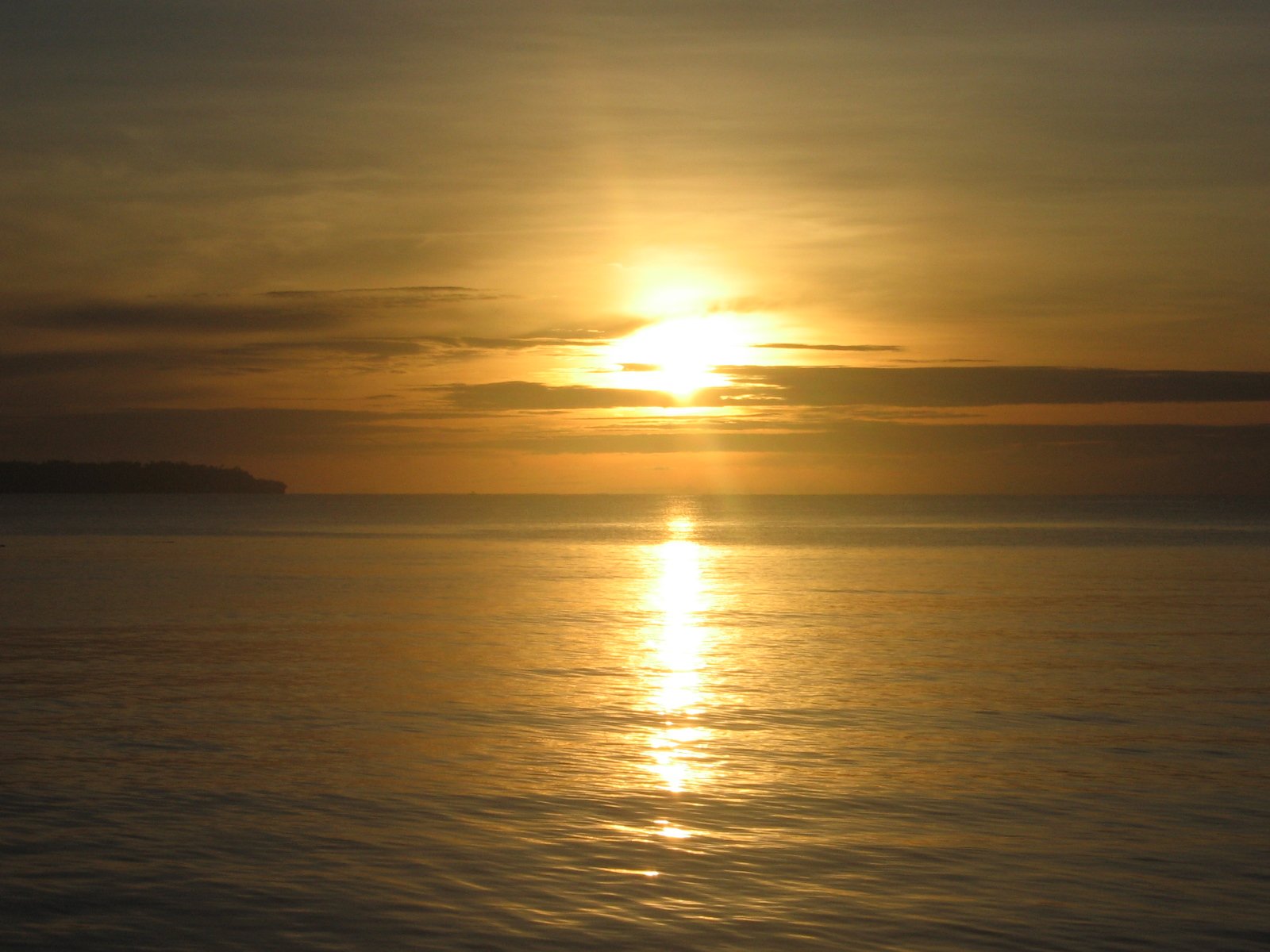
The capital of Eastern Samar, Borongan is a small, unhurried city on the Pacific coast. Cabong Beach has calm waters and fine grey sand ideal for swimming, while Rawis has several beach resorts including Pebbles and Sand and Pirate's Cove. The eastern coastline faces open ocean swells, making the area increasingly popular with surfers looking for uncrowded waves.

Borongan is a good base for exploring Eastern Samar's rugged interior of caves, waterfalls, and rock formations. Borongan Cathedral dominates the town plaza — a Spanish colonial-era stone church that is the spiritual heart of the largely Catholic city. The wet season runs from November to January, with drier weather from March to September.

Guide

Getting There

Borongan has its own airport — Borongan Airport — with irregular domestic flights from Manila and Cebu, but services are infrequent and often cancelled. Most travellers arrive overland.

The most common route from Manila is by bus or van to the ferry port at Matnog (Sorsogon Province), cross to Allen on northern Samar by RoRo ferry, then take a bus south along the east coast of the island. The journey from Manila takes approximately 18–24 hours depending on connections. From Tacloban (the capital of Leyte, accessible by air from Manila) there is a more straightforward bus connection through southern Samar — roughly 4–5 hours on roads that are sometimes challenging.

Travel within Eastern Samar relies mainly on jeepneys and multicabs. Roads have improved in recent years but the terrain is mountainous and journeys take longer than the distances suggest.

Guide

Things to Do

Borongan's setting on the Pacific coast defines what there is to do here. Cabong Beach has fine grey sand and calm enough water for swimming most of the year, while Rawis Beach a few kilometres away has a cluster of small resorts and bungalows. For surfers, the open Pacific coast north and south of Borongan offers consistent swells and almost no crowds — a genuine alternative to the overcrowded breaks of Siargao and Bohol.

Eastern Samar's interior holds a number of natural attractions reachable from Borongan. Borongan Cathedral, the city's main church, is the seat of the Diocese of Borongan and dominates the town plaza with its old stone construction. The rural barangays around town have waterfalls and cave systems used by local guides, though you will need a local contact to find the best of them.

Guide

When to Go

Eastern Samar faces the open Pacific and is one of the most typhoon-exposed areas of the Philippines. The wet season runs from November to January, when the coast can get extremely strong winds and heavy rain. Typhoon Haiyan (known in the Philippines as Yolanda), the most powerful tropical cyclone ever recorded at landfall, struck Eastern Samar in November 2013 with catastrophic effect.

The dry season from March to September is the best time to visit. March to May is the peak dry period with calm seas, warm water, and reliable beach weather. The surfers who have discovered the area tend to prefer the shoulder months when there are still consistent swells but the weather is more manageable.

The best time for diving and snorkelling is March to June, when visibility is good and the water is calm.