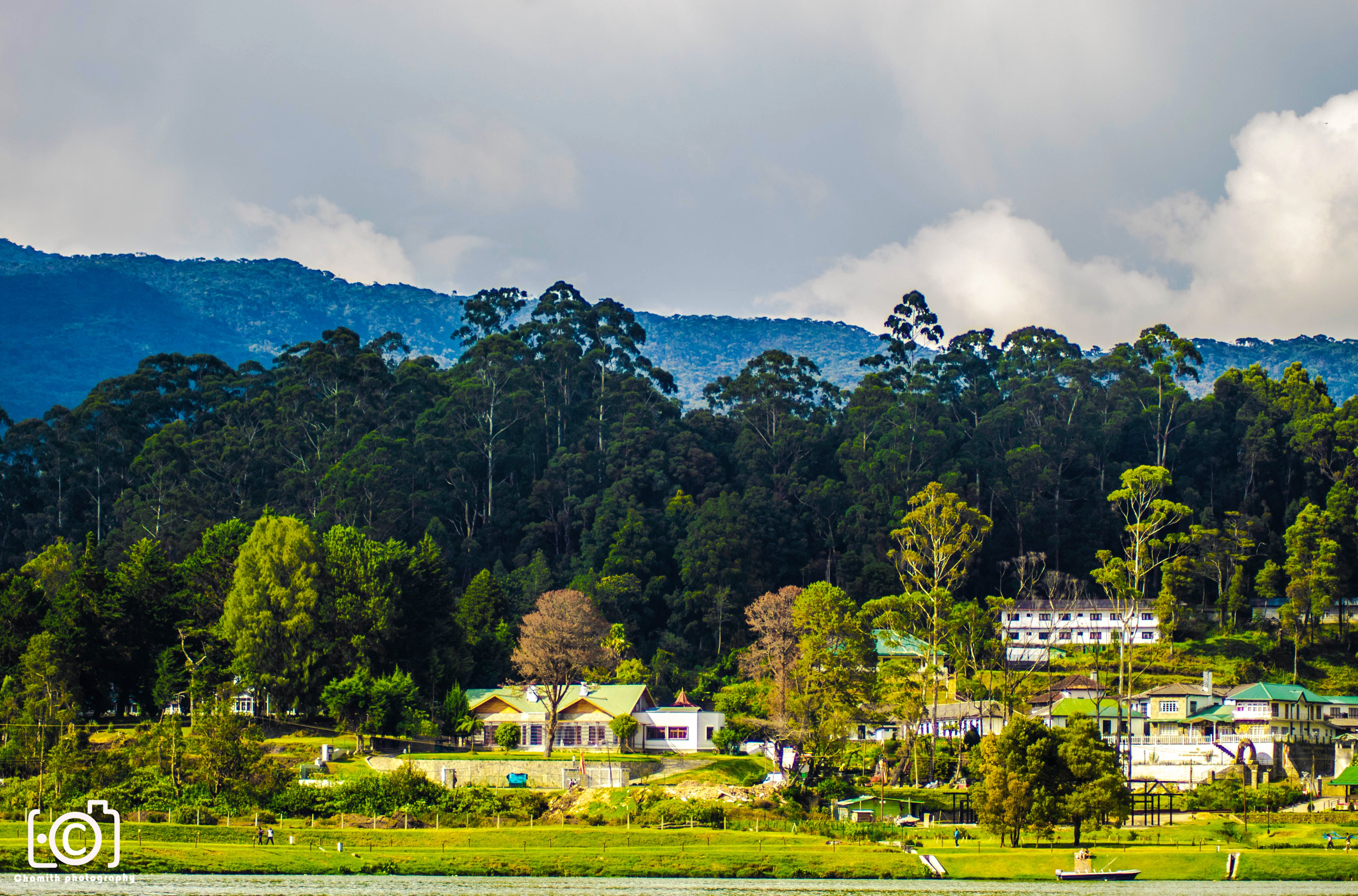
Nuwara Eliya sits at nearly 1,900 metres in the central highlands of Sri Lanka, and it is cold. Not cold by Himalayan standards, but cold enough to need a sweater at night, cold enough for log fires in the old colonial hotels, cold enough to explain why the British built a little England here in the middle of a tropical island. They came for the climate, planted tea, built a racecourse and a golf club, and left behind a townscape of mock-Tudor buildings and Victorian post offices that sits incongruously among the rolling green hills of the tea country.
The tea estates are the reason most people come. The hillsides around Nuwara Eliya grow some of Sri Lanka's finest teas — the cool temperatures and high altitude produce a light, fragrant cup that is quite different from the fuller-bodied teas of the lower elevations. You can visit several factories in the area and watch the withering, rolling, fermenting, and drying that turns the leaf into the finished product. The Pedro Tea Estate is the closest and most accessible.
The town itself has a pleasantly surreal quality — a Victorian English resort dropped into the Sri Lankan highlands. Victoria Park is a manicured public garden in the centre; the Hill Club is a museum piece of British club culture with jacket-and-tie dinners; Lake Gregory offers boating and birdwatching at the edge of town. The Nuwara Eliya Racecourse comes alive for race season in April, when half of Colombo descends on the town during the Sinhala New Year holiday.
Pidurutalagala, the highest mountain in Sri Lanka at 2,524 metres, rises just north of town — though the summit is restricted military territory. The walk up One Tree Hill is more accessible and gives good views. Galway's Land National Park is a small patch of montane forest on the edge of town, good for birds. The train journey up from Kandy or Ella is one of the classic Sri Lankan experiences — slow, beautiful, and winding through tea estates and misty forest.