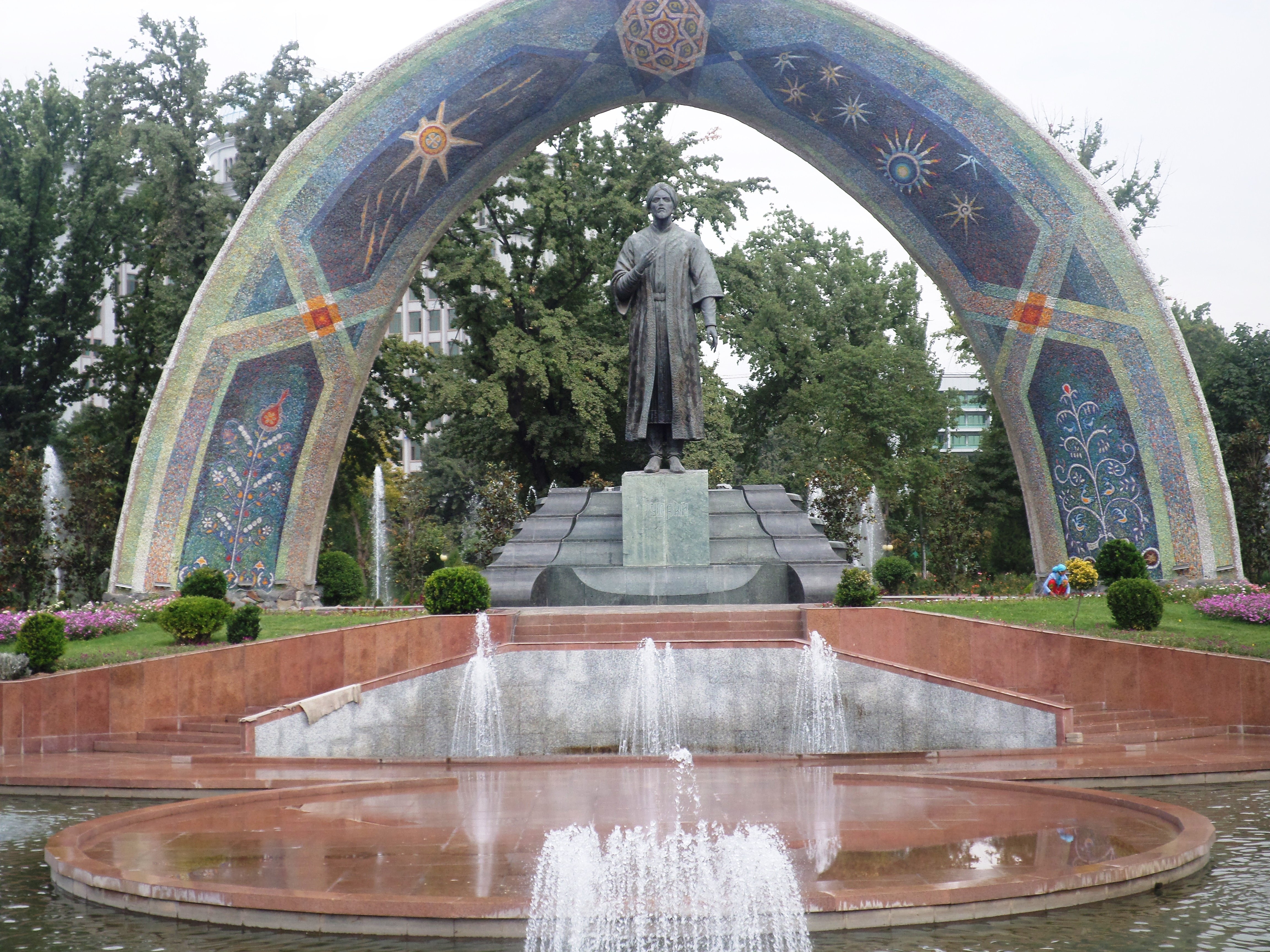
Dushanbe is one of those capitals that surprises you by being more pleasant than expected. Its name means Monday in Tajik — a reference to the weekly bazaar that once defined the place — and until the Soviet railroad arrived in the 1920s, it was little more than a market village. The Soviets built it into a proper city: wide tree-lined boulevards, grand Stalinist facades, a leafy central park. The bones of that plan are still there, and on a sunny day the city is genuinely agreeable.
It's not a destination in itself — most travelers use it as a base before pushing out to the Pamirs, the Fann Mountains, or the ruins around Penjikent. But it rewards a day or two. The covered Barakat bazaar is lively and colorful; the Ethnographic Museum gives you a grounding in Tajik culture before you encounter it in the countryside; the Rokhat teahouse is a Soviet-era institution worth sitting in with a pot of tea and nothing in particular to do.
The National Museum of Tajikistan has one of the finest Buddhist sculptures in Central Asia — the reclining Buddha from Ajina-Tepe. The Gurminj Museum of Musical Instruments is a treasure of traditional Central Asian music. The colossal Dushanbe Flagpole near the Palace of Nations is the city's most visible landmark, briefly the world's tallest when it opened in 2011.
The city is calm and walkable in the center. You can cover most of the main sights on foot. Marshrutkas and shared taxis handle everything else. The people are friendly and curiosity about foreign visitors is genuine rather than commercially motivated — this is not a city that gets many tourists. The Varzob Gorge north of the city is an easy half-day escape into the mountains.