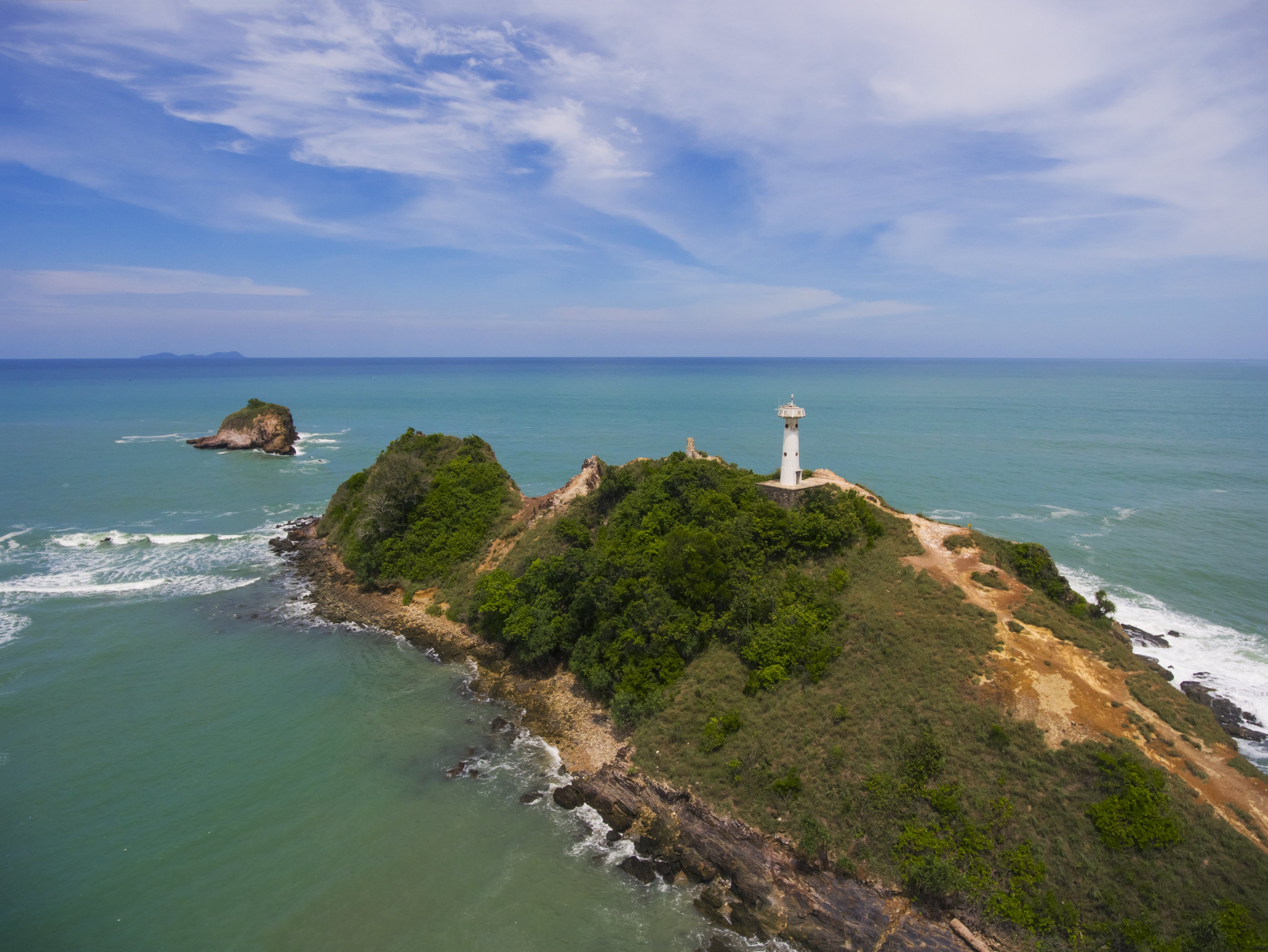
Laid-back Andaman island of forested hills, west-coast beaches, and a stilted Old Town.
Koh Lanta is the Thai island that people discover after they have had enough of the full-moon-party circuit. Part of an archipelago of 52 islands in the Andaman Sea off Krabi province, it is Ko Lanta Yai — the big island — that draws visitors: a long, hilly strip fringed by a dozen west-coast beaches, each one quieter than the last as you head south.
The island has a different feel from most Thai beach destinations. The interior is thickly forested, the southern tip is a national park, and the local population is predominantly Muslim, with mosques far outnumbering temples. Old Town on the east coast is a charming wooden-stilted fishing village built over the water, originally settled by Chinese traders and sea gypsies. It is one of the most atmospheric spots on the island.
The beaches run from busy Klong Dao in the north, with its family resorts and wide shallow water, down to the near-deserted coves around Mu Ko Lanta National Park in the south. In between you will find Long Beach (Phra Ae), Klong Khong with its backpacker bars, and Kantiang Bay — arguably the prettiest beach on the island, backed by jungle hills. Snorkelling and diving are excellent, particularly around the offshore islands of Ko Rok.
The monsoon season runs from June to October, when many resorts close and ferries become irregular. The best time to visit is November to March, when the seas are calm and the skies are clear. Getting around requires a motorbike or hired car — there is no real public transport, and the west-coast road is the island's only artery.
Guide
Getting Around
There is no public transport on Koh Lanta. The island has one main road running north to south along the west coast, and getting around requires renting a motorbike or car. Motorbikes are available for 200–300 baht per day from countless rental stalls along the main beach road — this is by far the most practical option. The road is paved the full length of the island, though some tracks into the interior are rough.
Taxis exist in the form of pick-up trucks that loiter near the ferry pier and at popular beaches, but they are expensive relative to renting your own transport. Songthaews (shared pick-up trucks) do run informally, but you won't find them on a schedule.
The island is about 30 km from north to south, so the drive from the ferry pier at the northern end to the national park in the south takes around 45 minutes on a motorbike. Fuel is available at several roadside stalls and a small petrol station near Long Beach.
Guide
Getting There
Koh Lanta is most easily reached from Krabi. During the dry season (November to April), regular ferries run from Krabi Town and Krabi's Ao Nang pier to Ko Lanta, taking 1.5–2.5 hours depending on the route. The most scenic approach is via a speedboat that stops at Ko Phi Phi en route — a 2-hour trip. High-season services are frequent; in the shoulder months, check schedules carefully as frequency drops.
From Koh Lanta you can also pick up speedboat connections to Koh Phi Phi, Koh Ngai, and other Andaman islands. A vehicle ferry runs year-round from the mainland town of Hua Hin to the northern tip of the island, crossing two short straits. Most guesthouses and resorts can arrange transfers from Krabi Airport, which is the most convenient access point for international arrivals.
During the low season (May to October), the ferry service becomes irregular and some routes close entirely. Getting to or from the island during monsoon season typically requires a minibus connection via the mainland vehicle ferry.
Guide
When to Go
The dry season runs from November to April — this is when Koh Lanta is at its best. The sea is calm, the sky is clear, and the visibility for snorkelling and diving is excellent. Peak season is December to February, when European visitors arrive in numbers and prices rise accordingly. February and March are the sweet spot: still dry and sunny, but cheaper and less crowded.
The monsoon season runs from May to October. Rain comes in heavy bursts rather than all-day drizzle, and some days are perfectly sunny. However, the sea becomes rough, ferries become infrequent or stop entirely, and many resorts close for the season — particularly in the July–September trough of the monsoon.
If you come in May or October (the shoulder months), you'll find a quieter, cheaper island with good weather on most days, though you need to accept that some facilities will be closed and the ferry connections will require planning.