Large Thai island beach region shaped by tourism, old tin wealth, and Sino-Portuguese Phuket Town
Phuket (pronounced "Poo-ket") is Thailand's largest island — about the size of Singapore, lying just off the country's western coast and joined to the mainland by a short bridge. It is the country's most heavily developed beach destination, with a reputation for everything from family resorts and yacht charters to the famously raucous nightlife strip of Patong. The island has been remade by tourism in the past three decades and is wholly unlike the rest of southern Thailand in scale and pace; some travellers love the convenience and variety, others run the other way to the quieter Andaman islands further south.
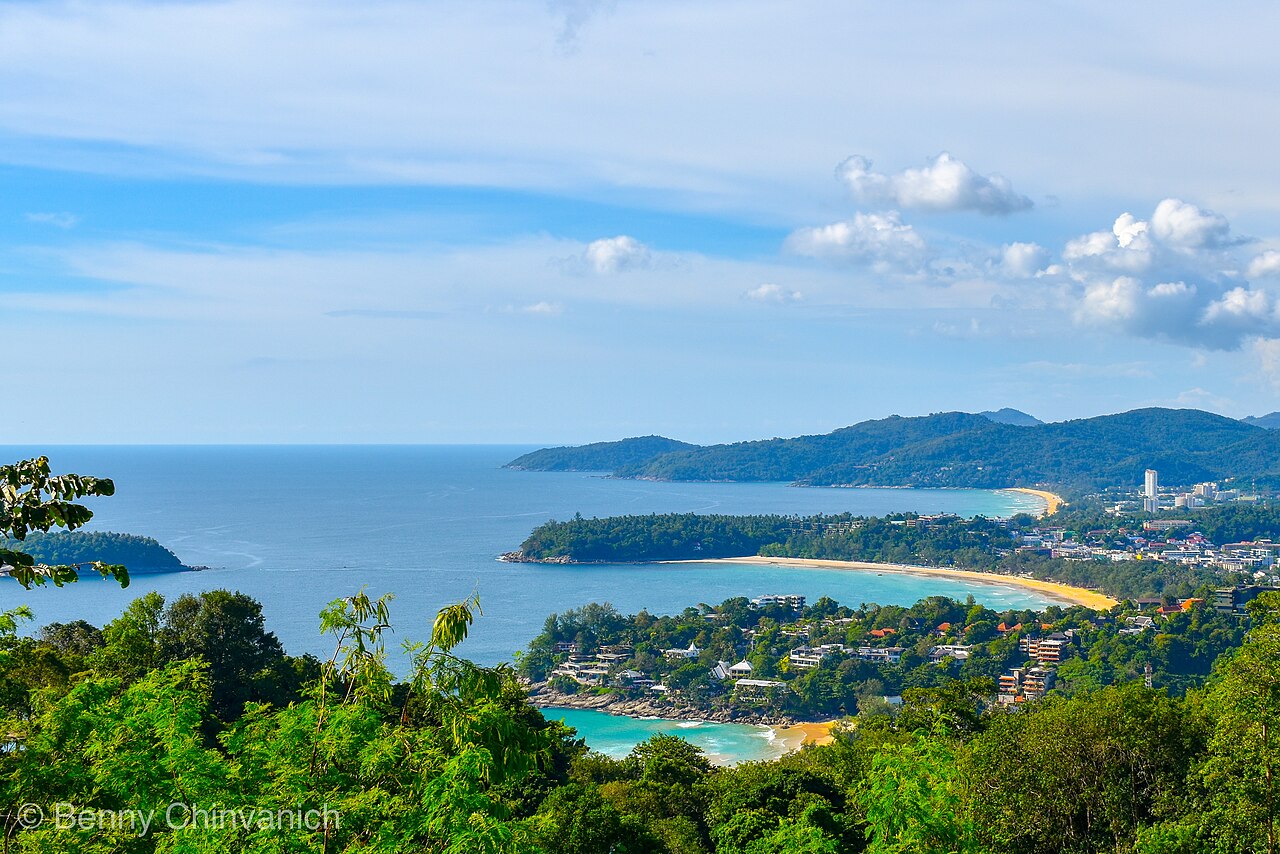
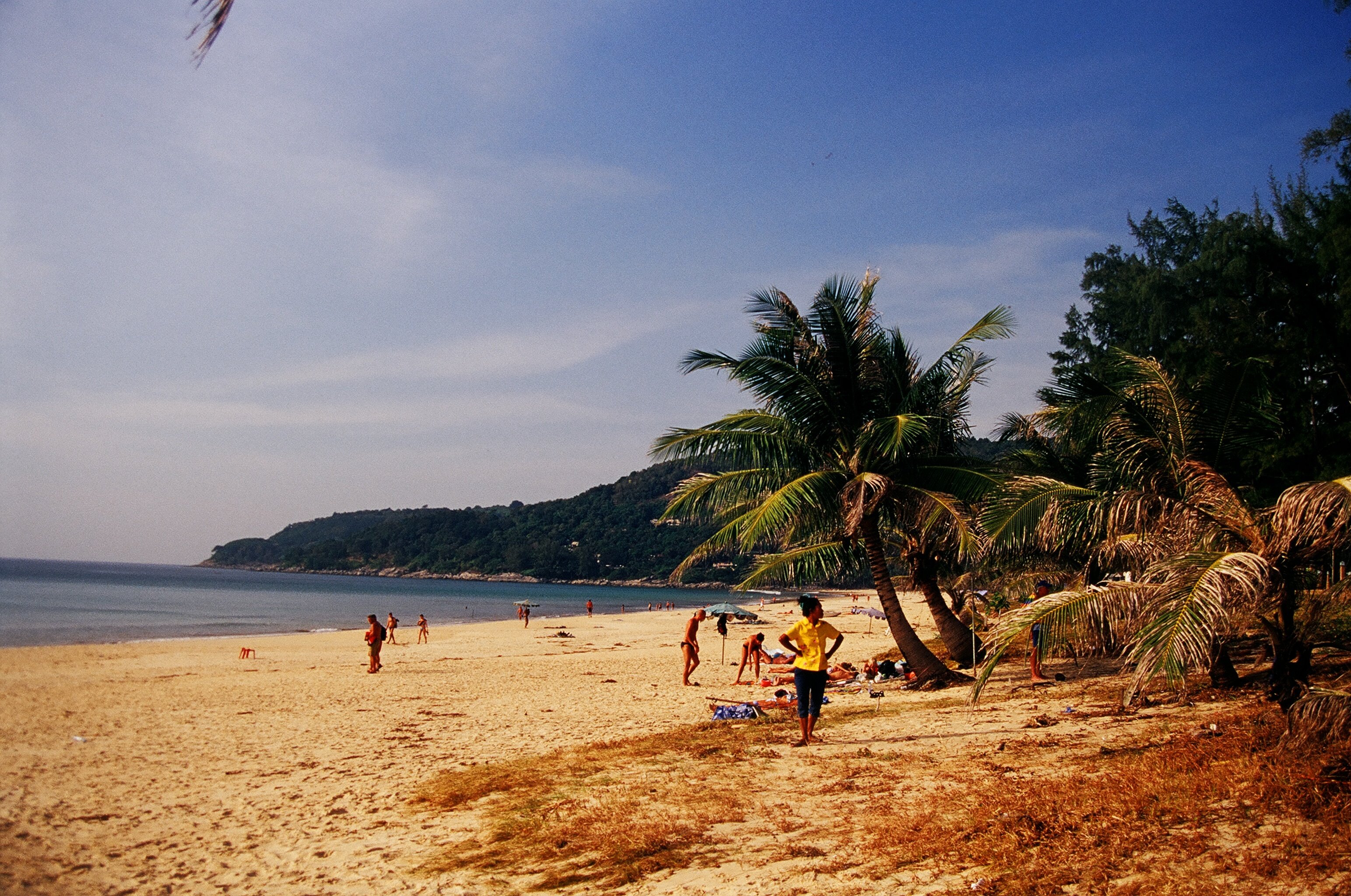
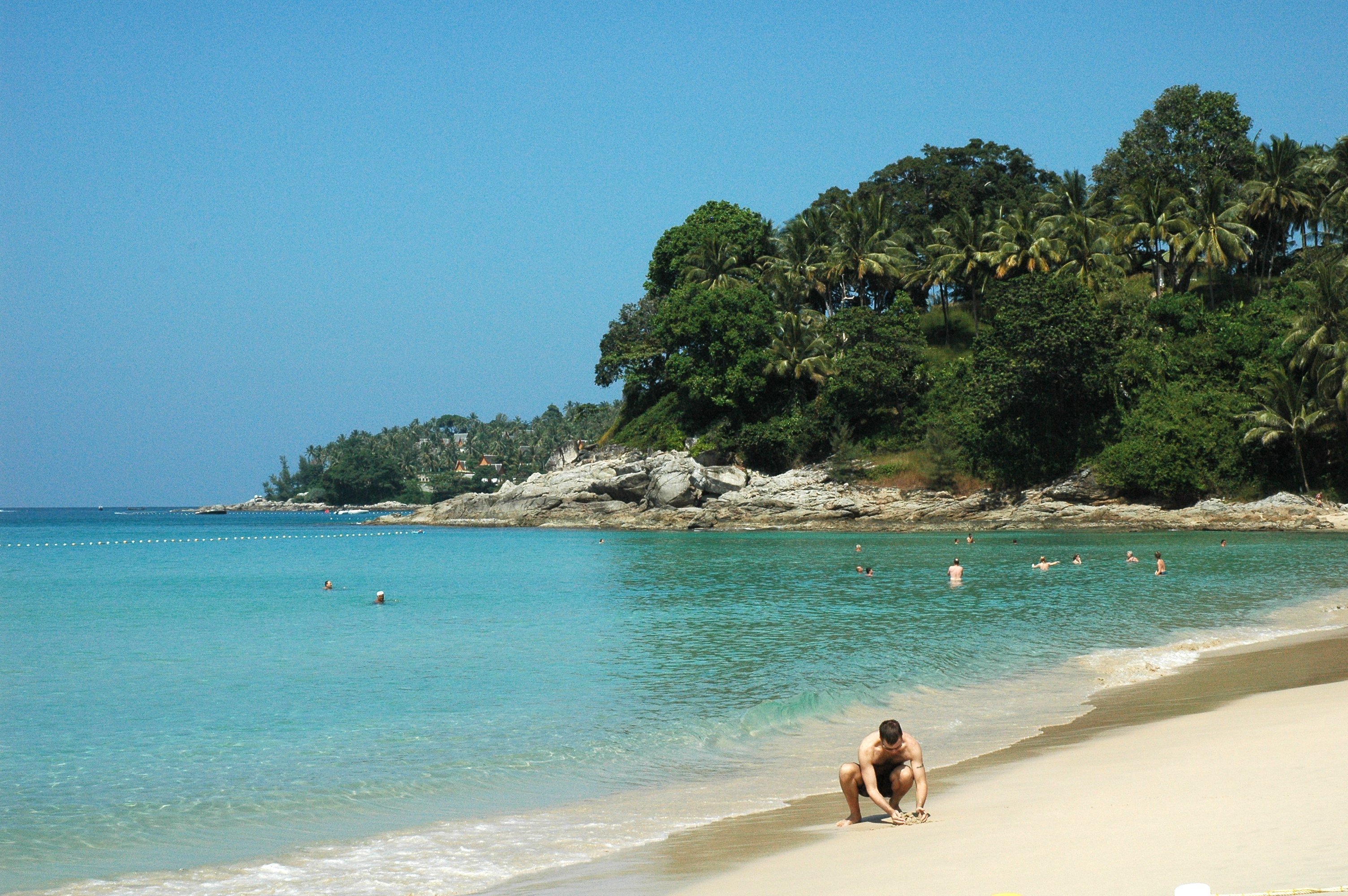
The west coast is where the beaches are — a string of white-sand bays separated by rocky headlands, ranked roughly by quietness as you move away from Patong. Patong is the loudest, with the bar strip of Bangla Road and a packed beach overrun with jet-skis. Karon and Kata to the south are calmer family alternatives. Surin, Kamala, and the upmarket Bang Tao further north have the higher-end resorts. Nai Harn in the south is one of the most attractive and least developed beaches on the island.
Phuket is also a serious dive base — the Andaman Sea around it has some of the best diving in Thailand, particularly the Similan and Surin Islands to the north (a few hours by boat) and Phi Phi to the southeast. Dozens of dive shops in Patong and Karon run day trips and multi-day liveaboard cruises.
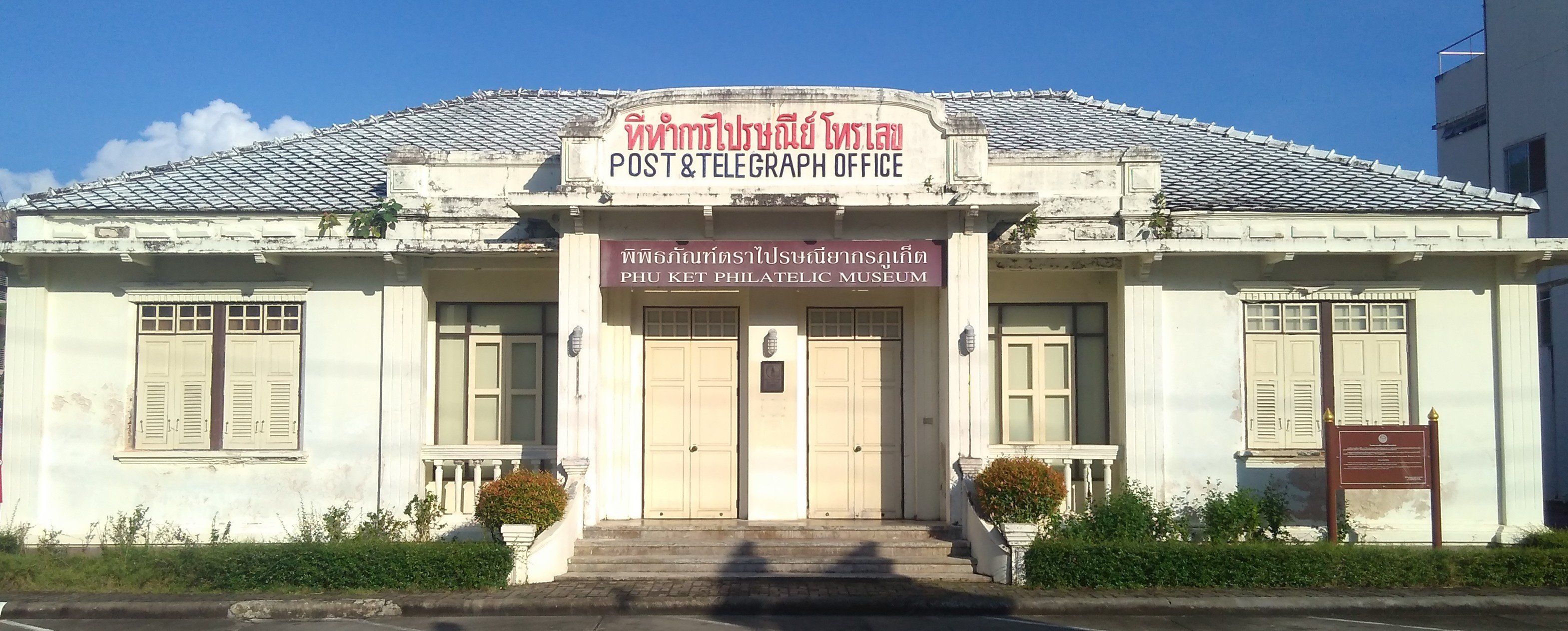
Beyond the beaches, Phuket Old Town is a quietly rewarding wander — Sino-Portuguese shophouses painted in pastel colours, a remnant of the island's tin-mining wealth and Hokkien Chinese settlement. The annual Vegetarian Festival in September or October draws spectacular crowds, with white-robed devotees walking on hot coals and piercing their cheeks. Inland, the Big Buddha on Nakkerd Hill above Chalong is a 45-metre marble statue with one of the best views on the island.
Phang Nga Bay east of the island is the famous limestone-karst seascape used for the James Bond film The Man with the Golden Gun; day trips by speedboat or longtail leave from Phuket. Phi Phi, Krabi and the Similan Islands are also reachable as day trips, but each deserves longer if you can spare it.
Destinations in Phuket
Patong
Kata
Karon
Surin
Chalong
Phuket City
Guide
Bars and Cafes
Patong's Bangla Road is the famously chaotic centre of Phuket nightlife — a pedestrianised strip of go-go bars, beer bars, ladyboy cabarets and dance clubs that gets going around 9pm and keeps going until dawn. Soi Easy and Soi Tiger are dense with pop-up bars; the Bangla Boxing Stadium runs Muay Thai bouts most nights. It is loud, neon-lit, and not to everyone's taste.
For a calmer drink, Kata and Karon have lower-key beach bars and resort lounges; Phuket Old Town has the best independent bar scene, with craft cocktail and craft beer spots in restored shophouses around Thalang Road and Soi Romanee. Rooftop bars at the larger resorts in Surin and Kamala are popular for sunset.
The big organised entertainment shows — Simon Cabaret at Patong (a long-running ladyboy revue) and Phuket FantaSea at Kamala (a Vegas-style themed dinner show) — are touristy but professional, often included in package itineraries.
Guide
Beaches
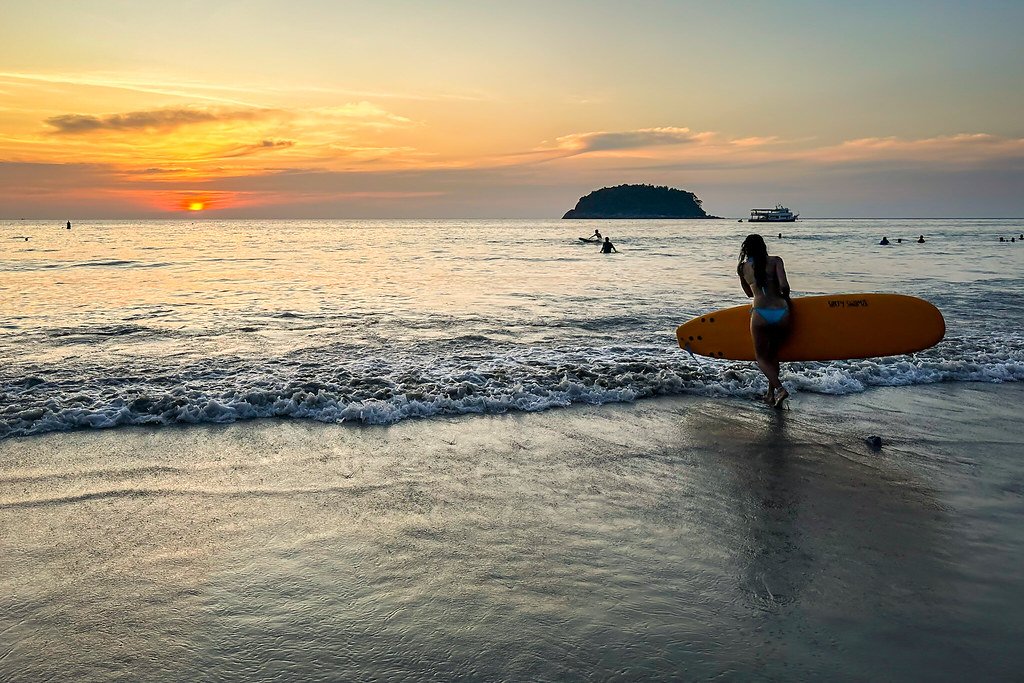
Phuket's beaches run down the west coast of the island in a string of sandy bays separated by rocky headlands. Best swimming and weather is November to April; the southwest monsoon from May to October brings rough seas and strong currents — pay attention to red flags, drowning incidents are common in the wet season.
Patong is the busiest, with full tourist infrastructure, jet-skis, parasailing, and the bar strip of Bangla Road inland. Karon and Kata, just south, are the calmer family alternatives — wide beaches, waves big enough to bodyboard, plenty of restaurants without the Patong intensity. Nai Harn at the southern end of the island is one of the prettiest beaches, sheltered between two headlands and not (yet) over-developed.
North of Patong, Kamala and Surin are upmarket and quieter, with several big resorts. Bang Tao, Layan and Nai Yang further north are even less developed; Nai Yang is part of Sirinat National Park and has a turtle conservation centre. Mai Khao at the very northern tip is the longest and emptiest beach on the island — and right beside the airport runway, a popular spot to watch planes land just metres above the sand.
Guide
Eating Out
Phuket's food culture is a mix of southern Thai (heavy on seafood, hot curries, fresh herbs), Hokkien Chinese (the legacy of the tin-mining migrants), Muslim southern Thai (rotis, beef rendangs), and the international resort circuit of Italian, French and Japanese restaurants in the beach towns.
For local food, Phuket Old Town is by far the most rewarding area. Look for moo hong (slow-braised pork belly with star anise and pepper), mee Hokkien (yellow noodles in a thick savoury gravy), o-tao (oyster omelette), and the colourful Nyonya-style sweets. The Sunday Walking Street along Thalang Road is the easiest way to graze through everything in one evening.
The night markets (Chillva Market in Phuket City, Phuket Indy Market) and the roadside stalls in any town are typically excellent and very cheap. Beach-area restaurants in Patong, Karon and Kata cover the spectrum from cheap Thai cafes to international fine dining; quality varies widely. Kopitiam by Wilai on Thalang Road is one of the best-known sit-down places for Phuket-style dishes.
Guide
Things to Do
The headline is the beach, but Phuket has more to it once you step away from the resort strips. Phuket Old Town repays half a day's wander — the Sino-Portuguese shophouses on Thalang Road, the Sunday walking street, and a string of independent cafes have made the town quietly fashionable.
The Big Buddha on Nakkerd Hill above Chalong (45m of white Burmese marble; visible from much of the south island) and Wat Chalong at its base are the main religious sites. Sirinat National Park at the north end of the island has the quietest beaches and a turtle conservation centre.
For the active, diving is the obvious draw — day trips and multi-day liveaboards run to the Similan Islands, Phi Phi and Racha Yai. Snorkelling, kayaking through the limestone caves of Phang Nga Bay, kitesurfing off Nai Yang in the right season, and Muay Thai training at one of the dozens of gyms around Chalong all draw repeat visitors. Cooking classes are widely available and a good rainy-day option.
A typical first-time visitor combines beach days with a James Bond Island day trip and an evening exploring Phuket Old Town.
Guide
When to Go
The dry season runs November to April and is the prime time for the beach — sunny days, calm seas, water temperatures around 28°C. December and January are peak season; book accommodation well ahead and expect higher prices. March and April get hot — high 30s by mid-afternoon — but the sea is still flat.
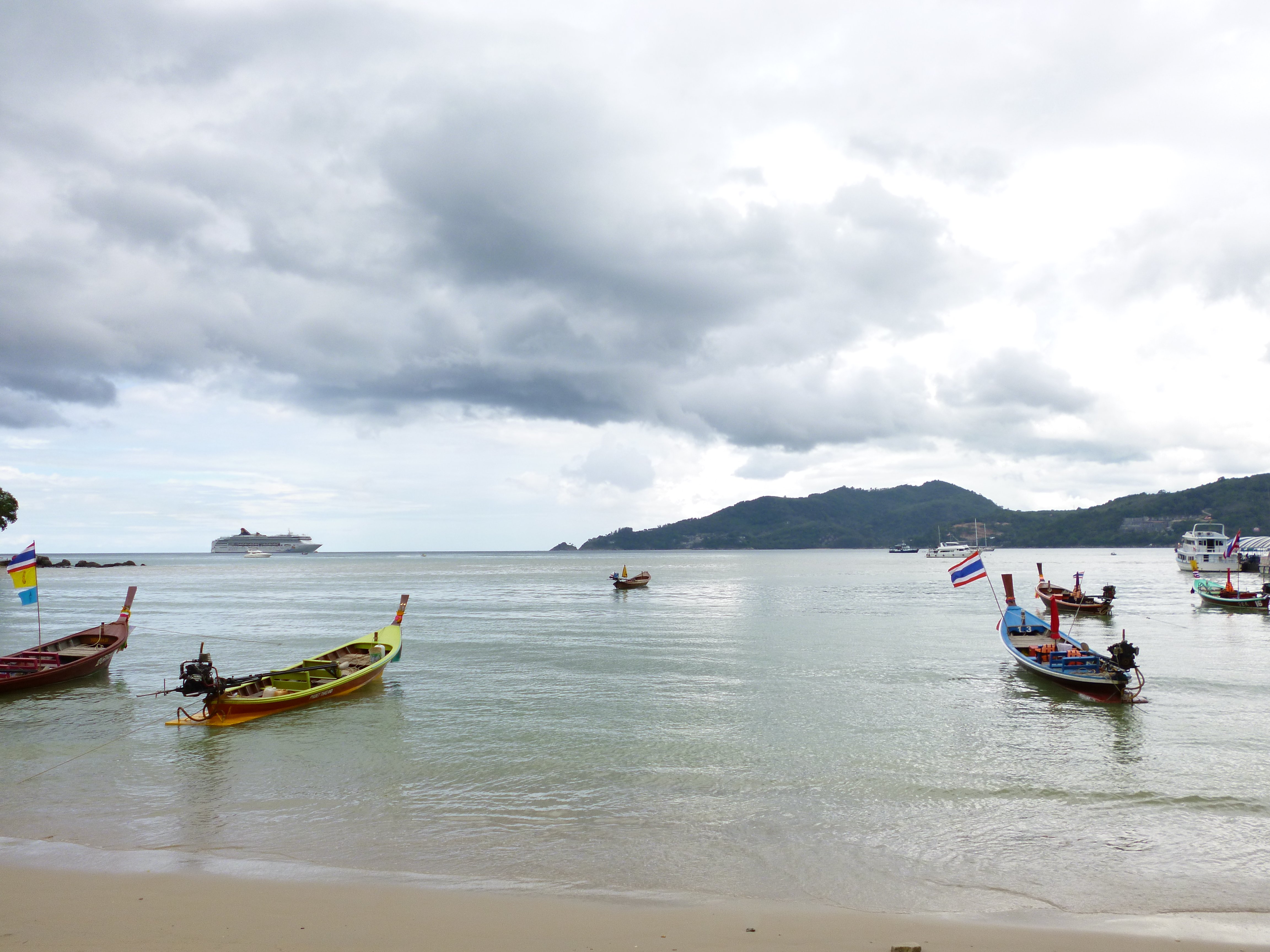
The southwest monsoon runs May to October. It rarely rains all day but afternoon downpours are frequent, the sea gets rough with strong rip currents (red flags posted; treat them as binding), and many smaller beach businesses close. The trade-off is significantly cheaper rooms and a much quieter island.
The major event to time a visit around is the Vegetarian Festival in September or October (the first nine days of the ninth lunar month of the Chinese calendar), centred on Phuket Old Town. Devotees dressed in white process through the streets in trance states, piercing their cheeks with skewers, walking on hot coals and climbing ladders of upturned blades — startling, intense and crowded. Earplugs help; the firecrackers are constant.