Kata
©
Kata

Kata

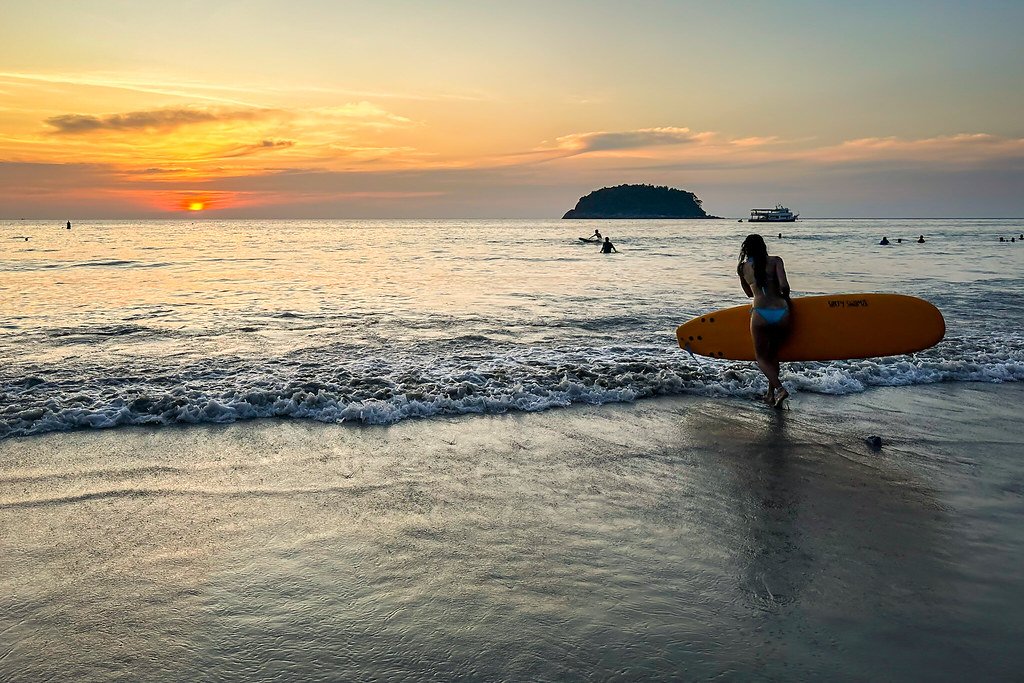
Phuket beach area with a sandy crescent, calm-season swimming, and monsoon surf.

Kata is one of Phuket's most popular beach areas, sitting on the island's west coast between Karon to the north and Nai Harn to the south. Kata Beach is a crescent of fine sand backed by casuarina trees, with good swimming from November to April when the Andaman Sea is calm. During the monsoon season (May-October) the waves pick up and Kata becomes a decent surf spot.

The beach is divided into two: Kata Yai (Big Kata) is the main stretch, lined with restaurants and beach vendors, while Kata Noi (Little Kata) to the south is quieter and more scenic. The Karon Viewpoint above Kata Noi, looking south over three bays, is one of the most photographed spots on the island.

Kata has a good range of restaurants and bars along the main road (Patak Road) and the side streets. It is less hectic than Patong but more developed than the southern beaches — a reasonable middle ground for travellers who want convenience without the chaos.

Guide

Bars and Cafes

Kata's bar scene is moderate rather than wild — most visitors who want a serious night out head north to Patong. Locally, the action is along Kata Centre Road and the side streets running back from the beach.

Open-air sports bars, low-key beer bars with bar girls (mostly polite and contained, much less aggressive than Patong's Bangla Road), and a handful of cocktail places on the headland between Kata and Kata Noi give a reasonable choice. For a sunset drink with a view, the rooftops of the south-end hotels are open to non-guests.

Guide

Eating Out

Kata has a solid range of dining options along Patak Road and the side streets leading to the beach. Thai food dominates, from cheap street-side pad thai to more polished seafood restaurants with sunset views. Several Italian, Russian, and international restaurants cater to the long-stay tourist crowd, particularly along Kata Centre Road.

For cheap and good, look for the open-front shophouses one block back from the beach where you'll see motorbike-riding locals stopping in. For sunset dinners with a view, head up the hill towards the viewpoint or to the headland between Kata and Kata Noi.

Guide

Getting Around

Kata is small enough to walk between hotels, beach, and most restaurants. To go further, the standard options are:

  • Scooter rental: 200–300 baht per day. Rentals everywhere along Patak Road. Wear a helmet, check brakes, and have an international licence — police checkpoints near the beach catch unlicensed riders.
  • Tuk-tuks: Phuket's tuk-tuks are red, larger, and notoriously expensive. Expect 200 baht to Karon, 400–600 to Patong, 800–1,000 to Phuket Town. Negotiate. There are no meters.
  • Songthaews: Blue pickup-bus services to Phuket Town run irregularly from the main road. Cheap (40–50 baht) but slow.
  • Grab and InDriver: Ride apps work but tuk-tuk drivers obstruct pickups in some streets. Walk a few hundred metres for an easier collection.

The airport is 40 km north and a taxi takes 60–75 minutes (around 800 baht). There is no public bus.

Guide

When to Go

November to April is Kata's high season — sunny, dry, calm Andaman Sea, and the safest swimming. December and January are the busiest months and the most expensive; February and March are slightly quieter but the weather is still excellent.

May to October is the south-west monsoon. Heavy showers (usually short, often dramatic) and a building swell turn the beach into a surf spot rather than a swimming one. Hotel prices drop by 30–50% and the town is noticeably emptier. Red flags go up on dangerous days — heed them, the rip currents are serious.

The shoulder months of April–May and October–November can offer the best balance: lower prices, still mostly sunny, and small enough crowds to enjoy the beach.

phuket