Çorum sits on the edge of a fertile plain in north-central Turkey, roughly 240 km east of Ankara, where the Black Sea region meets Central Anatolia. It was a historic trading town on the routes between the Anatolian plateau and the coast, and its bazaars once sold hand-spun textiles, copper utensils, and leather goods. Today it's a quiet provincial city best known as the gateway to some of Turkey's most important Hittite sites — and, famously, for its roasted chickpeas.
The real reason to come here is the archaeology. Within a short drive of the city are three of the most significant Hittite sites in the country. Hattusa (Boğazkale), about 85 km south, was the capital of the Hittite Empire and is now a UNESCO World Heritage Site — the massive walls, temples, and the three great gates (Lion, Royal, and Sphinx) are extraordinary. Two kilometres from Hattusa is Yazılıkaya, an open-air rock sanctuary carved with reliefs of Hittite gods and kings dating to the 13th century BC. And Alacahöyük, 36 km from Boğazkale, has a Hittite gateway flanked by sphinxes and a museum of Bronze Age finds.
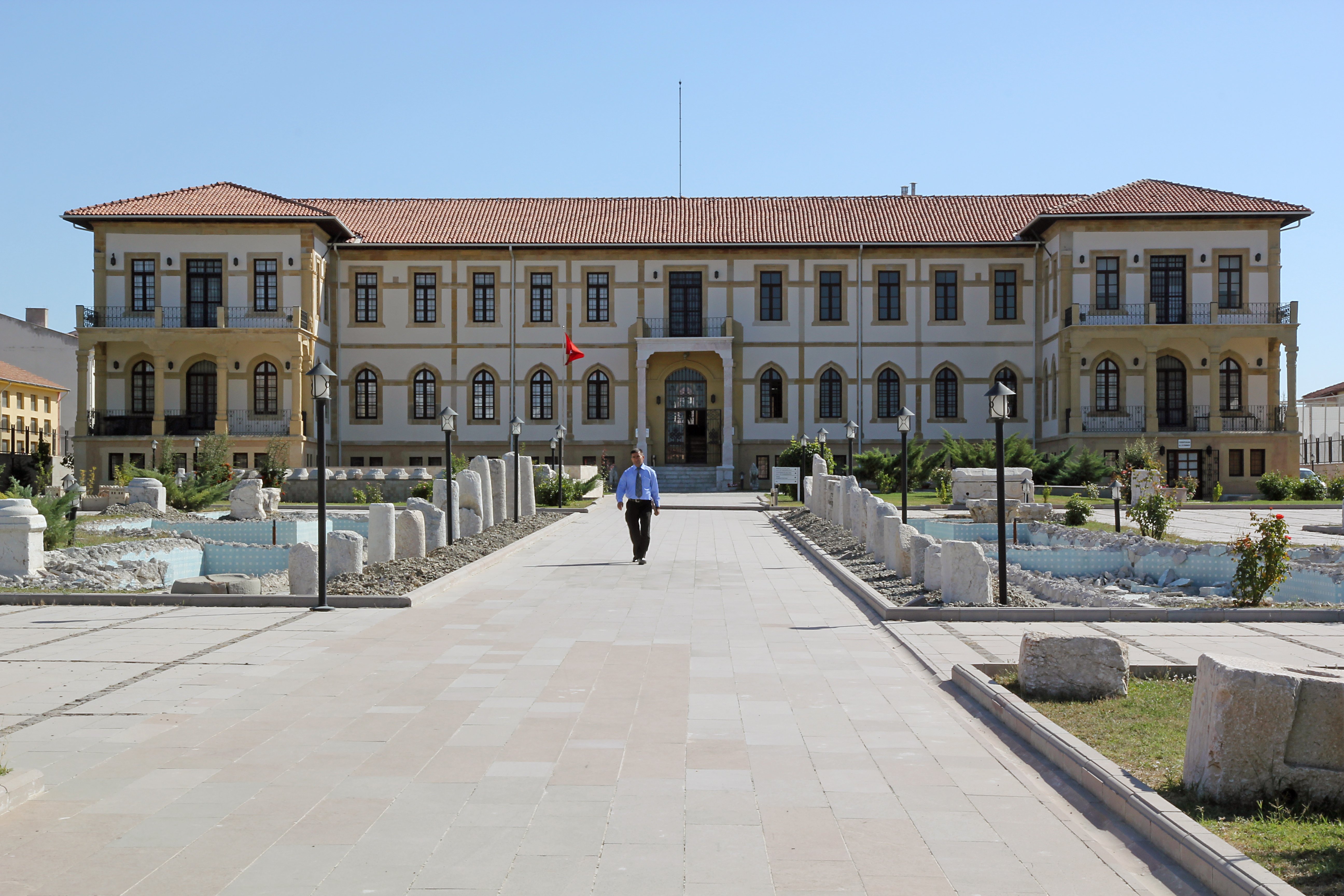
Back in the city, the 13th-century Ulu Mosque built by the Seljuks and the 19th-century clock tower are the main sights. The Museum of Çorum has a good collection of finds from the surrounding excavations. Allow a full day if you're visiting both Hattusa and Yazılıkaya — they're easily combined and worth the effort.