Xanthos, in the Xanthos River valley about 230 km west of Antalya, was the capital of ancient Lycia — one of the most powerful and culturally distinct city-states of the ancient Mediterranean. The city has one of the most dramatic histories of any ancient site in Turkey: besieged twice, its citizens chose mass suicide over surrender, both times gathering their families into the citadel and burning it down before sallying out to die fighting.
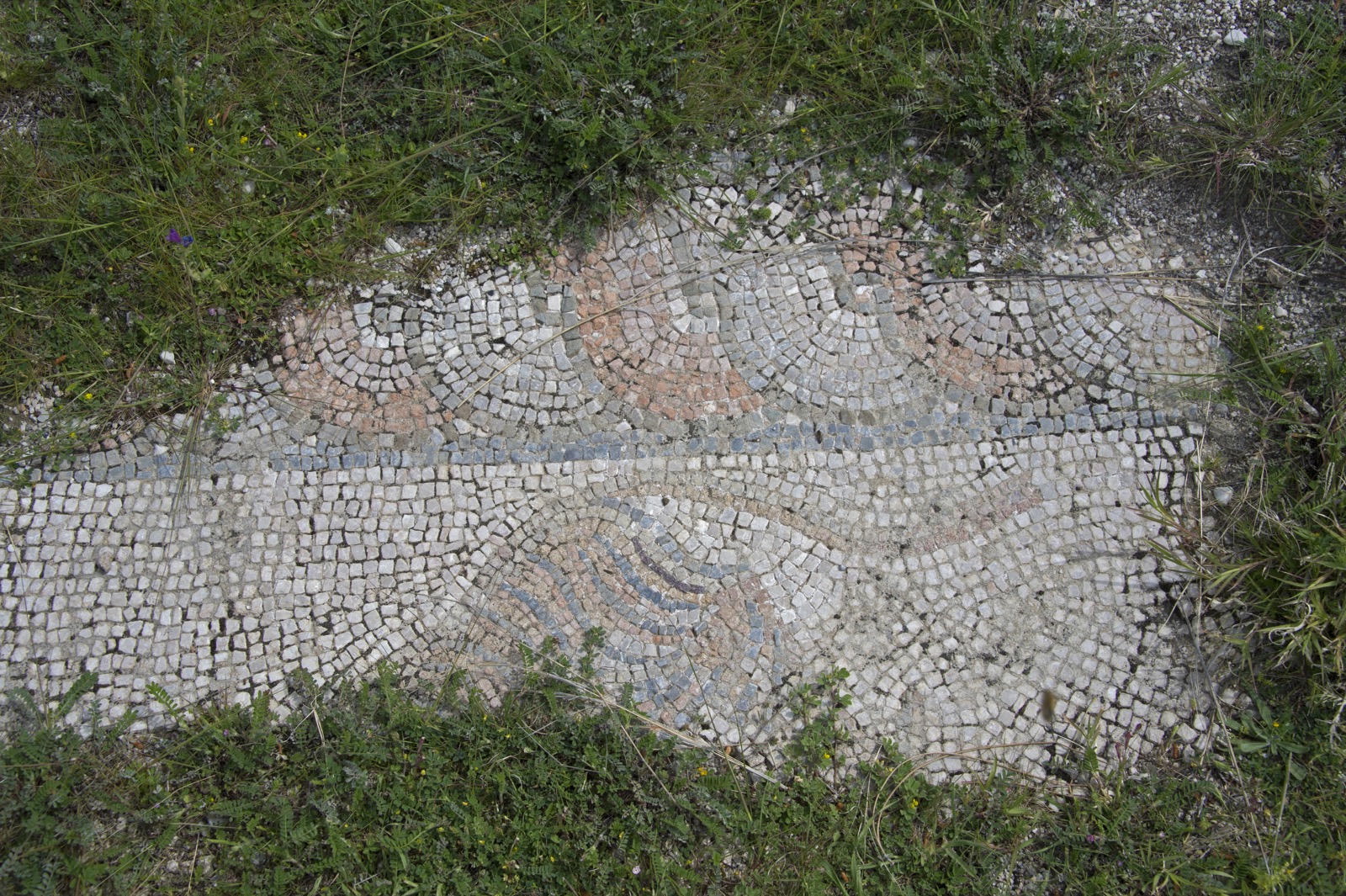
The ruins include a Lycian acropolis, a Roman agora, several extraordinary Lycian pillar tombs, and the base of the Nereid Monument — the monument itself was removed to the British Museum in the 1840s, where it remains. Nearby Letoon, the Lycian federation's sacred sanctuary dedicated to Leto and her children Apollo and Artemis, is 5 km away. Together they are a UNESCO World Heritage Site.
Both sites are remote and rarely crowded. The drive from Antalya along the Lycian coast road, past Kas and Kaş, is among the finest in Turkey.