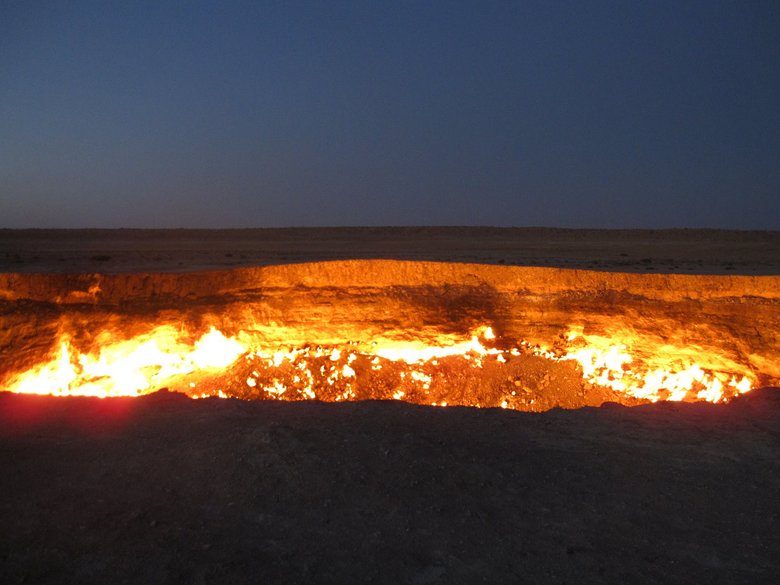
Turkmenistan is one of the most closed countries on earth. It sits in the heart of Central Asia, bordered by Kazakhstan, Uzbekistan, Afghanistan, Iran, and the Caspian Sea — and for decades it has turned most of its back on the outside world. Getting in is complicated. Moving around independently is restricted. Yet travelers who make the effort find a country of startling contrasts: blazing desert and ancient Silk Road ruins, a surreal marble capital and a crater of fire that has burned for fifty years in the middle of nowhere.
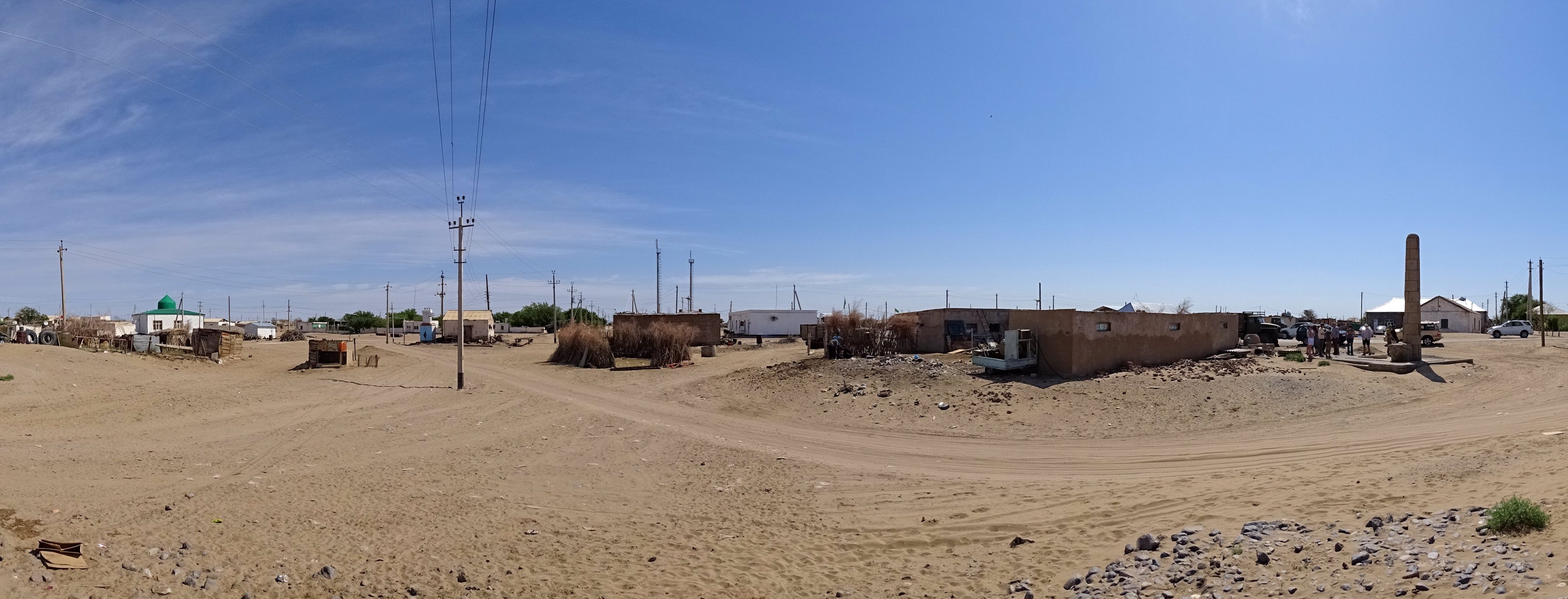
The country is dominated by the Karakum Desert, which covers roughly 70 percent of its territory. Turkmen civilization grew along the desert's edges, near rivers and oases, and the great Silk Road cities — Merv, Kunya-Urgench — once connected China to the Mediterranean through this landscape. Both are UNESCO World Heritage Sites. Both are now ruins, and both are extraordinary.
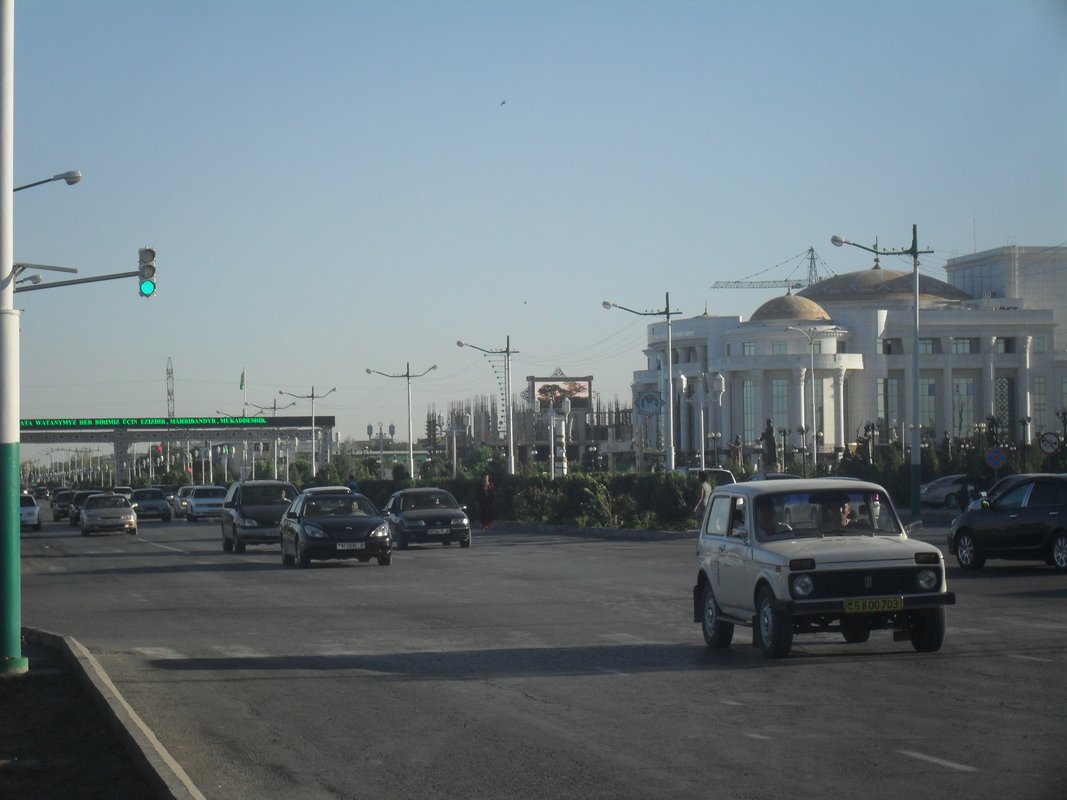
Since independence from the Soviet Union in 1991, Turkmenistan has been governed by two successive leaders who built one of the world's most extreme personality cults. The capital, Ashgabat, was rebuilt from scratch after a devastating 1948 earthquake and then rebuilt again under President Niyazov (who called himself Turkmenbashi, "Father of the Turkmens") and his successor Berdimuhamedov. The result is a city of white marble boulevards, golden statues, and monumental architecture that is genuinely unlike anywhere else.
The people are predominantly Turkmen, a Turkic-speaking Muslim people with deep nomadic roots. Many families still keep horses and know how to live in a felt yurt. Hospitality is taken seriously. If you are invited into someone's home, you will be fed.
Destinations
- Ashgabat — the white marble capital, bizarre and unmissable
- Mary — gateway to the ancient ruins of Merv
- Turkmenbashi — Caspian port city and ferry terminal
- Chardzhou — eastern city on the Uzbekistan border
- Erbent — desert oasis preserving nomadic traditions