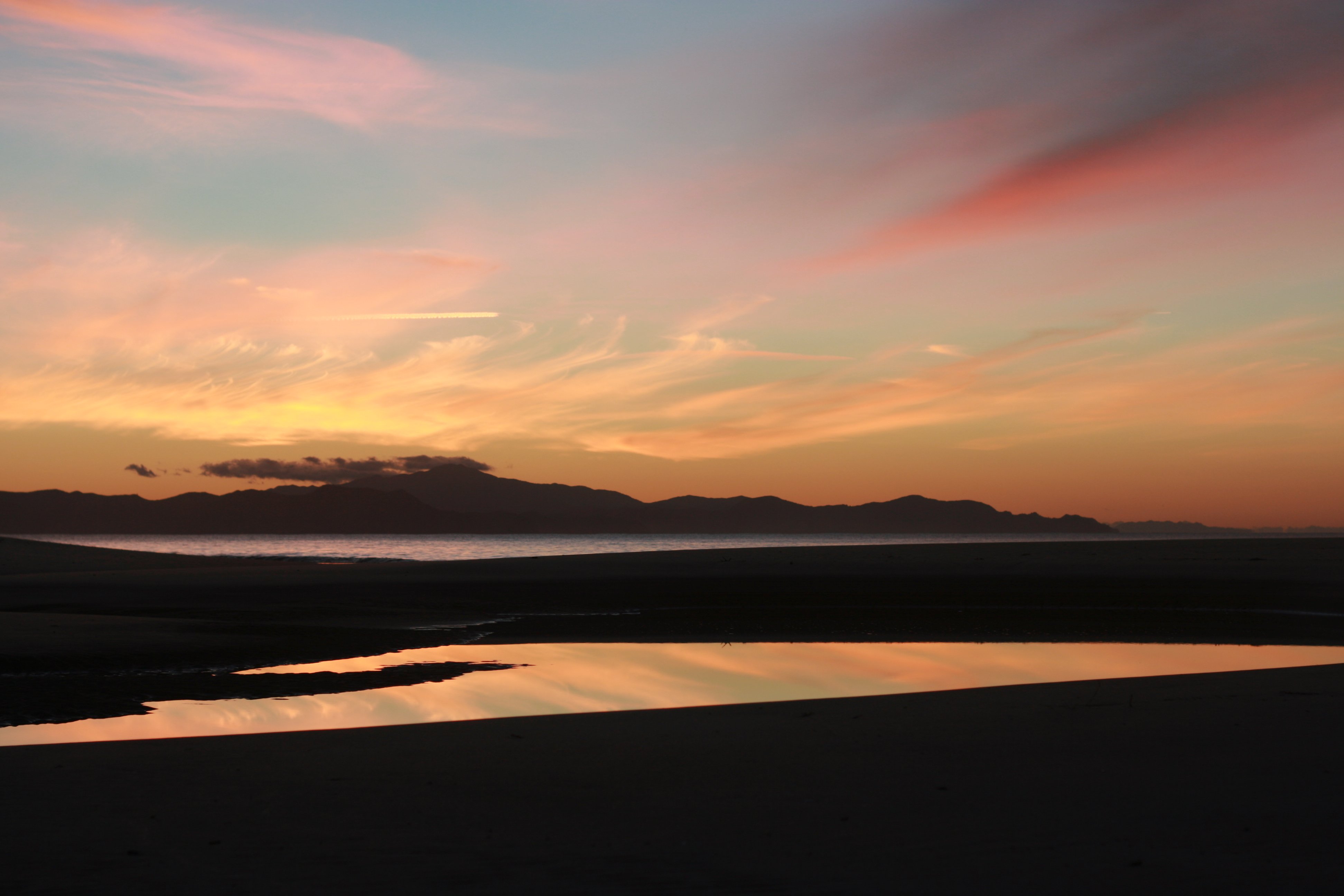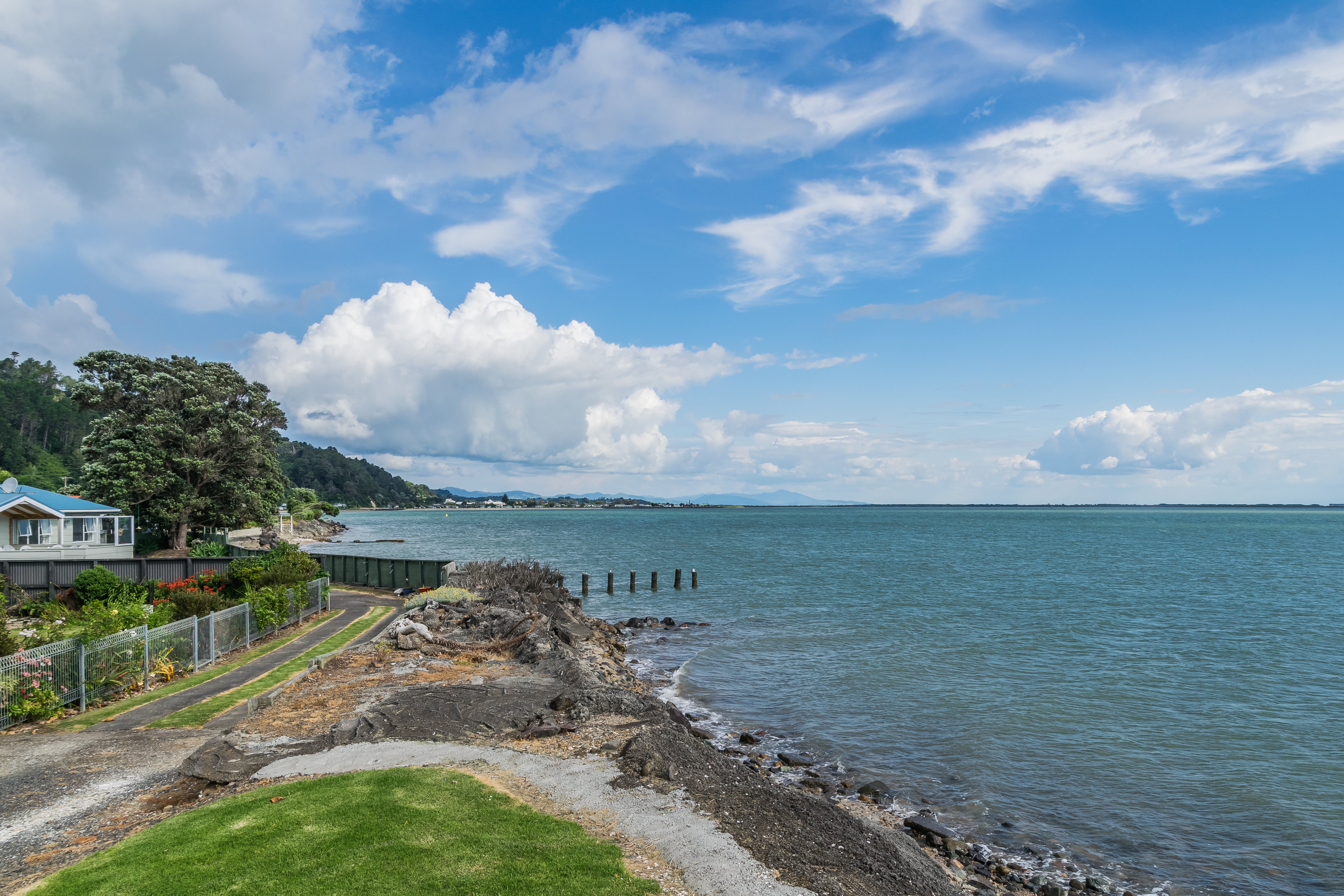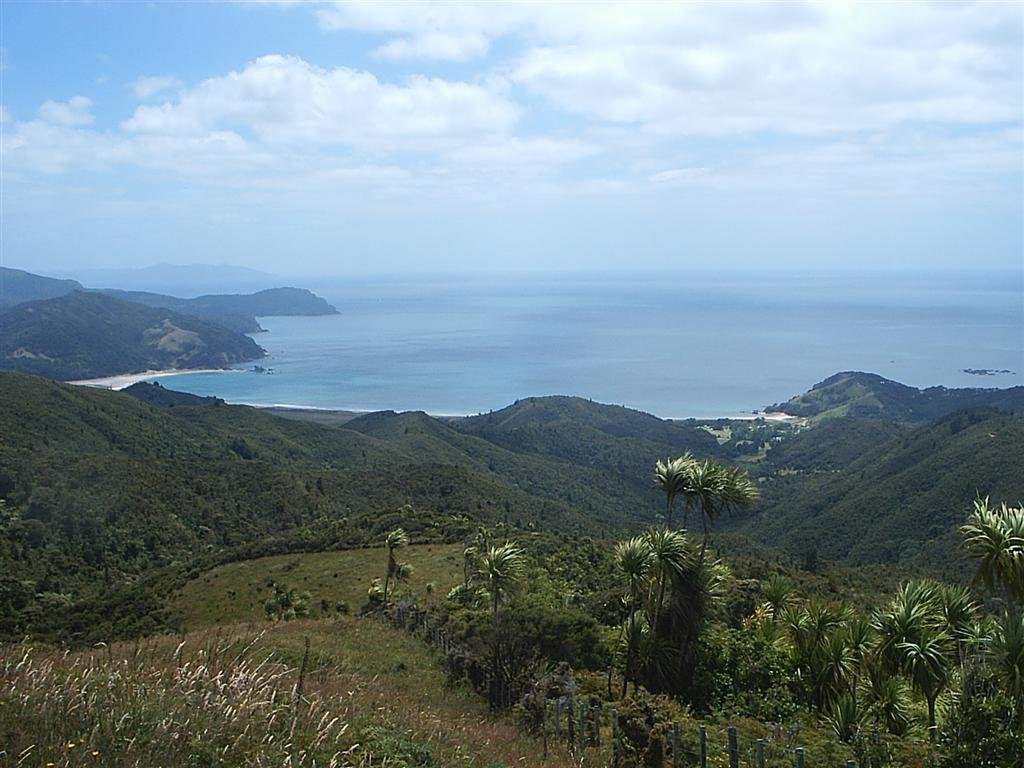
The Coromandel Peninsula stretches 85 kilometres north from the Bay of Plenty into the Hauraki Gulf, forming a rugged spine of bush-covered hills that drops steeply to the sea on both sides. The western shore faces the calm waters of the Firth of Thames; the eastern coast faces the Pacific, and this is where the best beaches are. The peninsula is close enough to Auckland — less than two hours' drive from the city — that it functions as the escape valve for half the North Island.
The character is different on each coast. The west has the older towns, including Thames with its gold-rush history, and the scenic coastal road to Coromandel Town. The east has the beaches that New Zealanders dream about in winter: Hot Water Beach, where geothermal water bubbles up through the sand and you can dig your own hot pool at low tide; Cathedral Cove, accessible only on foot or by kayak; and Hahei, the small town that serves both of them.
The interior is largely forested Coromandel Forest Park, with walking tracks through kauri stands and along ridges with views over both coasts. The north of the peninsula, beyond Coromandel Town, becomes progressively quieter as the road deteriorates — and at Colville, the last settlement before the road runs out, the feeling is genuinely remote.
Gold was discovered here in the 1860s, and the towns carry that heritage. Thames School of Mines is one of the finest small mining museums in the country. The Driving Creek Railway, built entirely by a ceramics artist over decades, runs into the hills above Coromandel Town on narrow-gauge track of his own construction.