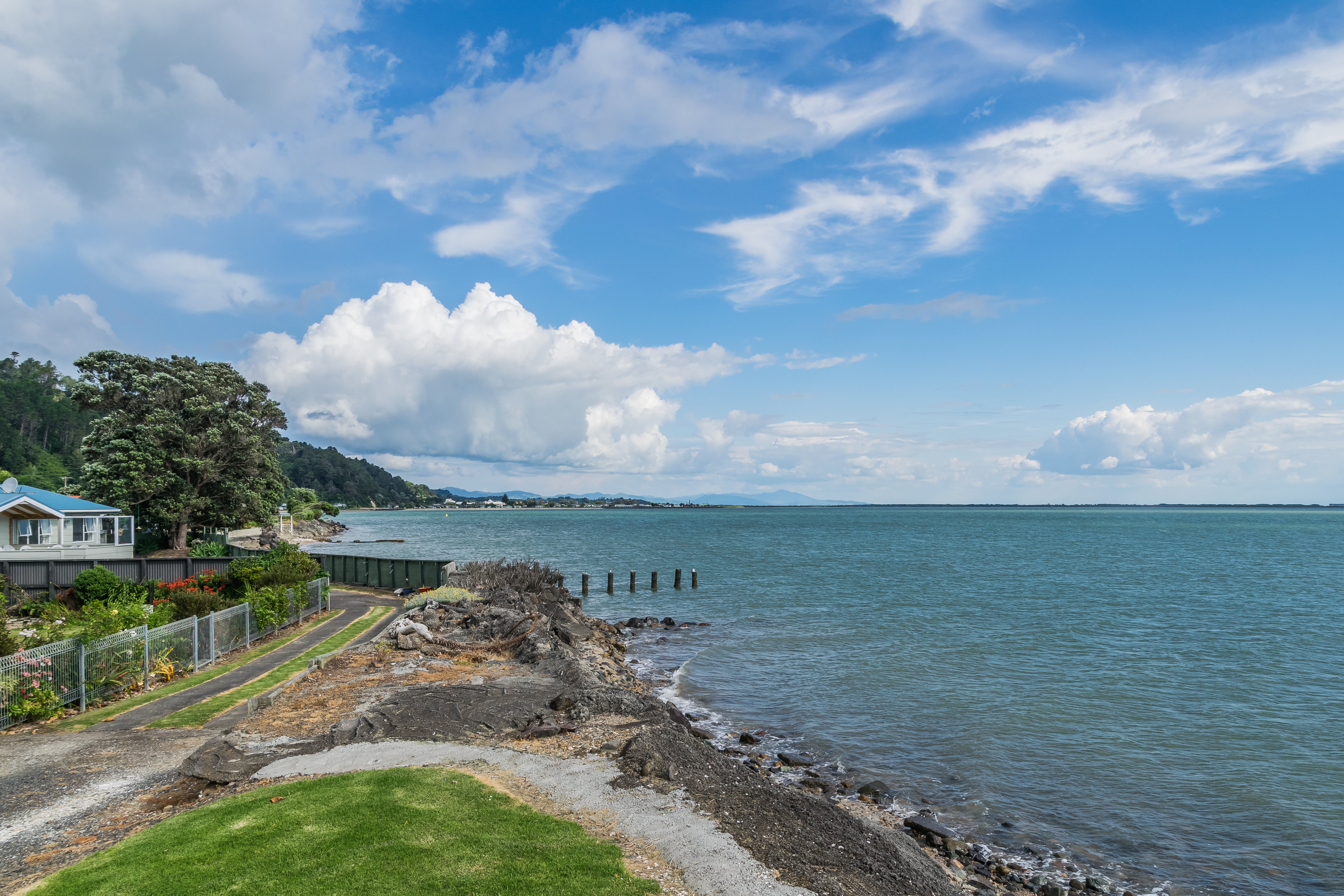
Thames is the old gold town at the southwestern edge of the Coromandel Peninsula, where the Waihou River meets the Firth of Thames. It is not the beachy Coromandel of postcards. It is older, more practical, and more interesting if you like towns that still show their working past.
The town grew out of Shortland and Grahamstown after the 1860s gold rush, and Grahamstown still has the best of its Victorian shopfronts, old pubs, antique stores, and cafes. The goldfields here were hard-rock operations, not simple alluvial diggings, and that left Thames with unusually good industrial heritage: the Thames School of Mines, the Thames Museum, and the Goldmine Experience all tell parts of the story.
Thames also earns its place because of what rises behind it. The road east follows the Kauaeranga River into Coromandel Forest Park, where the Pinnacles Walk climbs an old kauri packhorse route to one of the peninsula's best viewpoints. You can treat Thames as a lunch stop on the way north, but it is better as a base for one slow day: morning in the old mining buildings, afternoon in the valley, and a simple dinner back on Pollen Street.