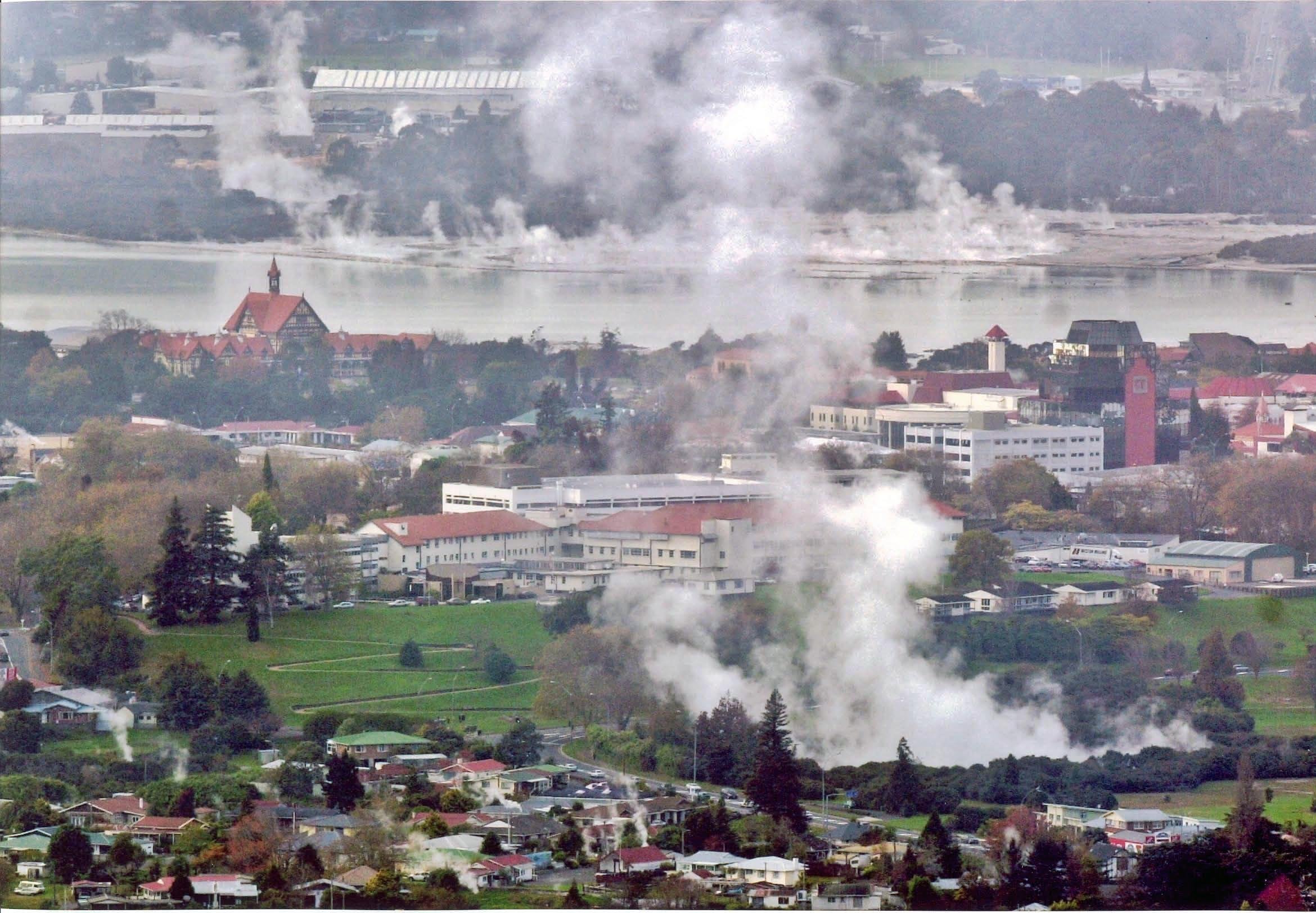
Rotorua sits in the middle of the North Island's volcanic plateau, and you will know you have arrived before you see it — the smell of sulphur hangs in the air like a permanent reminder that the ground here is not entirely stable. Geysers erupt on schedule, mud pools bubble at the roadside, and hot springs steam in suburban back gardens. It is one of the most geothermally active places on earth, and the landscape is genuinely otherworldly.
The town is also the heartland of Maori culture in New Zealand. The Te Arawa people have lived here for centuries, drawn by the same thermal energy that draws tourists today. Whakarewarewa Thermal Village is a living Maori settlement built among the geothermal vents — residents still cook in hot pools and bathe in natural springs. Te Puia, nearby, combines a cultural centre with the Pohutu Geyser, which erupts up to twenty times a day.
Beyond the geothermal attractions, Rotorua has built itself into an adventure tourism hub. Mountain biking trails wind through the surrounding redwood forest, the Skyline luge sends riders careening down a hillside, and zorbing — rolling downhill inside a giant inflatable ball — was invented here. The lakes around town offer trout fishing, kayaking and swimming, though you should check which ones are safe to swim in (some are thermally heated to uncomfortable temperatures).