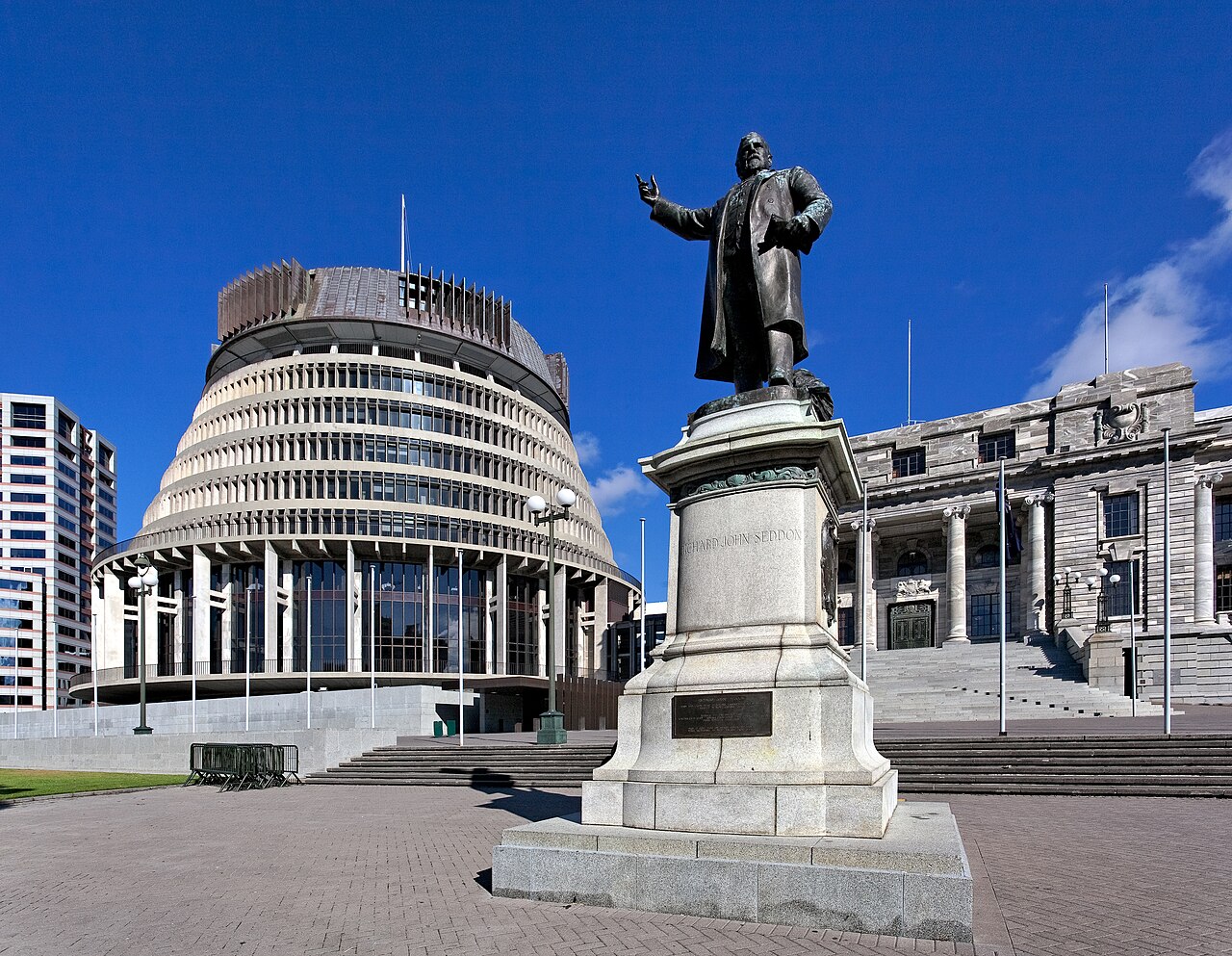
Wellington is the southernmost capital in the world, wedged between a deep harbour and a ring of forested hills. It is a compact, walkable city where you can go from parliament to a wild south coast beach in twenty minutes. The wind is relentless — Wellingtonians will tell you that with a mix of pride and resignation.
The city punches well above its weight culturally. Te Papa, the national museum, is genuinely world-class and free. The cafe scene rivals cities three times its size, concentrated along Cuba Street and Courtenay Place. Wellington has more restaurants and bars per capita than New York, and the quality is consistently good.
Cuba Street is the heart of the city's character — a pedestrian stretch of independent shops, vintage stores, and coffee roasters where buskers perform and everyone seems to know each other. Courtenay Place is where the nightlife happens, with theatres, cinemas, and bars packed into a few blocks. Havana Bar and Matterhorn are both on Cuba Street and both worth your time.
The harbour and hills give the city a dramatic setting. Take the Wellington Cable Car up to the Botanic Garden for views across to the Rimutaka Range, or walk the Town Belt tracks through native bush. Mount Victoria Lookout gives the best 360-degree view of the city. Zealandia is a predator-free wildlife sanctuary in the Karori valley where tuatara and kiwi thrive. Weta Workshop in Miramar is where the Lord of the Rings effects were made, and tours are open to the public. The south coast is completely different — rugged, windswept, and uncrowded, with seals at Red Rocks and surf at Lyall Bay.
Wellington is also the gateway to the South Island, with regular ferries crossing Cook Strait to Picton. The Kapiti Coast is 45 minutes north by train, with beaches and Kapiti Island's bird sanctuary.