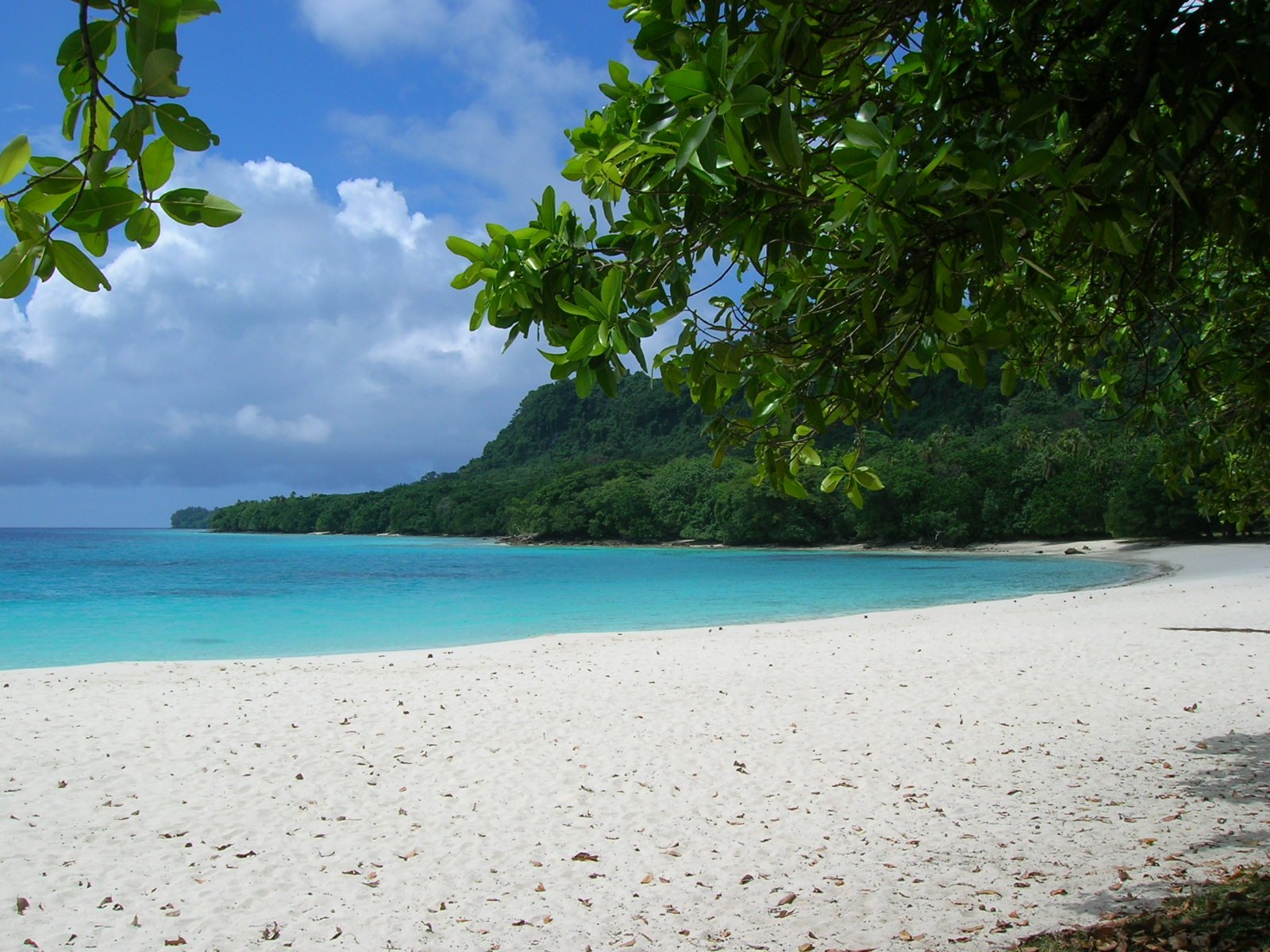
Vanuatu is an archipelago of 83 islands strung across the South West Pacific, roughly midway between Australia and Fiji. It became independent in 1980 after nearly a century of joint British and French rule — an unusual arrangement called the New Hebrides Condominium that left the country with two official European languages, two separate education systems, and an abiding fondness for French bread and kava in equal measure.
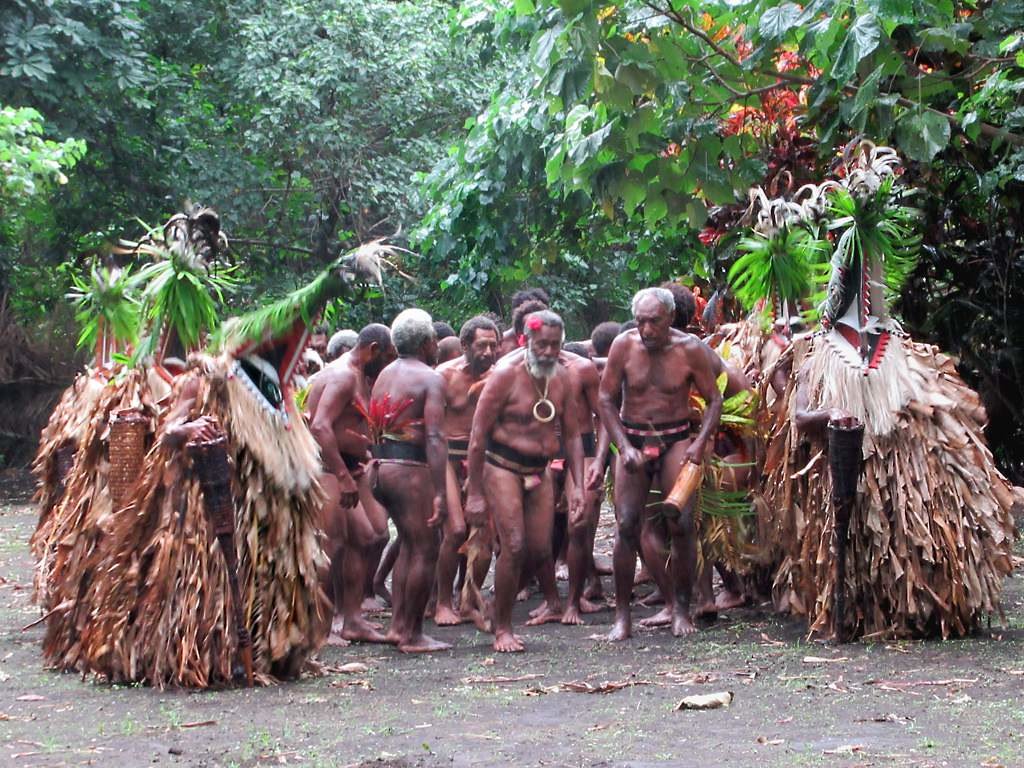
The Ni-Vanuatu people are predominantly Melanesian, and their culture — known as kastom — is very much alive. Villages across the islands maintain traditional practices, land rights, and ceremonies that have changed little in centuries. This isn't a museum piece: it is daily life for most of the population, and it is the main reason to come.
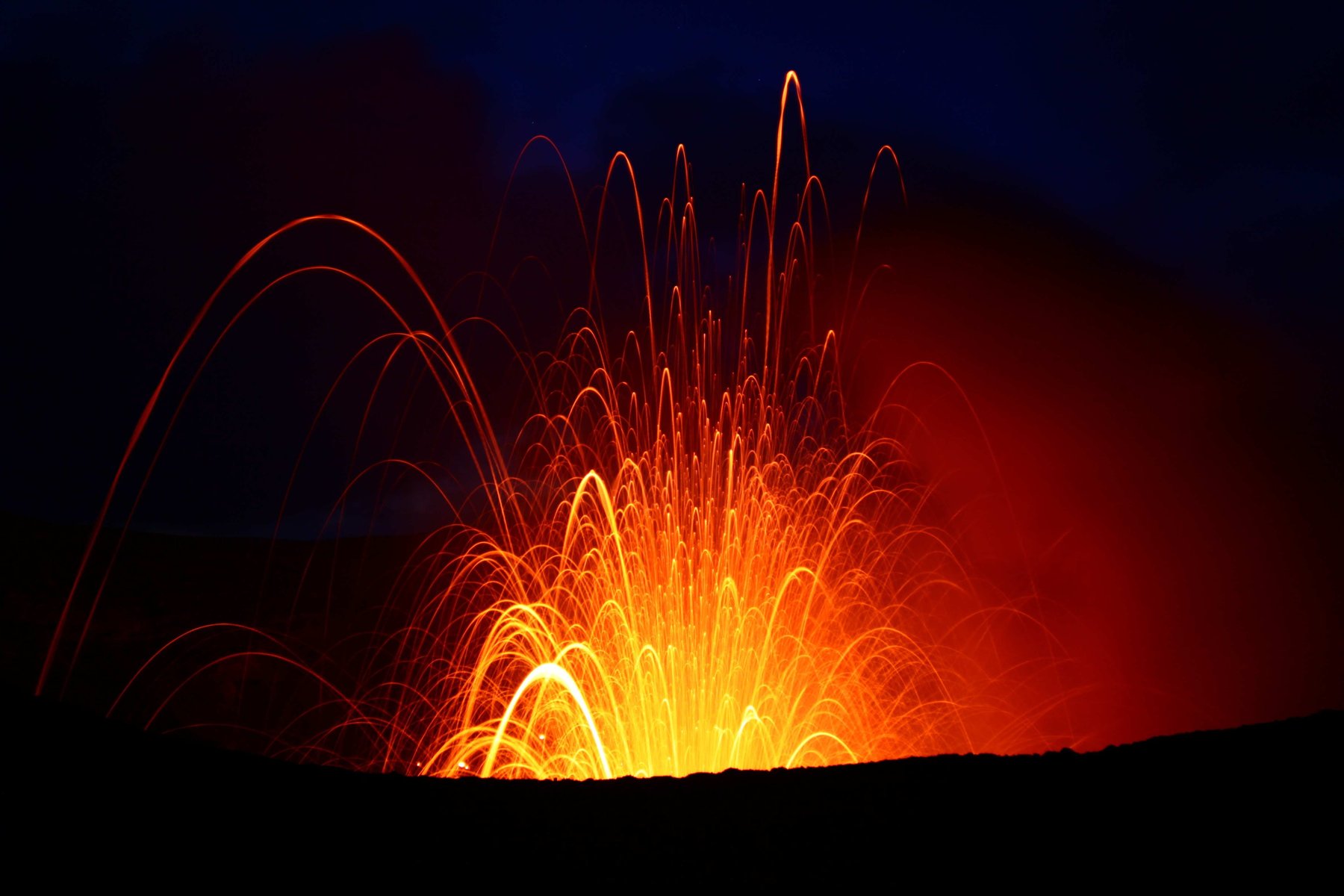
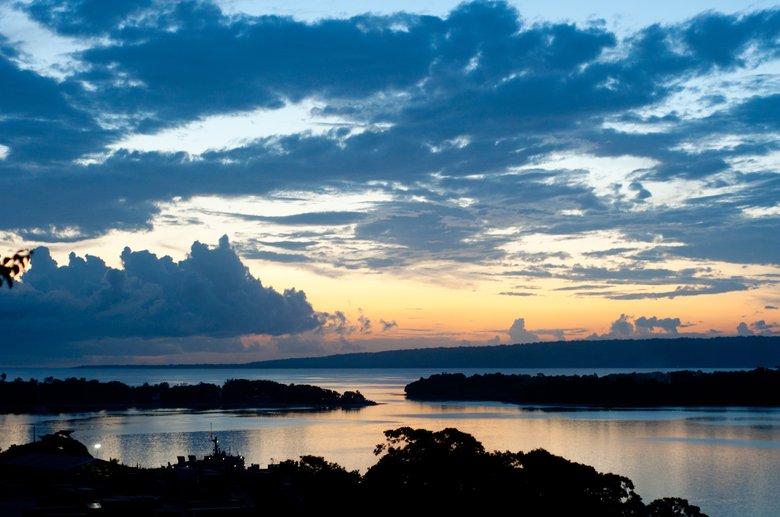
Port Vila on Efate is the capital and the main entry point. It is a small, walkable city with good restaurants, a lively waterfront market, and easy access to offshore reef diving. Espiritu Santo to the north is the largest island and a base for wreck diving and jungle treks. Tanna draws visitors for Mount Yasur — one of the most accessible active volcanoes on earth — and for the kastom villages of the interior. Pentecost is famous for the Naghol land dive, the ritual that inspired bungee jumping, performed each year from April to June. Ambrym has two active calderas and is regarded as one of the world's great volcanic landscapes.