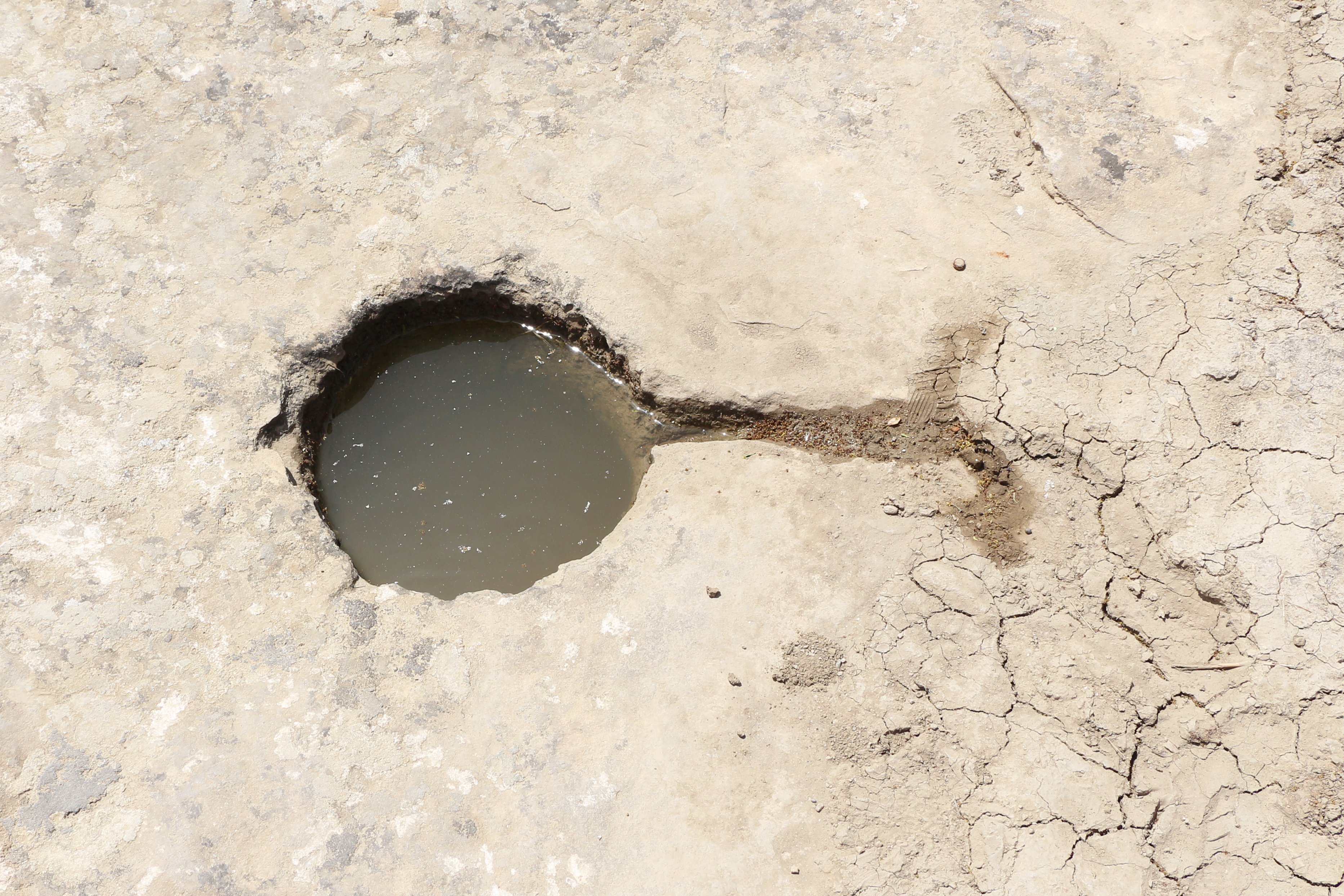
Gobustan, about 65 km southwest of Baku, is home to thousands of rock engravings spread over 100 square kilometres — one of the densest concentrations of petroglyphs in the world. The carvings at the Gobustan Rock Art Reserve depict hunting scenes, dances, ships, constellations, and animals, with the oldest dating from the 12th millennium BC. Later visitors left their marks too: a graffito from Trajan's Roman legionnaires is among the easternmost Latin inscriptions ever found.
The petroglyphs were discovered accidentally by quarry workers in the 1930s. The modern museum adjacent to the site is well designed and houses ornaments, flints, shells, and tools found in the caves — including objects of non-Caspian origin, evidence of ancient trade links with Europe and the Indian subcontinent. Do not miss the gaval dash — a flat resonant stone that has been used as a musical instrument since prehistoric times.
Beyond the petroglyphs, the area has extraordinary landscape. About 7 km south of Gobustan, near the road to Alat, a field of mud volcanoes creates a surreal, almost lunar horizon. They are worth the detour.
If you are travelling from Baku, take the bus toward Alat and get off at the Gobustan sign. Plan your visit carefully — there is no accommodation in Gobustan itself, so most people come as a day trip from Baku.