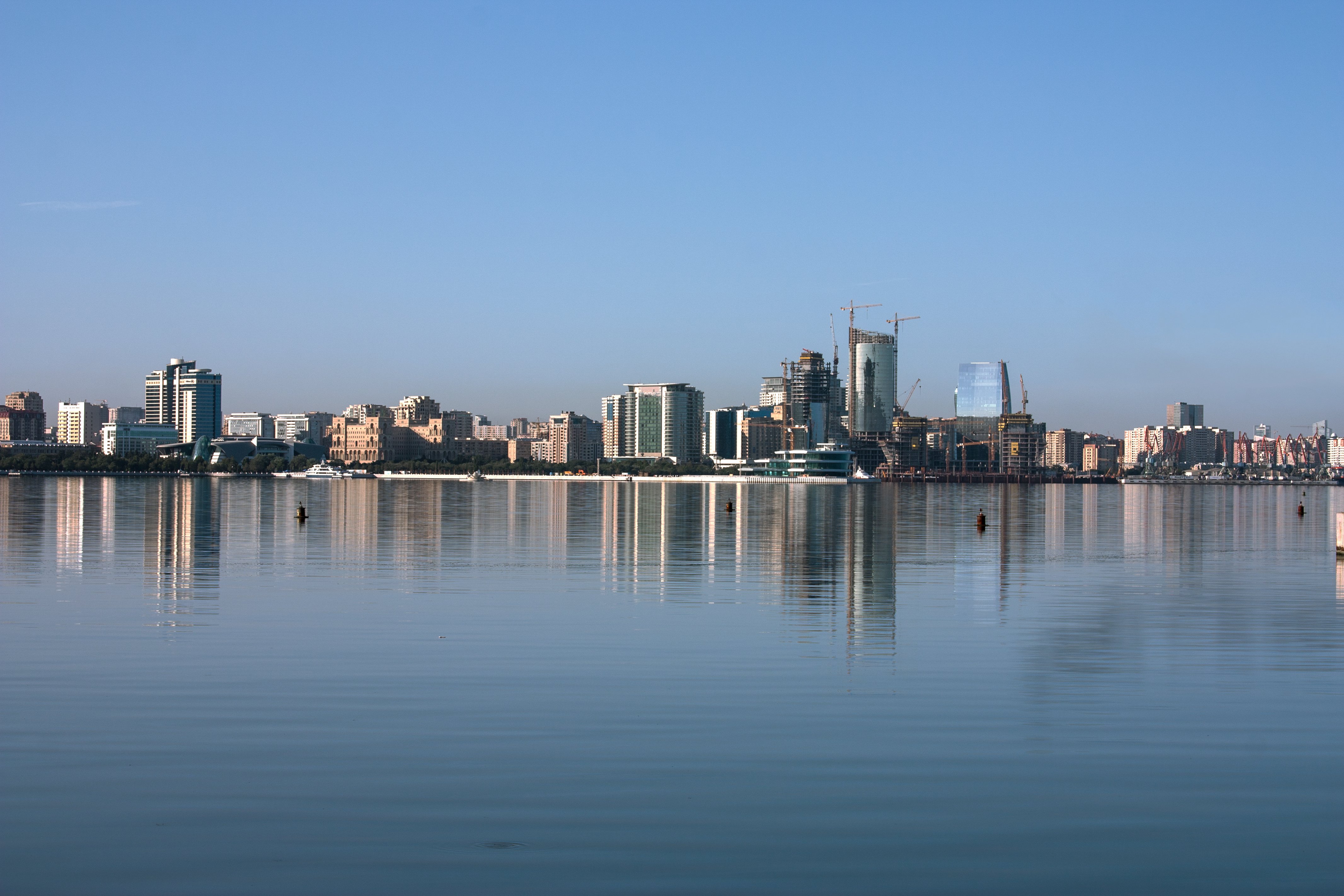
Baku is the capital and largest city of Azerbaijan, a sprawling metropolis on the western shore of the Caspian Sea that has reinvented itself dramatically since the oil boom of the 2000s. The skyline now features the Flame Towers — three glass skyscrapers shaped like tongues of fire that have become the city's most recognizable landmark — alongside Soviet-era blocks, Belle Époque mansions from the first oil boom of the 1890s, and the medieval walls of the Old City.
The Icherisheher, or Old City, is the historic heart of Baku and a UNESCO World Heritage Site. Its narrow, winding lanes are packed with carpet shops, tea houses, and caravanserais, and the Maiden's Tower and the Palace of the Shirvanshahs are the standout monuments. Just outside the walls, Fountain Square and the pedestrian Nizami Street form the modern center, lined with cafes and boutiques. The Heydar Aliyev Center, designed by Zaha Hadid, is a striking piece of architecture worth visiting for the building alone.
Baku is a city of contrasts. The wealth from oil is visible in the new buildings and wide boulevards, but step a few streets back from the waterfront promenade and the city feels more like a post-Soviet capital working through its growing pains. The food is excellent — try plov (rice pilaf with lamb and dried fruits), kutabs (stuffed flatbreads), and the region's distinctive pomegranate-laced cuisine. The surrounding Absheron Peninsula has fire temples and mud volcanoes that speak to Azerbaijan's ancient association with fire and petroleum.