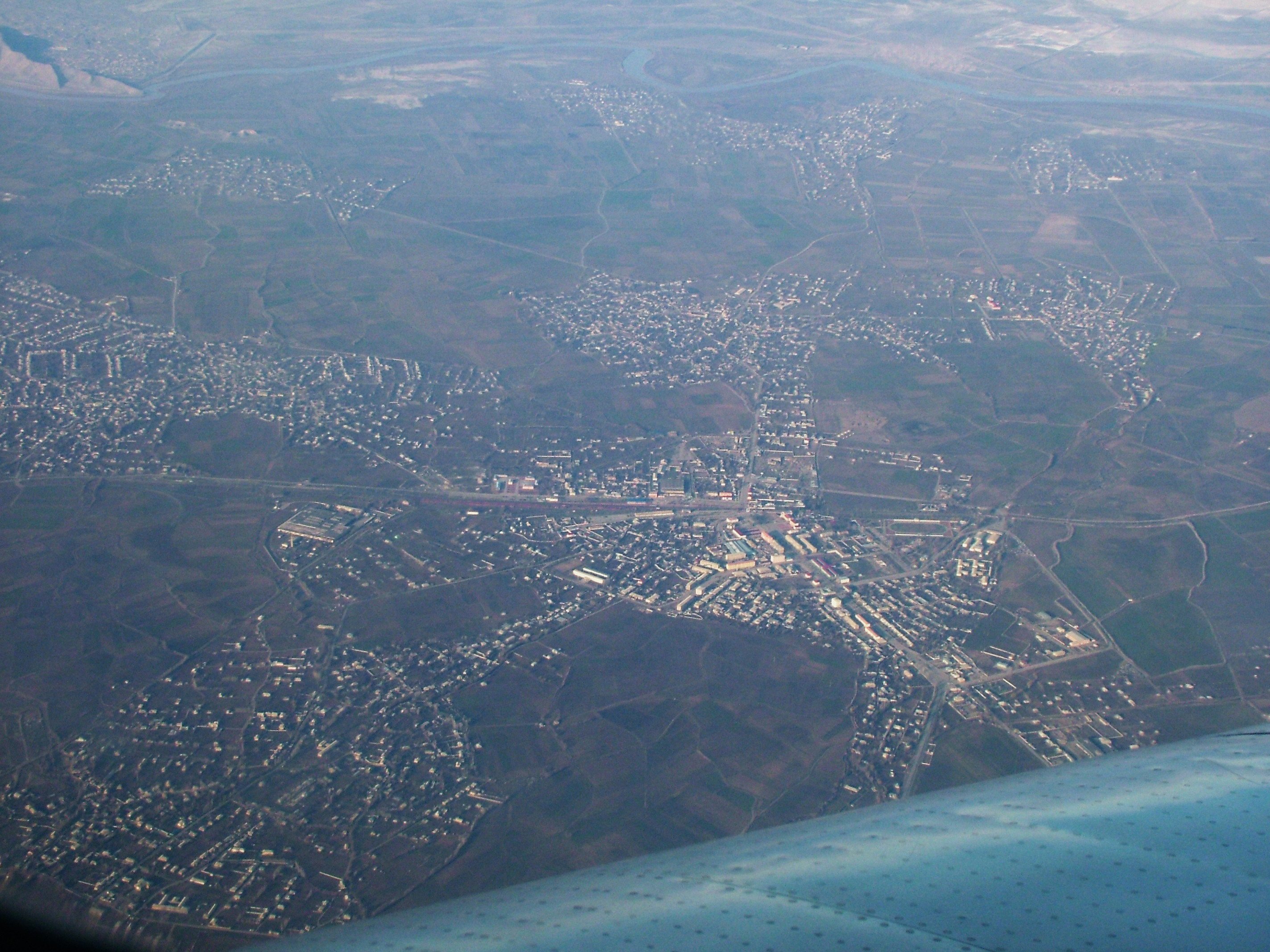
Nakhchivan Autonomous Republic is Azerbaijan's exclave — a detached fragment of the country separated from the main territory by Armenia. Getting here requires flying, crossing through Iran, or crossing through Turkey. Despite the geographic awkwardness, it is worth the effort: the landscape is dramatic, the history is deep, and the tourist infrastructure, while basic, exists.
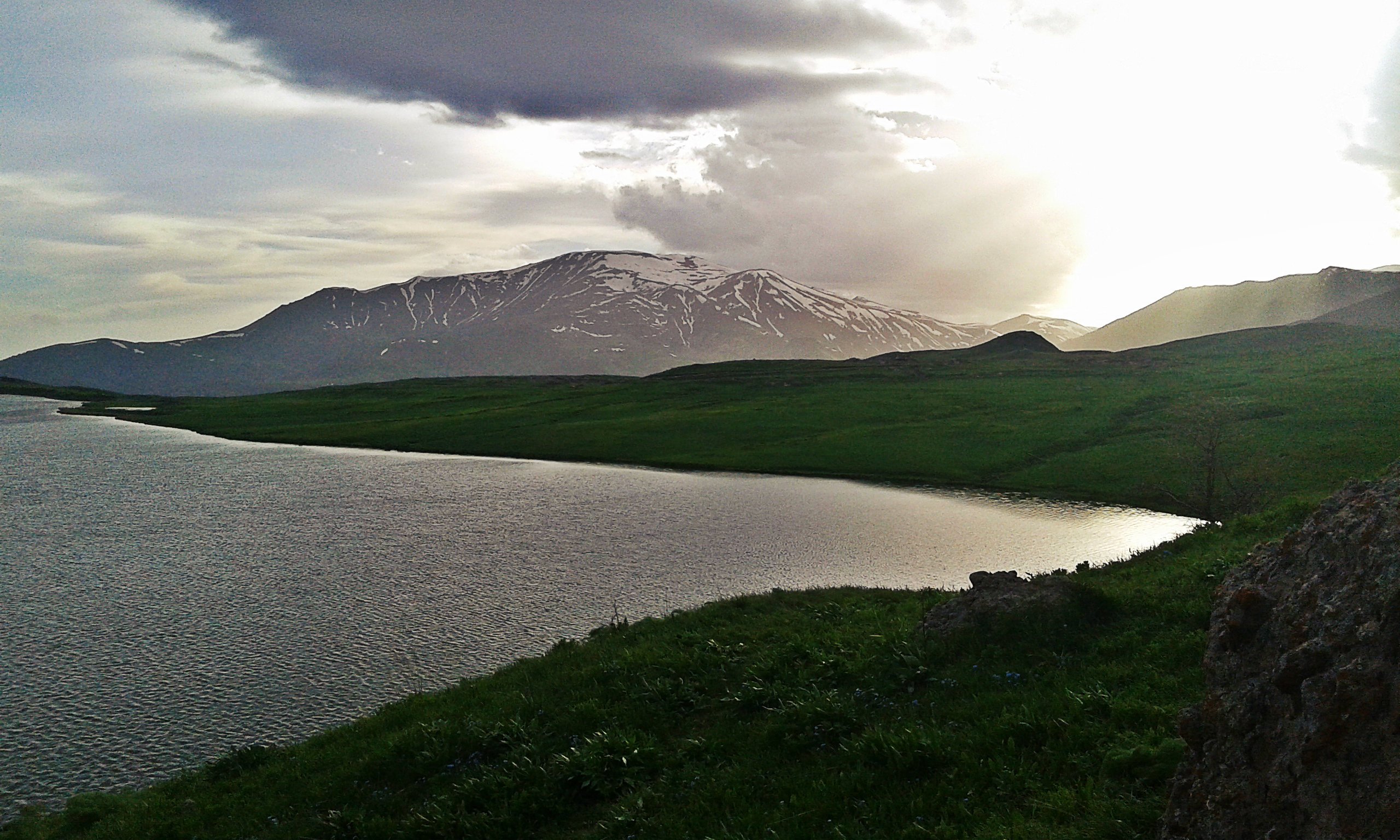
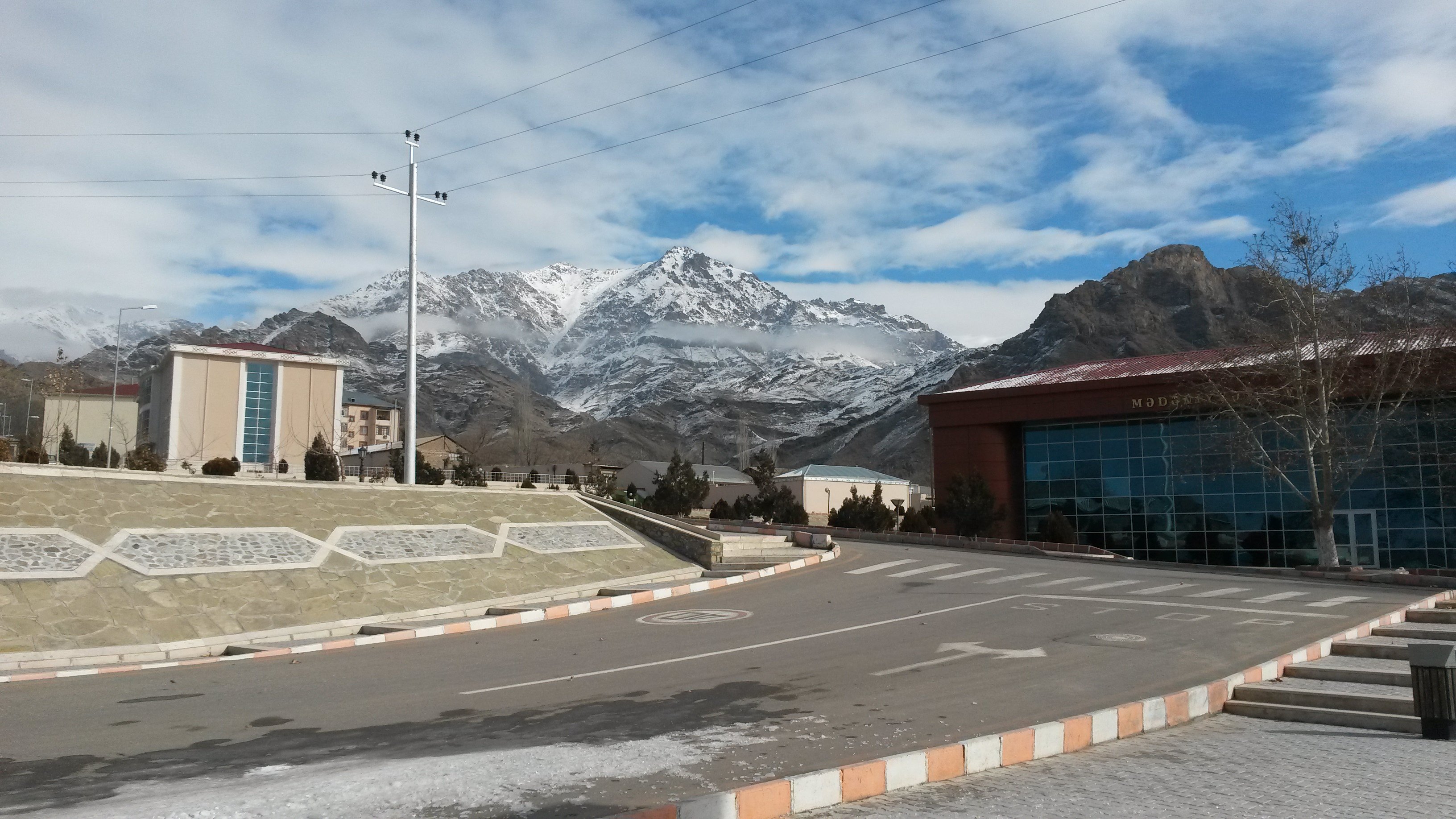
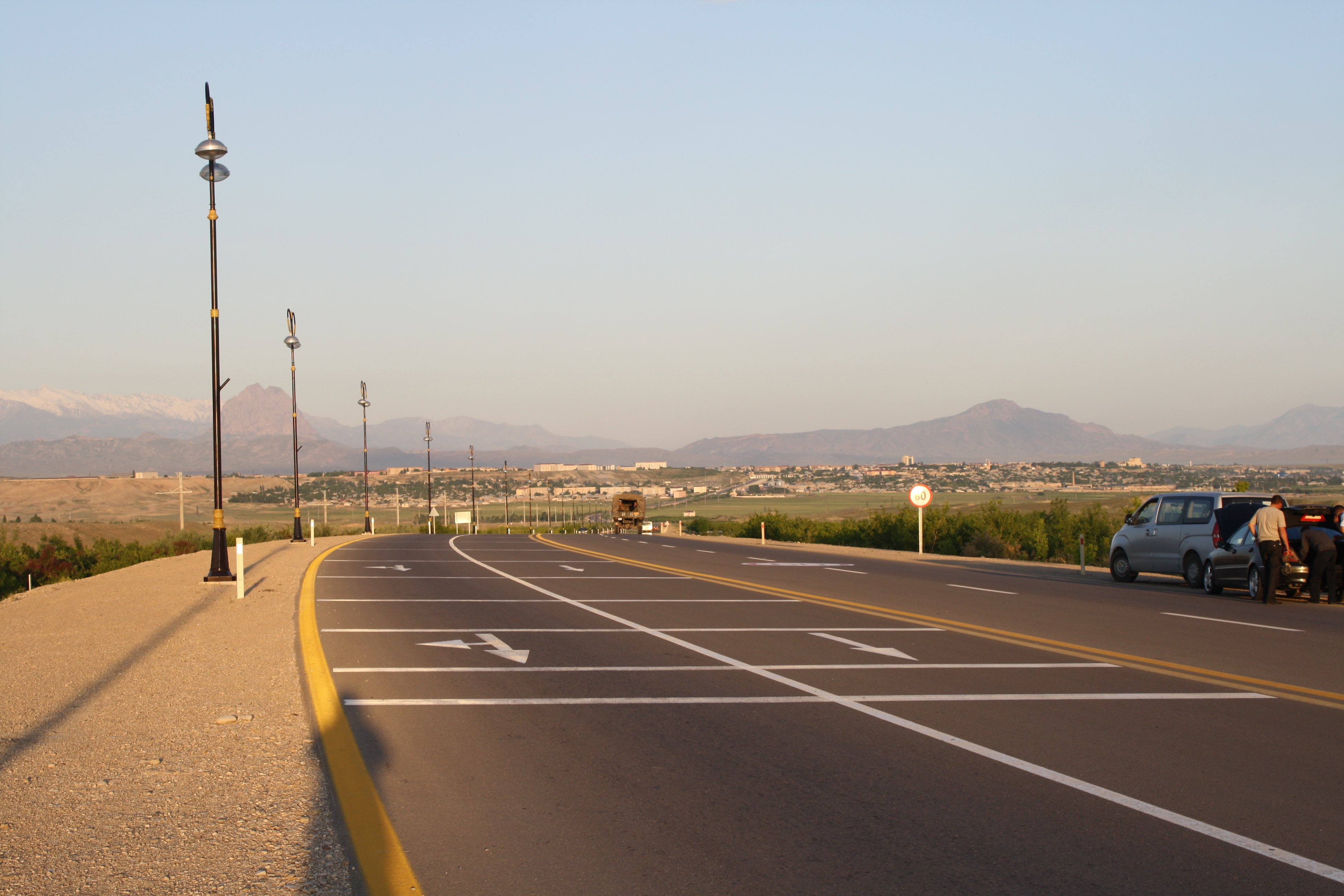
The exclave covers about 5,500 sq. km and is predominantly mountainous. Nearly 75% of the territory sits above 1,000m. The Zangezur range along the Armenian and Iranian borders rises to 3,904m at Gapydjik. The lower plains around the Araz river valley are semi-arid and striking in a parched, end-of-the-world way.
The climate is continental with cold winters and hot, dry summers. Nakhchivan city and the Araz plain can be intensely hot in July and August. Spring and autumn are the most agreeable times to visit.
Nakhchivan's isolation from the rest of Azerbaijan dates from 1924, when the Zangezur corridor was assigned to Soviet Armenia — a Stalin-era border decision with consequences that have never been resolved. The road and rail links to Baku were severed with the outbreak of the Nagorno-Karabakh conflict in the early 1990s. The exclave survived its effective blockade through ties with Turkey and Iran, and is now better connected than it was. Azerbaijan completed a new transport corridor (the Zangezur corridor) as part of the 2020 ceasefire agreement, which should eventually restore a land link.
The main cultural highlight is the Momine Khatun Mausoleum (1186) in Nakhchivan city — an eleven-sided brick tower decorated with geometric Kufic inscriptions, considered one of the finest surviving examples of Seljuk architecture anywhere. The architect, Ajami Nakhchivani, also built a second mausoleum in the city.
Wine has been made here for millennia. Local varieties such as bayan-shiraz and tebrizi ripen in the Araz valley's hot, dry conditions, and the resulting wines — relatively obscure outside the region — are worth seeking out.
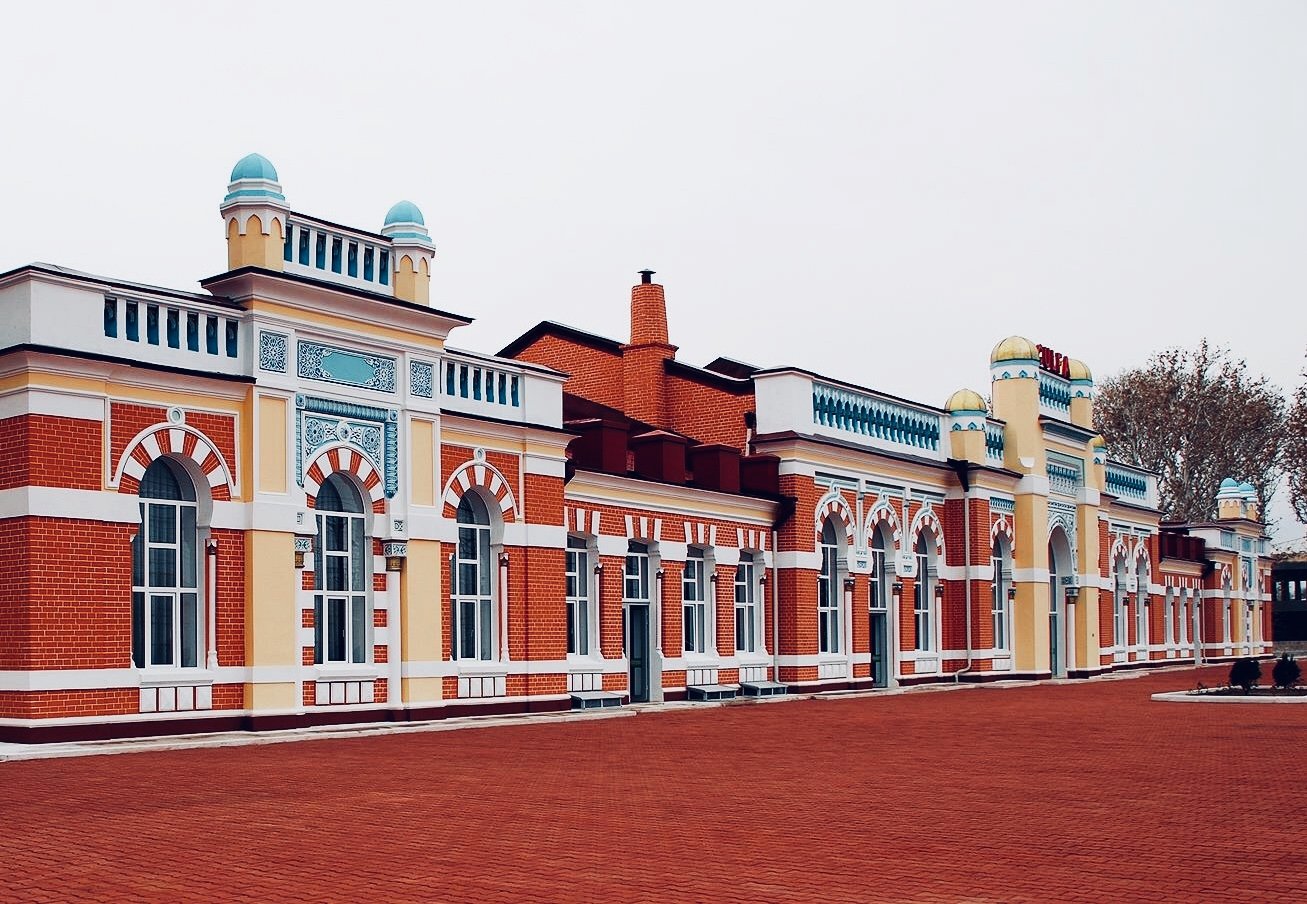
Getting there: AZAL flies Baku–Nakhchivan regularly. You can also cross at the Julfa/Culfa border post into Iran and continue to the Iranian city of Jolfa, from where trains run to Tabriz. The Turkey border at Sadarak/Dilucu is open limited hours; check current crossing times.