Zvornik is a city on the Drina river in northeastern Bosnia and Herzegovina, on the border with Serbia. The town of Mali Zvornik lies directly across the river on the Serbian side. Zvornik is administratively part of Republika Srpska and sits on the main road between Sarajevo and Belgrade.
First mentioned in 1410 as Zvonik ("bell tower"), Zvornik's position on the Drina made it an important trade link between Bosnia and the east for centuries. Under Ottoman rule it was the capital of the Zvornik sanjak, one of the empire's key administrative regions in the area.
The city's recent history is painful. Before the Bosnian war, the municipality had a Bosniak majority. In 1992, the Bosniak population was driven out through ethnic cleansing, with mass killings in the city and surrounding villages. The demographic transformation was total — the mosques and much of the Bosniak cultural presence were destroyed. Since the war, there has been a gradual effort to support the return of refugees, though the city today remains overwhelmingly Serb.
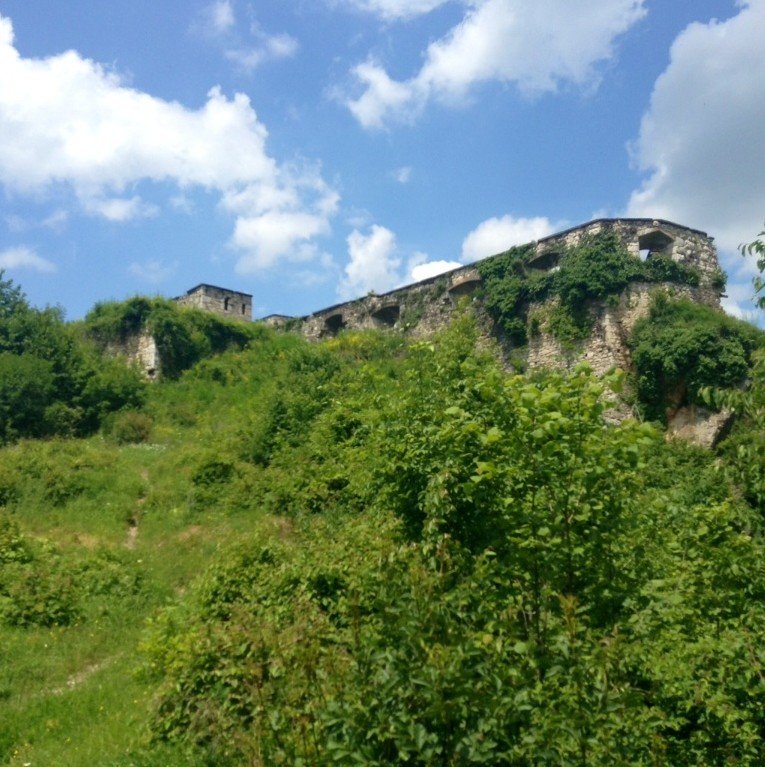
Above the city, the Zvornik Fortress — a medieval fort later expanded by the Ottomans — offers views over the Drina valley. The fortress is freely accessible and worth the short climb. South of the city, Zvornik Lake stretches along the Bosnia-Serbia border, a reservoir created by a hydroelectric dam that is popular with local fishermen.