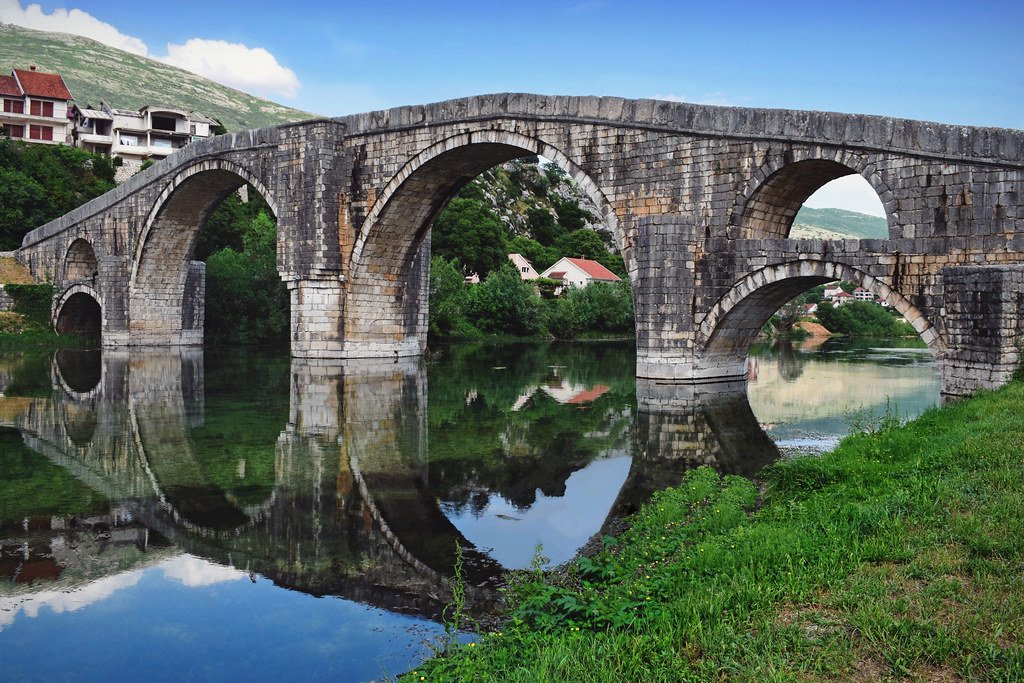
Bosnia and Herzegovina is a country that defies easy summary. It is a place of extraordinary natural beauty — deep river canyons, dense forests, medieval villages — where the legacy of the 1992–1995 war is still visibly and emotionally present. Coming here means engaging with both: the landscape and the history are inseparable.
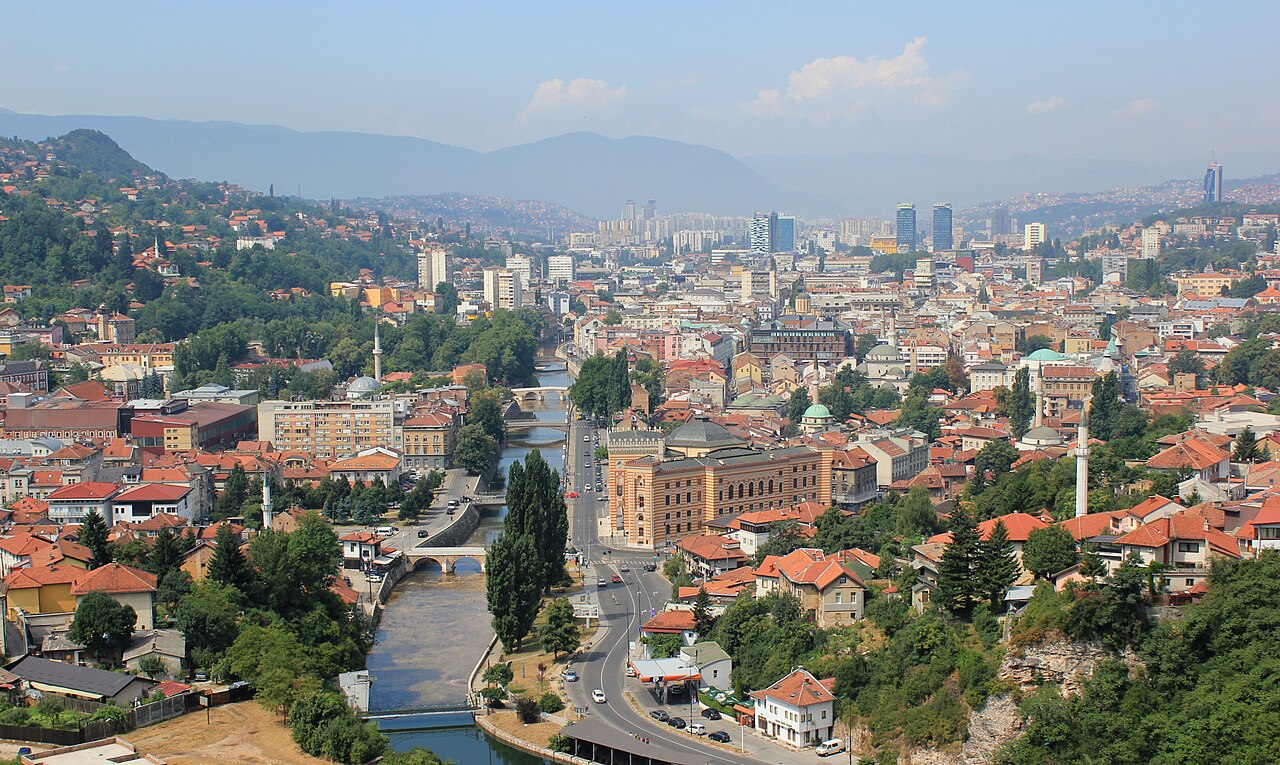
Sarajevo is the capital and the city most visitors come for. It is genuinely unlike anywhere else in Europe: a place where Ottoman mosques, Austro-Hungarian boulevards, Orthodox churches, and synagogues exist within walking distance of each other, and where the city's survival of a four-year siege in the 1990s has left a complex, proud, sometimes melancholy character. The Old Town (Baščaršija) is beautiful, the food is excellent, and the locals are among the most welcoming you will meet anywhere.
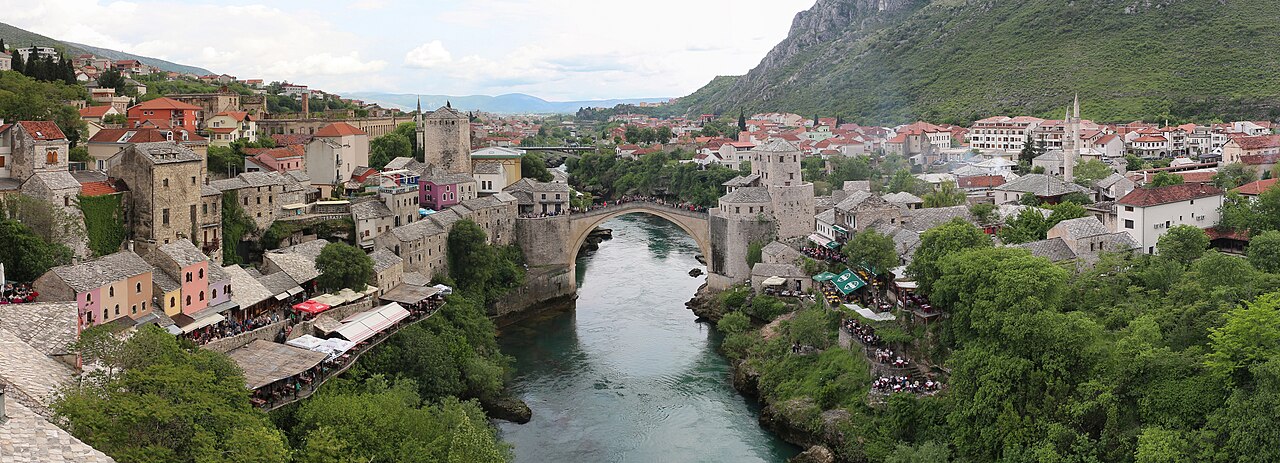
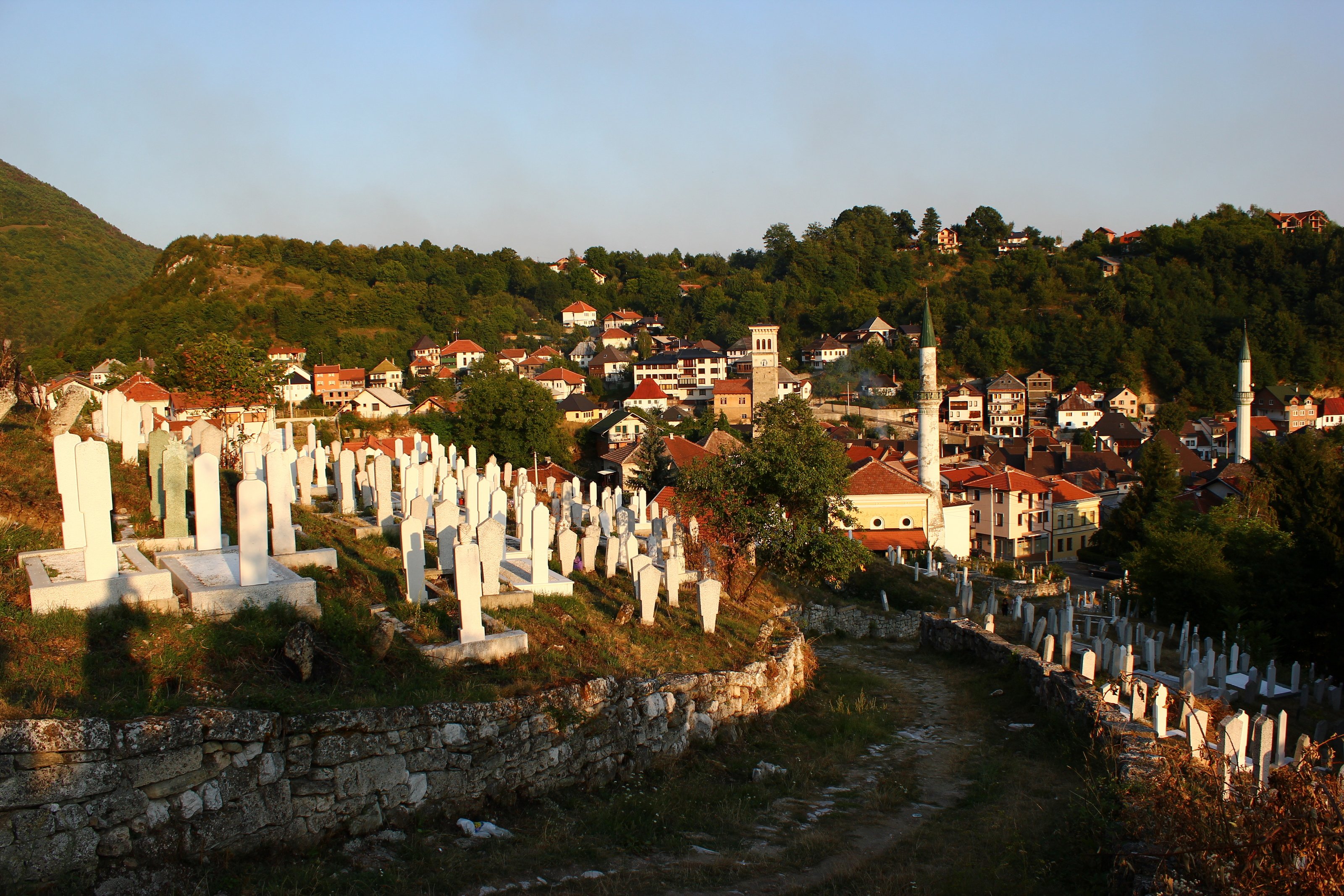
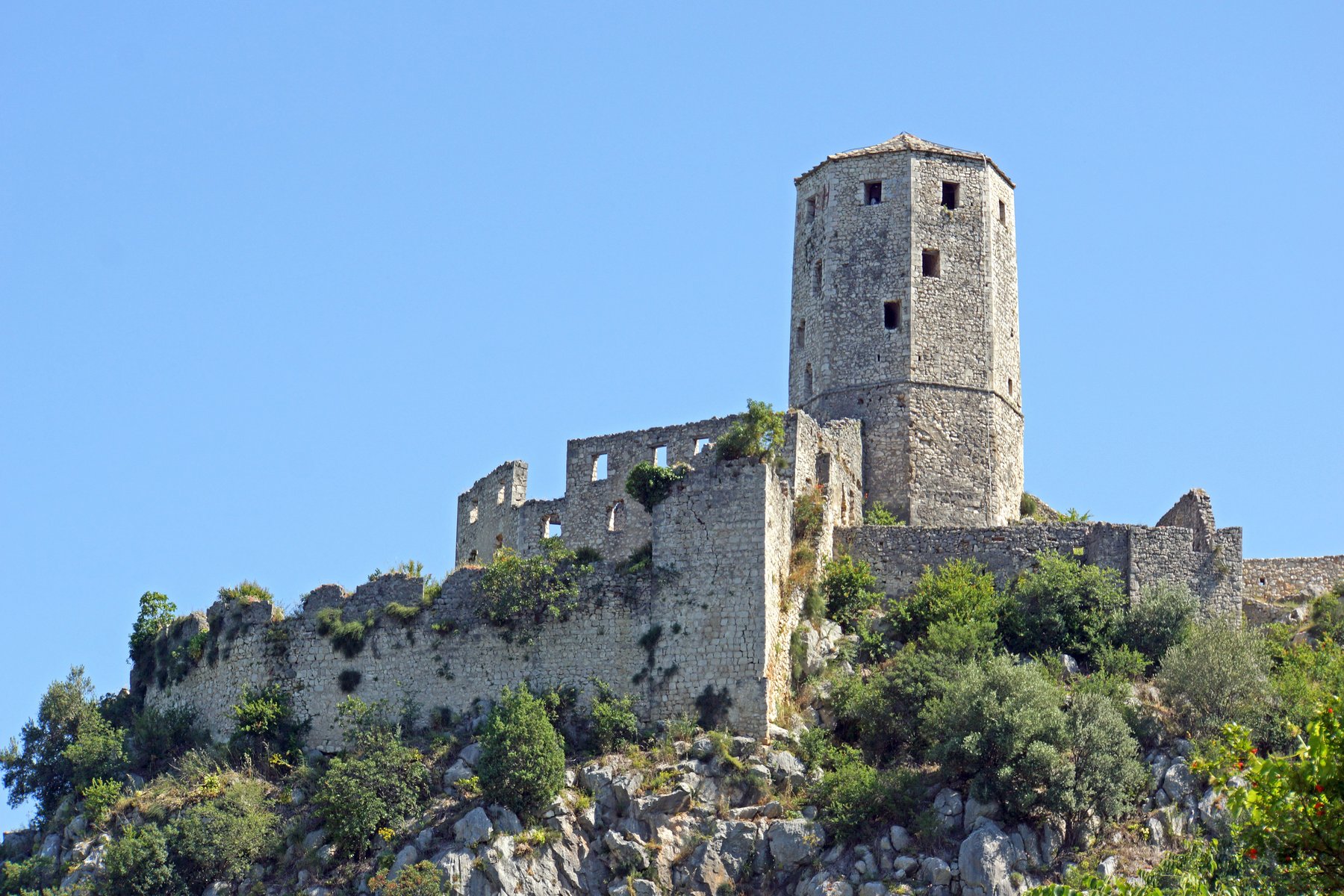
Mostar has one of the most famous bridges in the world — the reconstructed Stari Most (Old Bridge), an Ottoman arch over the turquoise Neretva that was deliberately destroyed in 1993 and rebuilt in 2004. The town around it is lovely, though quite touristed. Banja Luka, the second city and administrative capital of the Republika Srpska entity, has a pleasant café culture and the Kastel fortress. Travnik, a former Ottoman capital in the mountains, rewards a stop. Pilgrims fill Medjugorje year-round — it is one of the most-visited Catholic shrines in the world, following reported Marian apparitions since 1981.
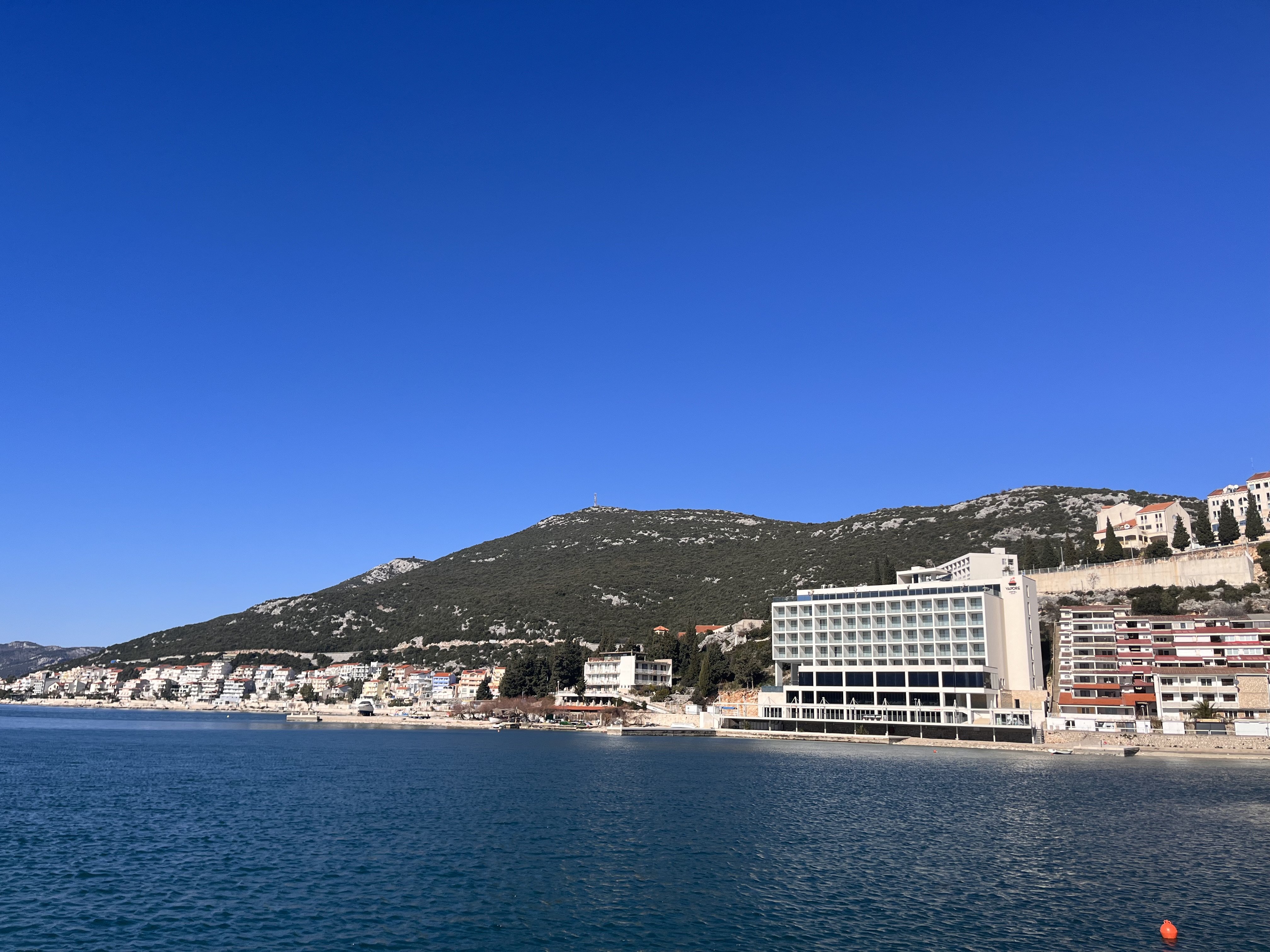
The countryside is spectacular. The Rakitnica Canyon and the upper Neretva river valley are among the wildest places in the Balkans. Bosnia has a relatively short coastline — just a few kilometers near Neum — but the interior more than compensates with rivers, mountains, and a landscape that is still largely intact. The currency is the Konvertibilna marka (KM), pegged to the euro at roughly 2:1.