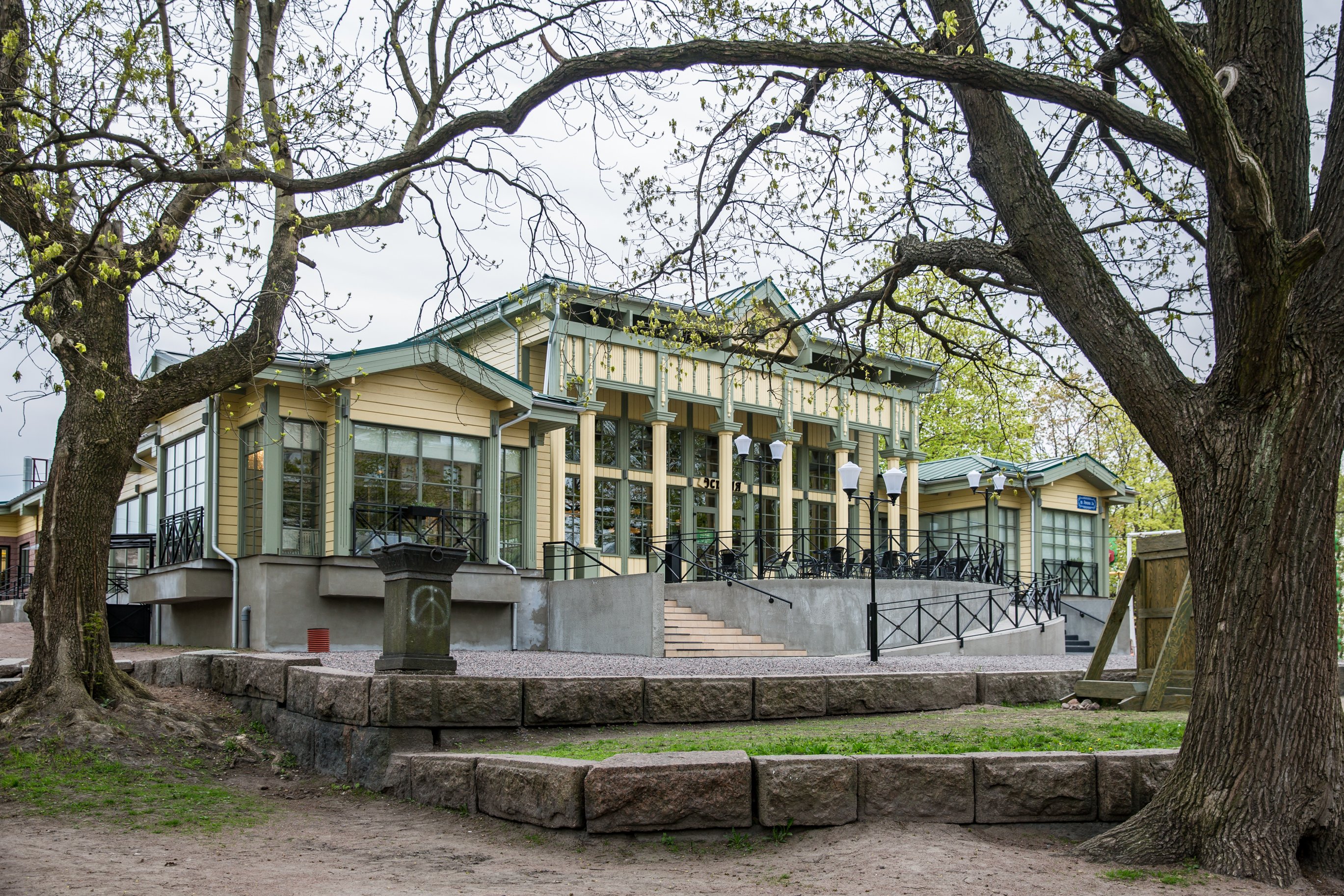
Vyborg — Viipuri in Finnish — was Finland's second-largest city until it was ceded to the Soviet Union in 1944 at the end of the Continuation War. Today it is part of Russia's Leningrad Oblast, about 70 km west of St Petersburg. For Finns it remains a city of profound loss and memory; for travellers arriving from Russia, it is one of the most historically layered small towns in northern Europe.
The city had a major Finnish and Swedish cultural presence for centuries. The Vyborg Castle was founded by Swedish crusaders in 1293 and still dominates the bay. Alvar Aalto's Vyborg Library, completed in 1935 during the last years of Finnish sovereignty, is one of the seminal works of 20th-century architecture. The Monrepos Park, a romantic landscape park of extraordinary quality, lies just outside the old town on a rocky Baltic island. The Round Tower at the market square and the Hermitage-Vyborg Center with its rotating exhibitions round out a day of sightseeing.
Note: As of 2022, the Russia–Finland border is closed to regular tourist travel and all road, rail, and ferry crossings between the two countries are suspended. Day trips and cruises from Lappeenranta through the Saimaa Canal to Vyborg are not currently possible. Visiting Vyborg requires travelling via Russia, typically from St Petersburg by bus or train (about two hours). Check the current situation before making any plans.
For those with an interest in Finland's lost Karelia, the area is a subject of significant historical memory and literature. The Karelian Association in Finland preserves documentation and memories of the displaced communities.