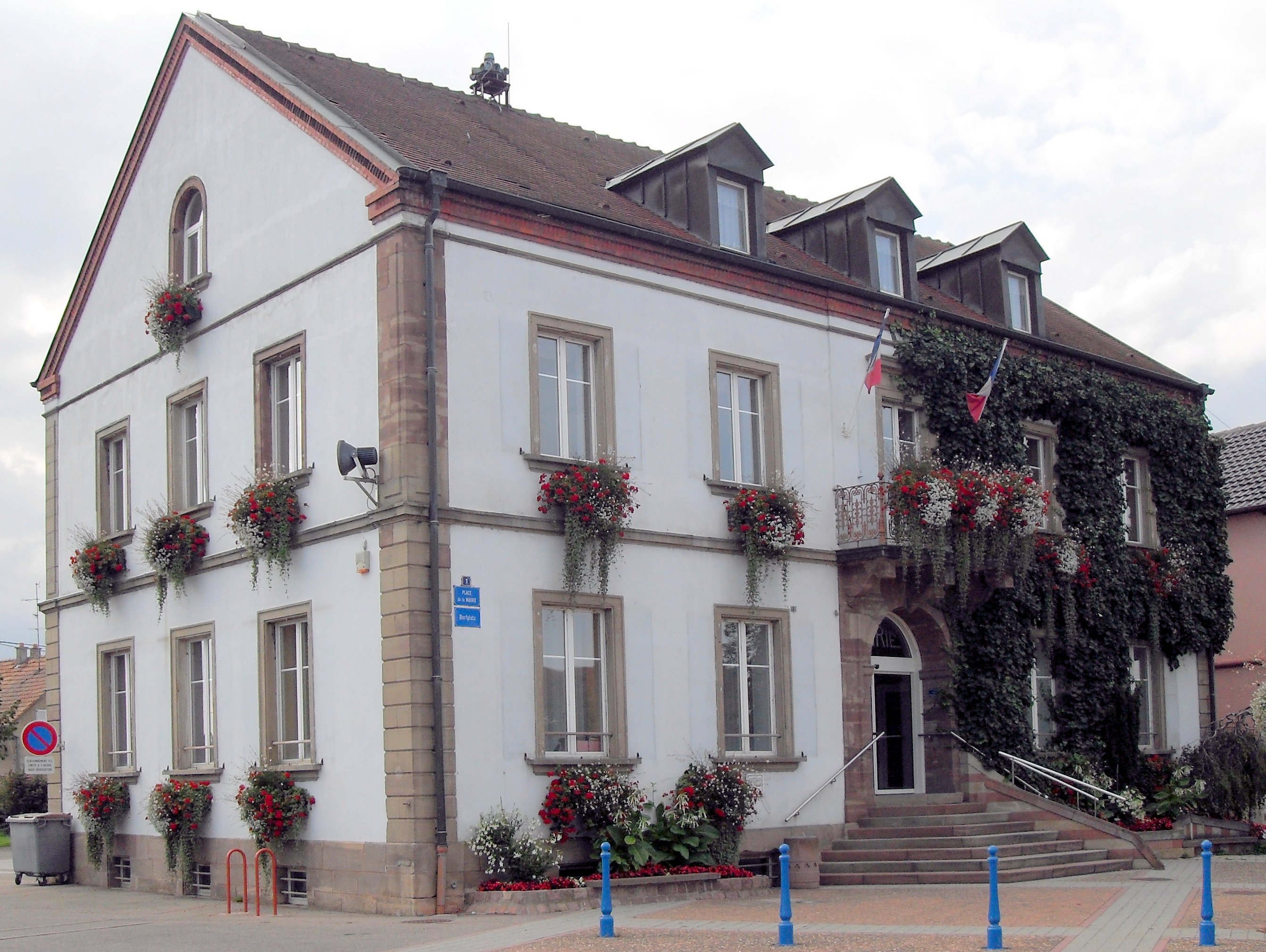
Ungersheim
©
Ungersheim

Ungersheim

Alsace village near Mulhouse, known for the Écomusée d'Alsace open-air museum and reconstructed rural houses.

Ungersheim is a small village in the Alsace plain near Mulhouse, best known as the home of the Écomusée d'Alsace — one of the largest open-air museums in France. The museum has reconstructed over 70 authentic Alsatian buildings moved from their original locations across the region, including farmhouses, a forge, a schoolhouse, and a working stork sanctuary.

The experience is engaging rather than just educational: craftspeople demonstrate traditional trades, farm animals roam the grounds, and the reconstructed village gives a vivid sense of rural life before modernisation. Plan at least half a day here.

Guide

Bars and Cafes

Options outside the Écomusée are very limited. The museum itself has a café that serves as the practical rest stop during a visit.

Guide

Books

Reading around Alsace adds depth to a visit — this is a region whose history, architecture, and cuisine have been shaped by centuries of belonging alternately to France and Germany.

  • DK Eyewitness Alsace & Lorraine — reliable visual guide with good coverage of the Écomusée and the major towns; useful for planning a wider trip through the region.
  • Michelin Green Guide Alsace Lorraine Champagne — the classic route-based guide with strong detail on heritage sites, wine villages, and the Route des Vins.
  • Alsace: Traditions and Recipes (various authors) — Alsatian cuisine and folk traditions are inseparable; a good food-culture book illuminates what the Écomusée's craftspeople and kitchens are demonstrating.
  • The Strasbourg Affair or similar Alsace-set fiction — several thrillers and literary novels use Alsace's Franco-German complexity and border identity as backdrop, giving a feel for the region's layered character that a guidebook cannot.
Guide

Day Trips

Ungersheim is well placed for exploring the best of Alsace.

Colmar (25km north) is the most obvious next stop — a beautifully preserved medieval town with canals, colourful half-timbered houses, and the Petite Venise quarter reflected in the water. The Unterlinden Museum houses the Isenheim Altarpiece, one of the great works of northern European art.

Mulhouse (15km southeast) is an industrial city with unexpectedly excellent museums, including the Cité de l'Automobile — the largest car museum in the world — and the Cité du Train for railway history.

Route des Vins d'Alsace begins just west of Ungersheim. The classic Alsace wine trail threads through Riquewihr, Kaysersberg, and Eguisheim, passing vineyards, stork nests, and wine cellars. Allow a full day to drive it properly.

Eguisheim (20km north) is consistently rated one of France's most beautiful villages. Its circular medieval centre of pastel half-timbered houses can be walked in under an hour, but few places in Alsace are more photogenic.

Guide

Eating Out

The Écomusée has its own restaurants serving traditional Alsatian food, which makes sense given that you are likely to spend most of the day inside. Options in the village itself are very limited, so plan to eat within the museum complex.

Guide

Getting Around

The Écomusée itself is explored entirely on foot across its 15-hectare site — comfortable shoes are advisable. The village outside is tiny and equally walkable. A car is useful if you plan day trips to Colmar, the wine route villages, or Mulhouse.

Guide

Getting There

By car, Ungersheim is about 15 minutes from Mulhouse via the A35 and D430, and around 25 minutes from Colmar. By public transport, take a train to Mulhouse then a bus, or use the tram-train T3 toward Bollwiller followed by a taxi for the last stretch. Cycling is feasible via the Rhine cycle route and the flat trails of the Alsace plain.

Guide

When to Go

The Écomusée is fully open from April through October, and this is the best time to visit. Come in summer to see stork chicks in the nest and to catch outdoor events and demonstrations. Autumn brings a harvest festival with a particularly festive atmosphere. Some buildings remain open year-round, but the full experience — outdoor craftspeople, farm animals, seasonal gardens — requires the warmer months. Check the Écomusée website for current seasonal programming before you go.