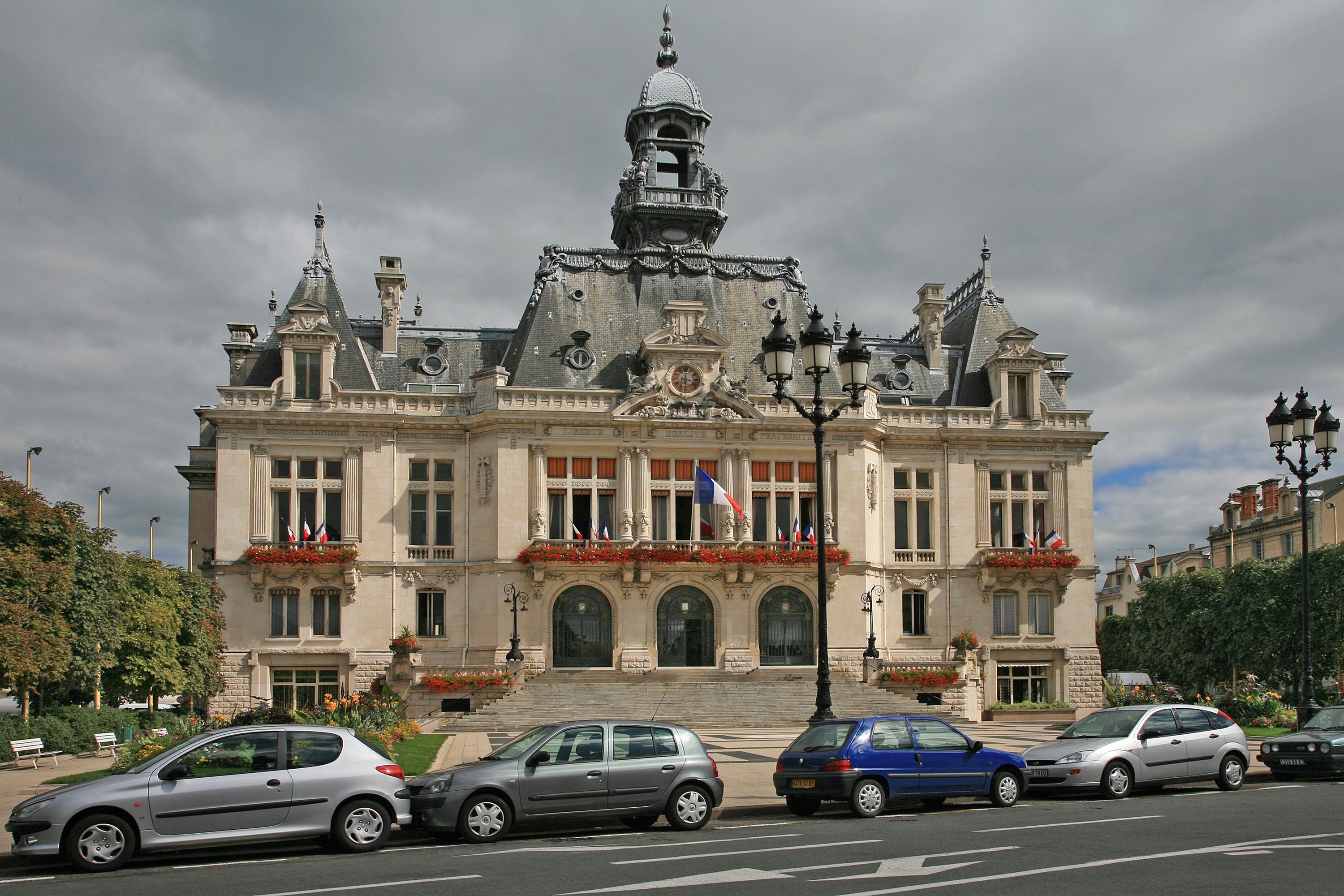
Vichy occupies a peculiar and layered position in French consciousness. It is, on one hand, a handsome Belle Époque spa town on the Allier river, full of grand hotels, ornate casinos, and manicured parks built to accommodate the fashionable patients who came to take the waters in the nineteenth century. On the other, it is the city whose name became synonymous with collaboration: from 1940 to 1944 the resort's hotels served as government ministries, and the regime that operated here passed some of the darkest legislation in French history. Both realities coexist in the same streets, and the city has in recent decades worked seriously to confront rather than suppress the second.
The thermal springs themselves remain Vichy's reason for being. The Parc des Sources, a long shaded promenade at the heart of the city, links several of the original pump rooms where visitors still come to drink the mineral-rich waters — each spring with a different mineral composition and a different, often sulfurous, taste. The Hall des Sources, a vast iron-and-glass pavilion, covers the principal springs and functions as a gathering place as much as a drinking hall. The Centre Thermal des Dômes offers the full range of thermal treatments, from mineral baths and hydrotherapy to more contemporary wellness programs, in a setting that mixes nineteenth-century grandeur with modern facilities.
The architecture along the central boulevards is worth serious attention. Vichy accumulated more grand hotels and ornate public buildings per square meter than almost anywhere in France, all constructed in the confident late-Victorian and Edwardian style that was fashionable when the resort was at its height. The Opéra de Vichy, a wedding cake of a building completed in 1901, still hosts a full program. The Grand Casino facing the Parc des Sources has been restored and is one of the best examples of its kind in France. A dedicated walking circuit of WWII sites, including the Hôtel du Parc where Pétain had his offices and the nearby Hôtel des Ambassadeurs that housed the German Armistice Commission, provides a sobering counterpoint to the resort's pleasures.
The Allier river and its associated lakes on the southern edge of the city add a natural dimension that surprises many visitors. The Lac d'Allier and the adjacent parks form a broad green corridor ideal for cycling, walking, or simply sitting by the water. The surrounding Auvergne countryside — volcanic hills, river gorges, medieval villages — is within easy reach, making Vichy a reasonable base for exploring central France as well as a destination in its own right.