Gioia Tauro
©
Gioia Tauro

Gioia Tauro

Calabrian Tyrrhenian port city on ancient Metauros, dominated by a major Mediterranean container terminal

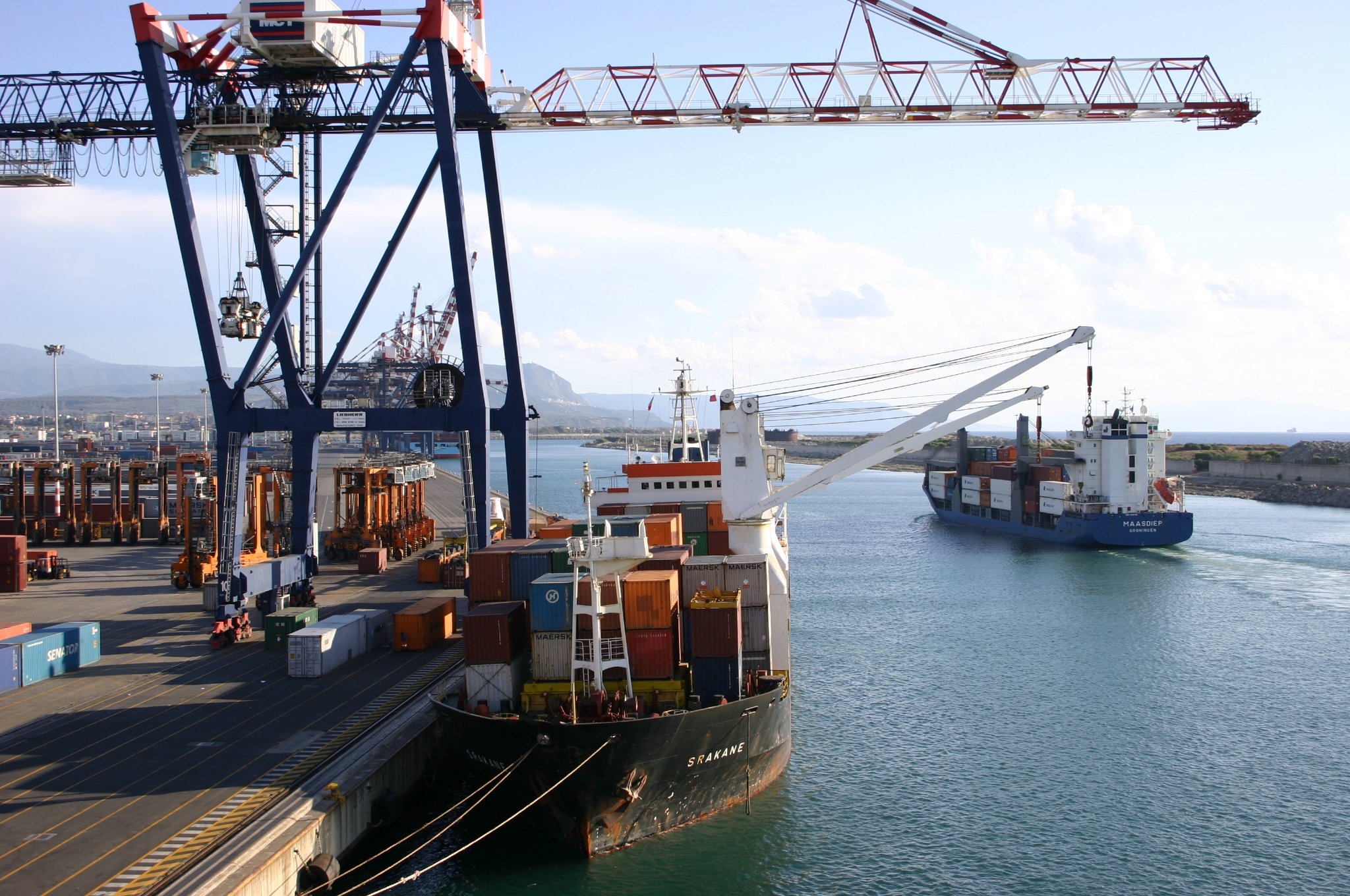
Gioia Tauro sits on the Tyrrhenian coast in the province of Reggio Calabria, the site of ancient Metauros, a Greek city of Magna Graecia. Today it is best known for its port, one of the largest container transshipment terminals in the Mediterranean — ships arrive from Asia and the Americas, exchange cargo, and depart without the goods ever touching Italian roads.

The Cittadella is the oldest quarter, home to the church of Sant'Antonio and several baroque buildings with handsome portals. Ruins of a Roman necropolis and villa can be found in the contrada Petra. Along the lungomare, the century-old Gaslini citrus plant is a local landmark. On clear days you can see Sicily and the Aeolian Islands across the water.

Palmi, 7 km south, has a cove beach framed by cliffs and remains popular with Italian visitors for its setting on the Costa Viola.

Guide

Beaches

Gioia Tauro's beach stretches about 3 kilometres, mostly sand with some pebbles. It is wide, uncrowded, and backed by a handful of lidos and beach bars in summer. On clear days you can see the Aeolian Islands and Capo Vaticano from the shore. The constant sea breeze makes it comfortable even in August.

For more dramatic scenery, Palmi (7 km south) has a cove beach framed by cliffs, and Scilla (20 km south) has a sandy stretch beneath its castle with views across to Sicily.

Guide

Eating Out

Gioia Tauro has a decent selection of restaurants and pizzerias serving traditional Calabrian food. Expect lots of chili, swordfish, and eggplant. Cash is more reliable than cards in the smaller places.

Guide

Getting Around

Gioia Tauro is small enough to cover on foot — the Cittadella, the lungomare, and the central market are all within easy walking distance of each other. The town centre is compact and relatively flat, making it comfortable to move between the historic quarter and the waterfront.

For day trips, a car makes things much easier. Palmi is 7 km south, Tropea is about 50 km north, and the ceramics town of Seminara is 15 km inland. The A2 motorway gives fast access up and down the Tyrrhenian coast. Local taxis are available from the central piazza. Trains stop at Gioia Tauro station on the Tyrrhenian line and connect north to Naples and south to Reggio Calabria.

Guide

Getting There

Gioia Tauro is well-connected by road and rail. It sits 2 km from the A3 motorway (Salerno--Reggio Calabria) and is a stop on the main train line, with direct services from Rome and Naples. The SS106 connects the Tyrrhenian and Ionian coasts via the Aspromonte mountains in about 35 minutes.

By air, Reggio Calabria airport is 45 km south and Lamezia Terme airport is 70 km north. Both have connections to Rome and Milan, and Lamezia has some low-cost European routes.

Guide

Things to Do

Gioia Tauro is a practical base for exploring the southern Tyrrhenian coast. The Cittadella, the oldest quarter, has baroque buildings and the church of Sant'Antonio. In contrada Petra you can see ruins of a Roman necropolis and villa.

The Monday morning street market on Viale Don Sturzo runs from 8 AM to 1 PM and is a good place to find local produce, clothes, and household goods. Along the lungomare, the century-old Gaslini citrus plant makes an atmospheric backdrop for evening walks, especially in summer when free concerts are held there.

From here, day trips to Tropea, Scilla, and the ceramics workshops of Seminara are all straightforward.