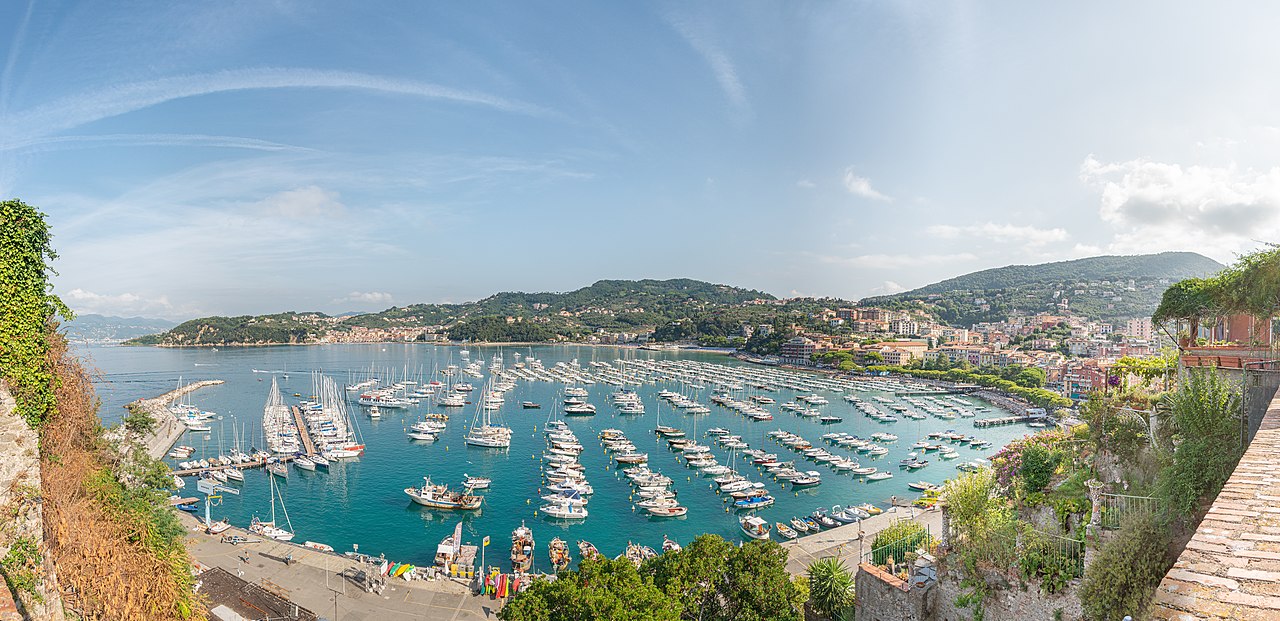
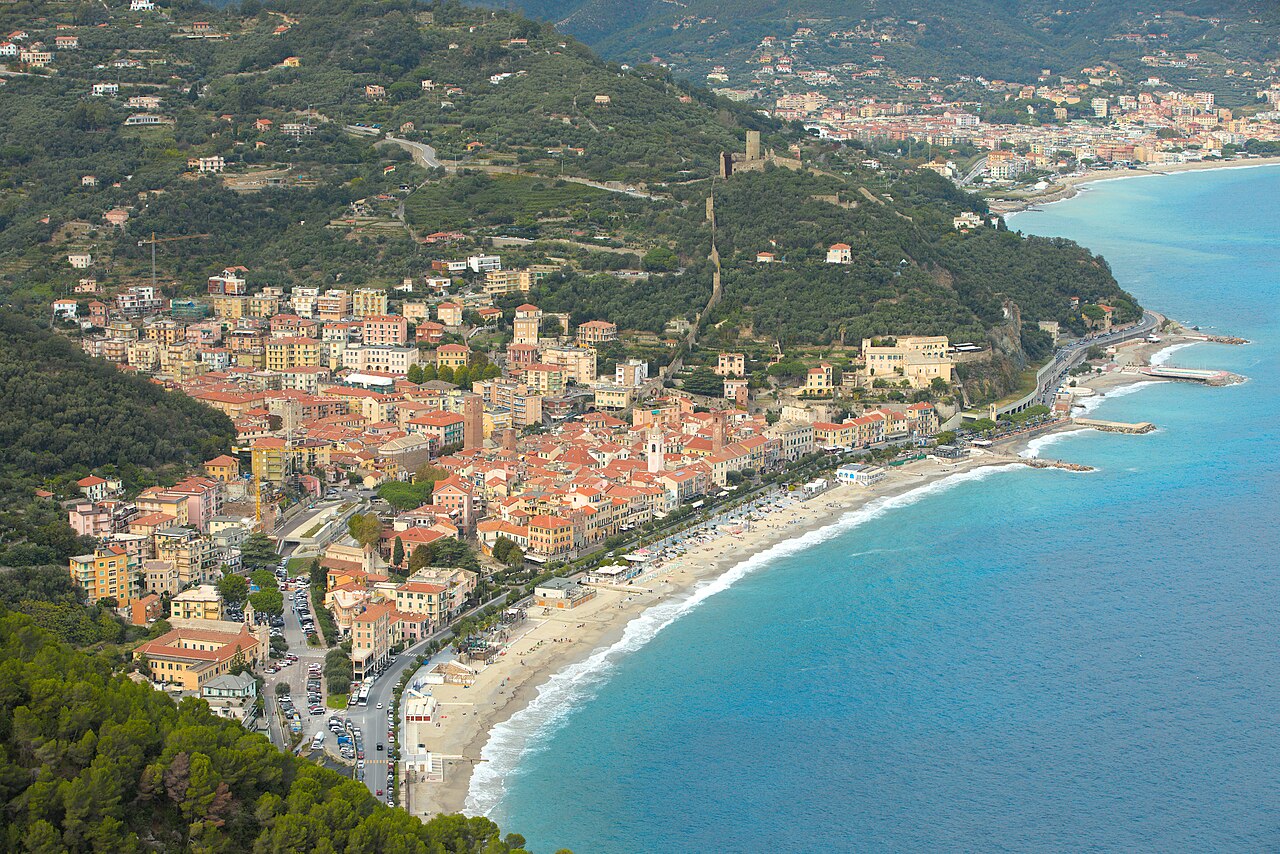
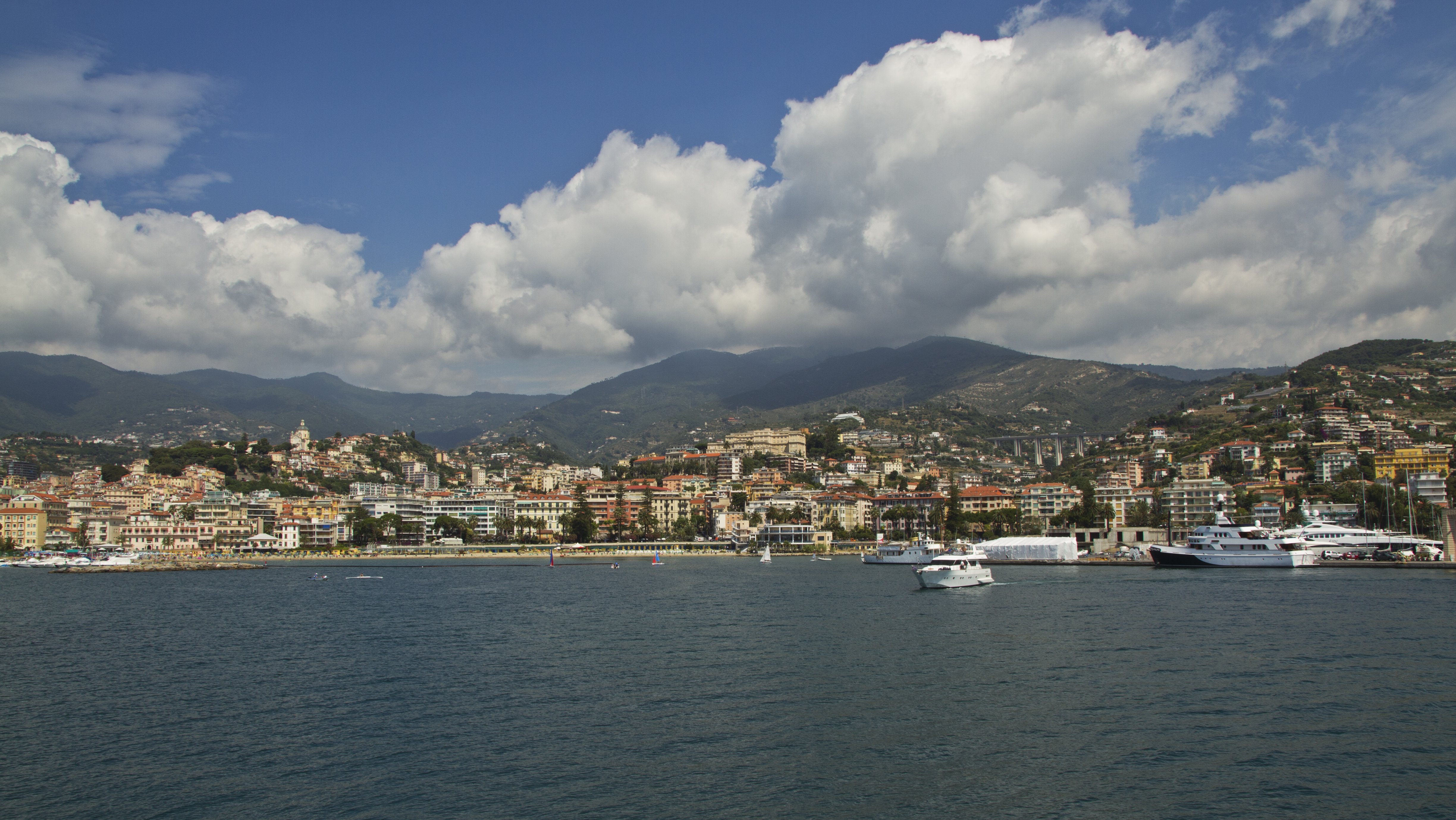
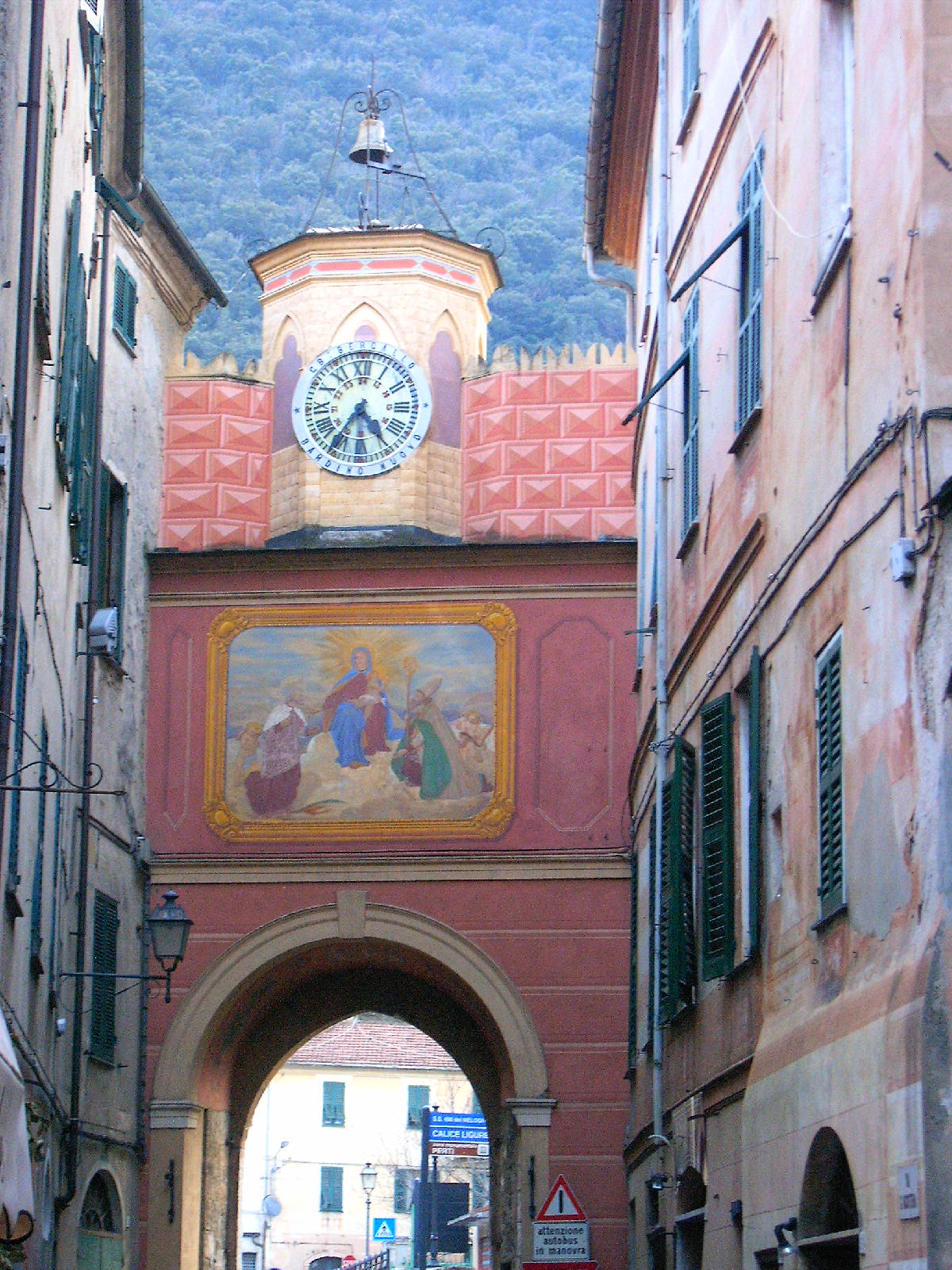
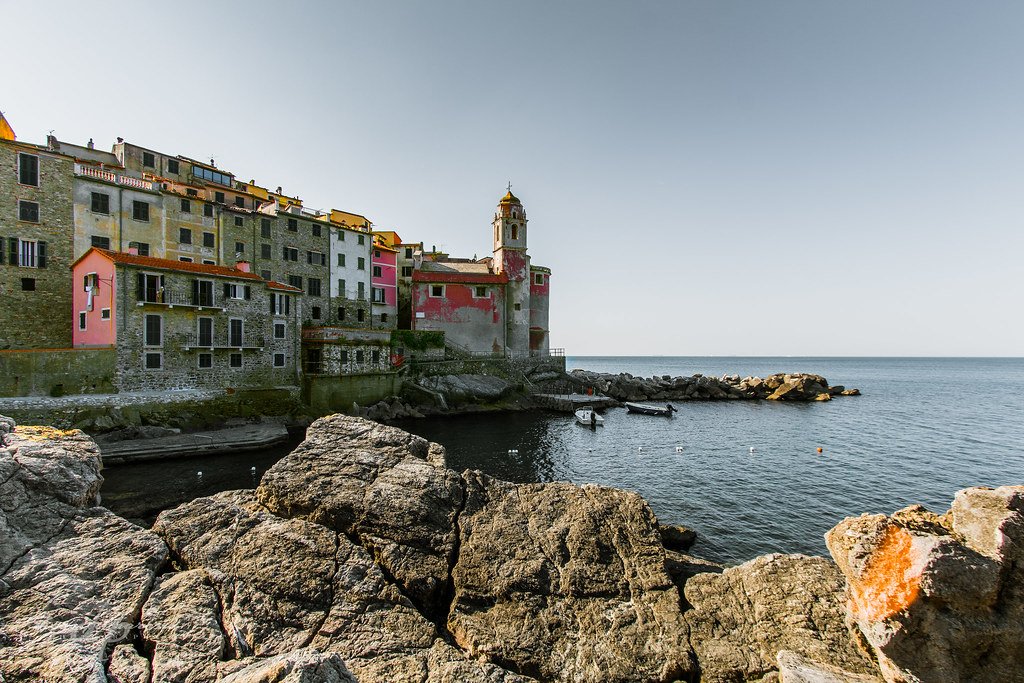
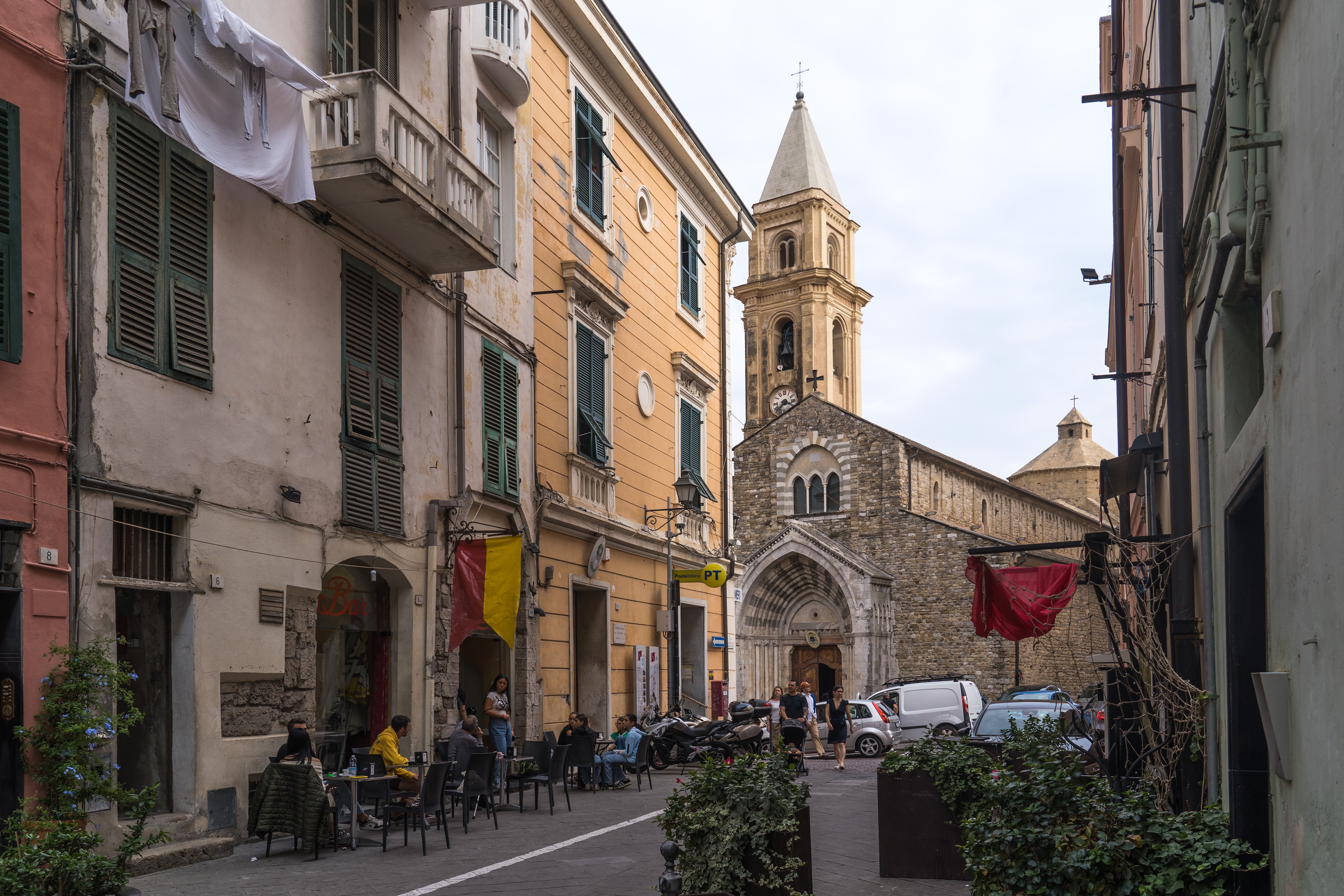
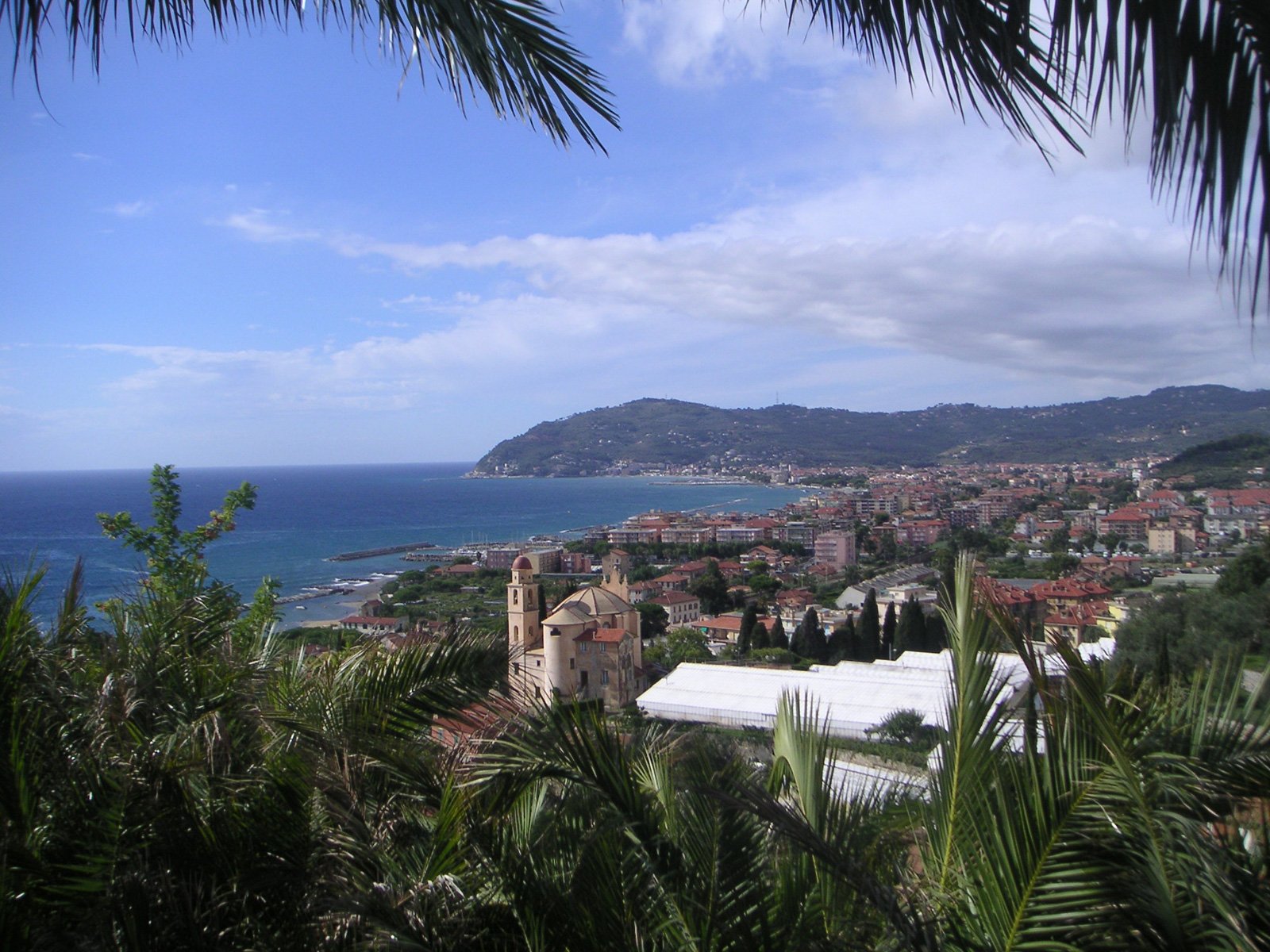
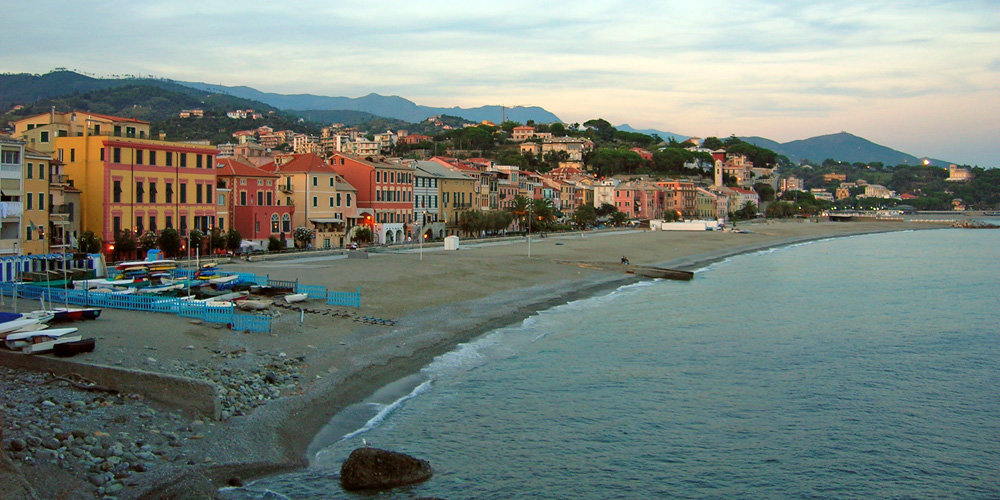
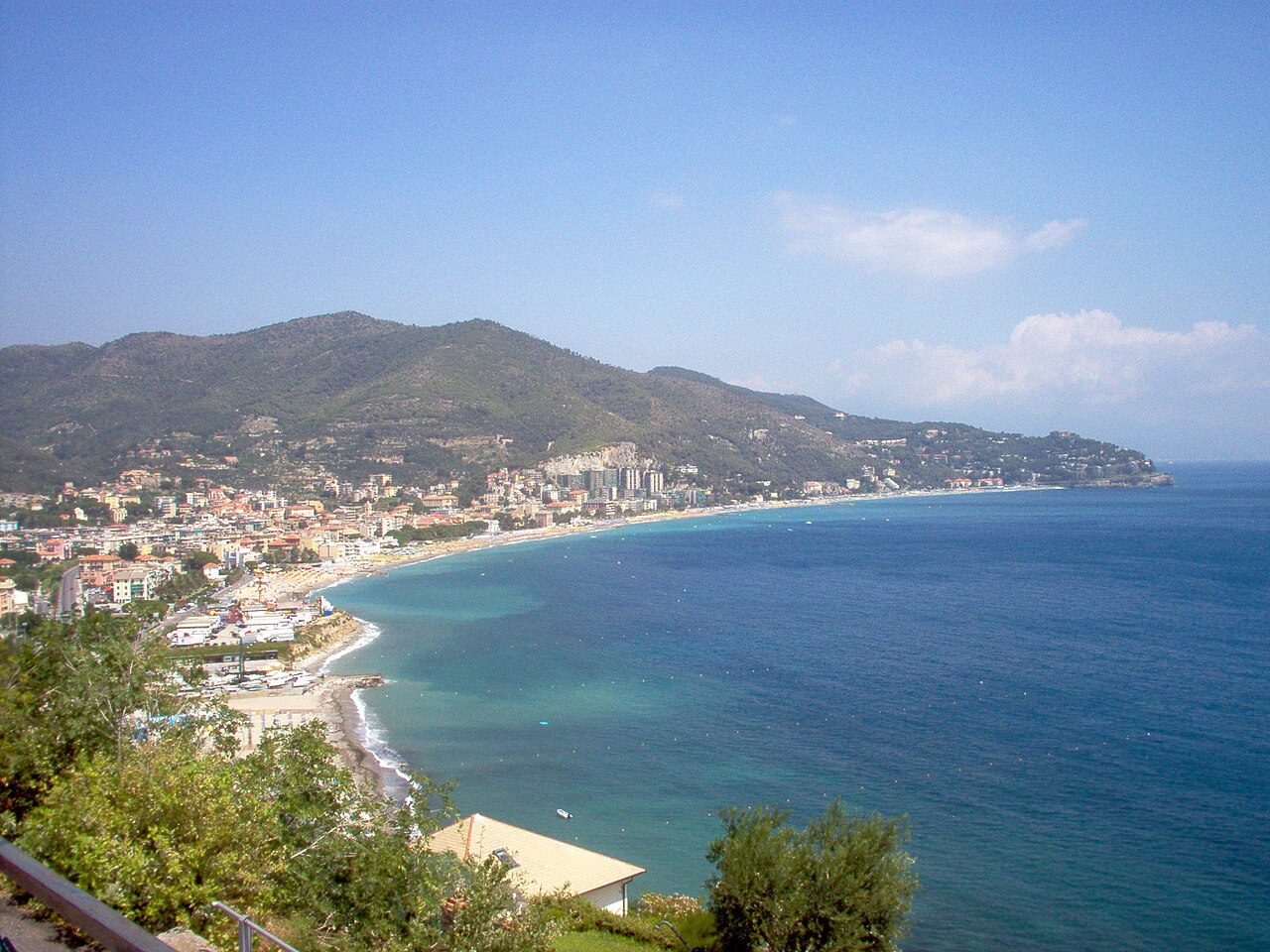
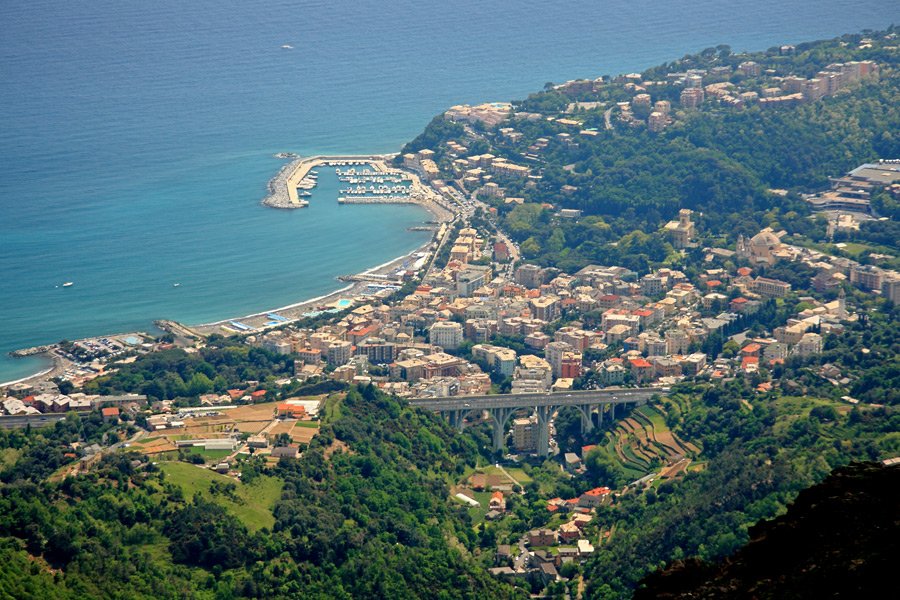
Ligurian coastal region of terraced hills, pastel fishing villages, resort beaches, and steep Mediterranean coves.
The Italian Riviera runs for about 350 km along the Ligurian coast, from Ventimiglia on the French border to La Spezia in the east. It's a landscape of steep terraced hillsides dropping to the sea, pastel-painted fishing villages, and a coastline that shifts from pebbly coves to wide sandy beaches depending on where you land.
The western stretch — the Riviera dei Fiori and Riviera delle Palme — is sunnier and flatter, with well-developed resort towns like Sanremo and Alassio. The eastern stretch around Portofino, the Tigullio Gulf, and the Cinque Terre is wilder and more dramatic. These aren't the same place; choose your section based on what you want.
Liguria has its own cuisine, and it's worth paying attention to. Pesto originates here — made with local basil, pine nuts, and Parmigiano, not the jarred kind you're used to. Try trofie al pesto, focaccia di Recco (thin flatbread stuffed with stracchino cheese), and the local anchovies from Monterosso. The wines are modest but honest: Vermentino and Pigato from the west, Sciacchetrà from the Cinque Terre.
Getting between towns by train is easy and often more practical than driving — the coast road is scenic but slow, and parking in the villages is a nightmare. Most visitors base themselves in one town and make day trips.
Guide
Eating Out
Ligurian cooking is one of Italy's most distinctive regional cuisines — herb-heavy, vegetable-forward, and tied closely to the sea. The signature dish is pesto Genovese: basil ground with pine nuts, garlic, Parmigiano, Pecorino, and good olive oil. Eat it on trofie (short twisted pasta) or trenette. Focaccia is everywhere and universally good; the best version is focaccia di Recco, a thin, crispy flatbread stuffed with soft stracchino cheese.
Seafood is local and unpretentious — anchovies from Monterosso, fried bianchetti (tiny whitebait), and ciuppin (a Ligurian fish stew). Look for restaurants near the fishing harbours rather than the main piazzas for the freshest catches and better prices. The local wines — Vermentino, Pigato, and the rare Sciacchetrà dessert wine from Cinque Terre — are worth trying at least once.
Guide
Getting There
The Riviera is well connected by rail, and the train is almost always the best option for moving between coastal towns. The main line (Ventimiglia–Genova–Livorno) runs the full length of the coast and is fast and frequent.
By train: Trenitalia's Ventimiglia–Genova–Livorno line stops at all the major resort towns. From Genoa, Cinque Terre villages are about an hour by regional train.
By car: The A10/A7/A12 autostrada runs parallel to the coast. For the scenic route, follow the SS1 (Via Aurelia), but allow extra time — it's slow through the villages. Parking in most towns is limited and expensive in summer.
By air: Genoa's Cristoforo Colombo airport (GOA) is the closest hub, about 6 km west of the city. Nice Côte d'Azur (NCE) is an alternative for the western Riviera; Pisa airport serves the eastern end.