Oudeschild
©
Oudeschild

Oudeschild

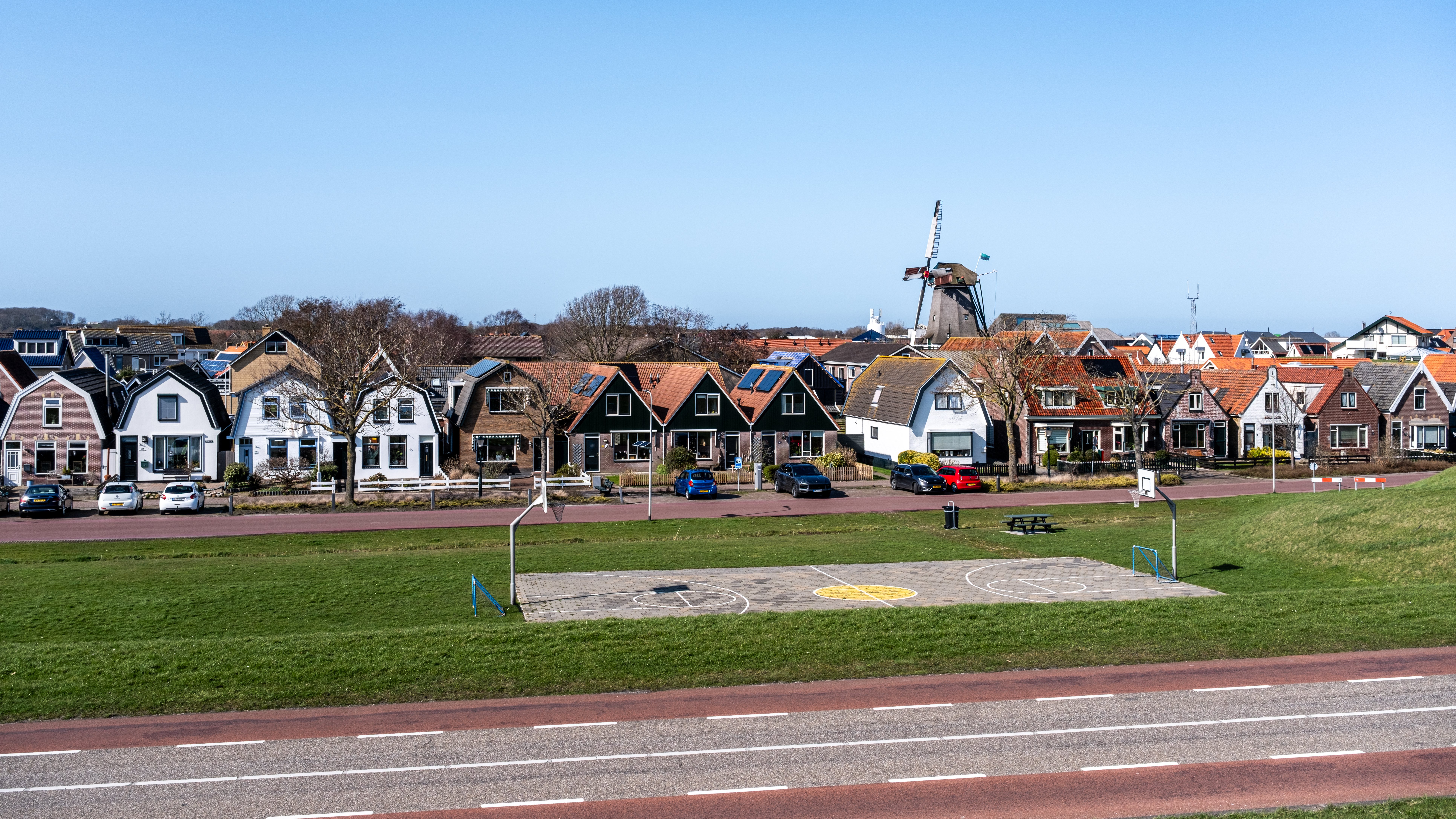
Texel harbour village on the Waddenzee, with fishing quays and the maritime Museum Kaap Skil.

Oudeschild is Texel's harbour village, sitting on the sheltered eastern coast of the island where the Waddenzee laps at the quayside. It's a small, unhurried place — fishing boats unloading, nets drying, the smell of salt and diesel — and a welcome counterpoint to the busier resort atmosphere of De Koog on the other side of the island.

The village has one unmissable attraction: Museum Kaap Skil, the island's maritime and beachcombing museum. Texel sits at a historic crossroads of North Sea shipping routes, and the wrecks on its shores have yielded extraordinary finds over the centuries — the museum tells that story with genuine flair. The harbour itself is worth a slow walk, especially when the fishing fleet is in, and the herring stalls by the quay are a reason to arrive hungry.

Oudeschild is best visited as part of a broader exploration of Texel rather than as a standalone destination, but if you're cycling around the island it makes an excellent stop for lunch and a museum visit.

Guide

Bars and Cafes

Oudeschild is a small working village rather than a tourist hub, so the bar scene is equally compact. The handful of cafes near the harbour and museum offer a fine spot for a post-walk beer or a kop koffie with an apple pie. In summer, terraces open up with views toward the water.

Texel produces its own beer — Texels Skuumkoppe and other brews from the Texelse Bierbrouwerij in Den Burg — which you'll find on tap at most local places. Texel also has a small but serious gin and spirits tradition; local jenever and botanical gins made on the island appear on back-bar shelves.

Guide

Day Trips

Oudeschild sits within easy cycling range of most of Texel's attractions, making it a natural base for exploring the island.

Den Burg (4 km) is Texel's largest town, with the main market, shops, and the Texels Museum covering island history and natural history. The weekly market on Monday mornings is worth catching.

De Koog (11 km) is Texel's main beach resort, with a long stretch of North Sea beach backed by dunes. It's busier and more commercial than Oudeschild, but the beach itself is excellent — wide, clean, and open to the Atlantic.

De Slufter is a unique tidal inlet in the northwest of the island where the dunes open directly to the sea, allowing salt water to flood in. The resulting landscape — a mix of salt marsh, tidal channels, and dune scrub — is botanically rich and excellent for birds.

Den Hoorn (8 km) is arguably Texel's most picturesque village, with a cluster of white-painted houses around a small church and windmill.

The Hoge Berg area near the centre of the island offers the closest thing to elevation on a very flat island, with old farmhouses and a landscape that recalls medieval Texel.

For a longer excursion, the ferry back to Den Helder opens up a day trip to Den Helder itself, which has the Helders Marinemuseum (Dutch naval museum) and the historic naval dockyards.

Guide

Eating Out

Oudeschild is a small village with a handful of places to eat, mostly focused on seafood. The harbour-side herring stalls are the quickest option — a broodje haring (herring sandwich) eaten on the quay is one of the quintessential Dutch island experiences. Several cafes and small restaurants near the museum and harbour serve lunch and, in season, dinner.

Texel is known for its salt-meadow lamb — sheep graze on the grass that grows behind the sea dykes, and the slightly salty pasture gives the meat a distinctive flavour. It appears on menus across the island, and Oudeschild is no exception.

Guide

Getting Around

Oudeschild itself is tiny — everything is walkable in ten minutes. The harbour, Museum Kaap Skil, and the village centre are all within easy strolling distance of each other.

For getting around the rest of Texel from Oudeschild, a bicycle is by far the best option. Texel has one of the best-maintained cycling networks in the Netherlands: 140 km of dedicated fietspad (cycling paths) circle the island and cut across it, running through dunes, polders, and nature reserves. Bikes can be hired in Den Burg and at several other points on the island. A day's rental gives access to all of Texel's villages and natural areas.

The Connexxion bus network covers the island adequately, with Den Burg as the hub. Several routes pass through or near Oudeschild. A day ticket covers unlimited travel on all routes.

Cars are unnecessary for village visits and actively awkward — parking is limited and cycling or walking is more enjoyable in almost every situation.

Guide

Getting There

Oudeschild is on Texel island. To reach Texel from the Dutch mainland, take the TESO ferry from Den Helder — the crossing takes about 20 minutes and runs frequently throughout the day. Den Helder is reached by train from Amsterdam (around 75 minutes) or by car via the A9 and N9. The ferry terminal at 't Horntje is on the southern tip of Texel.

From 't Horntje, Oudeschild is about 7 km away on the eastern side of the island. By bicycle — the natural Texel mode of transport — it's a pleasant 25-minute ride along dedicated cycling paths through the polder landscape. By bus, Texel's Connexxion services connect 't Horntje with Den Burg and stop at Oudeschild. By car, it's a 10-minute drive.

From Den Burg, the island's main town, Oudeschild is 4 km east — a quick cycle or bus ride.

Guide

Things to Do

Oudeschild's attractions are compact — the harbour and Museum Kaap Skil are the two reasons to come, and they complement each other well. A morning or afternoon is enough, though the village rewards a slow pace: a walk along the quay, watching the fishing boats, then a couple of hours in the museum. The village's small restaurants and the herring stalls at the harbour round out the visit.

Cycling is the natural way to arrive — Texel has an excellent network of dedicated cycling paths, and Oudeschild is an easy ride from Den Burg and the other villages.

Guide

When to Go

Oudeschild works year-round, though the character shifts with the season. Summer (June–August) brings the most activity: the harbour is busiest, the museum fills up, herring stalls are open, and boat trips run regularly. Evenings are long and the light on the Waddenzee is beautiful. It can get crowded in July and August, when the whole island fills with Dutch holidaymakers.

Spring and autumn are arguably the best times. The crowds thin, the light turns golden, and the birdlife on the Waddenzee mudflats peaks — spring migration (April–May) and autumn migration (September–October) bring enormous numbers of wading birds and wildfowl. Museum Kaap Skil is open but quieter.

Winter is quiet and atmospheric. Some cafes reduce hours or close; the herring stalls disappear. But the harbour in a November sea-fog has a particular bleakness that is its own reward. The museum stays open through winter, making it a fine reason to visit even on a cold grey day.