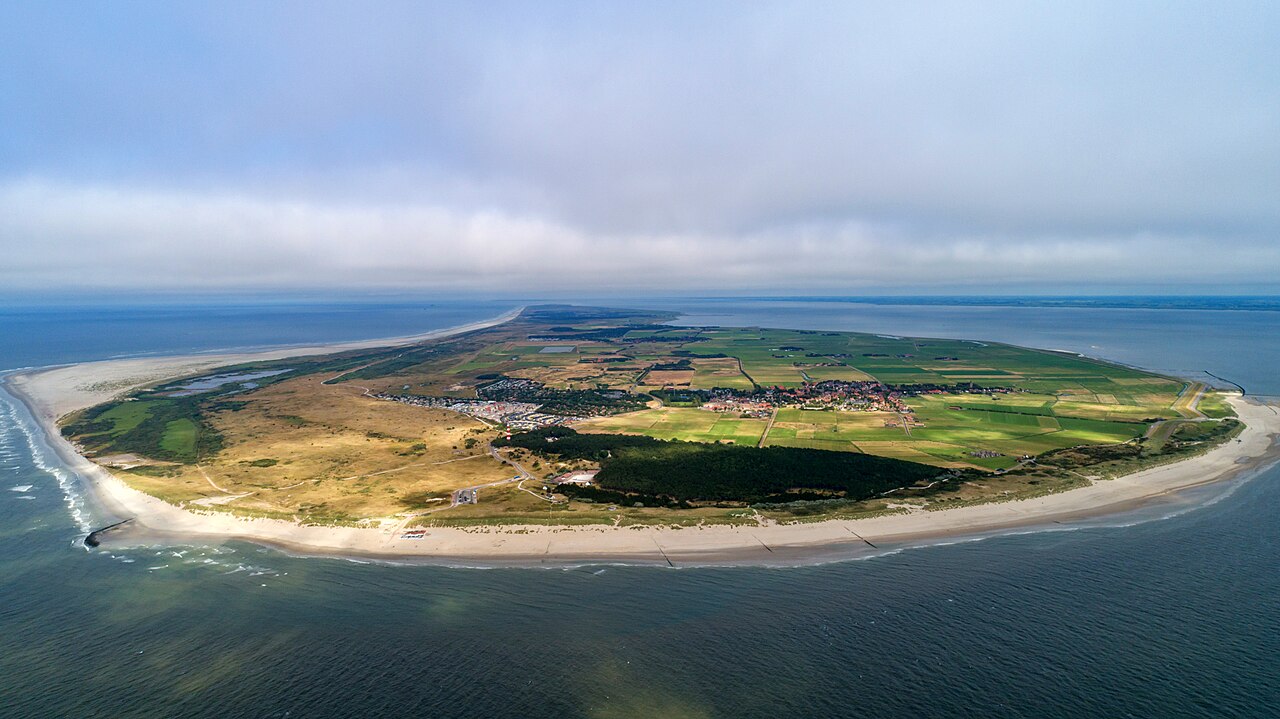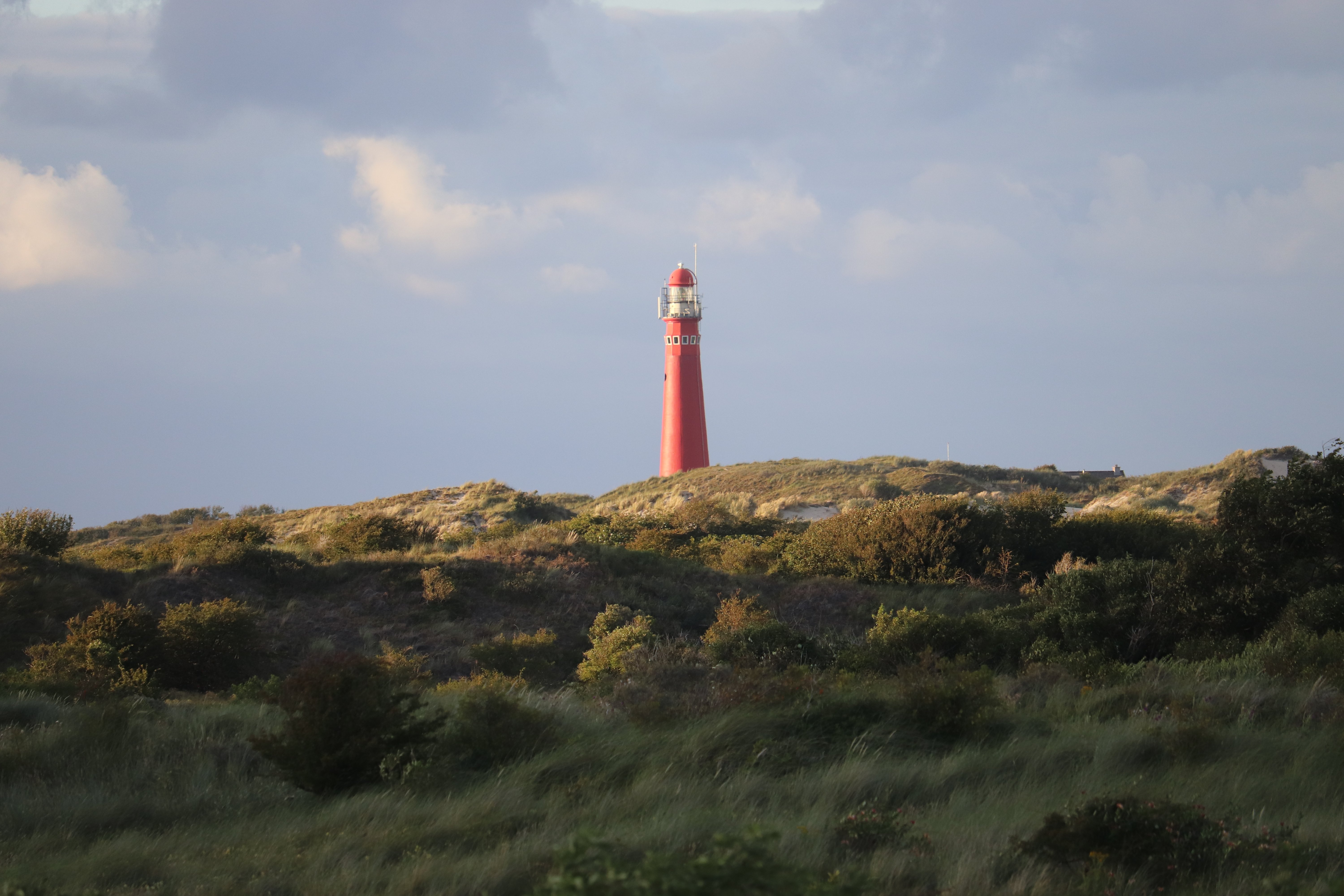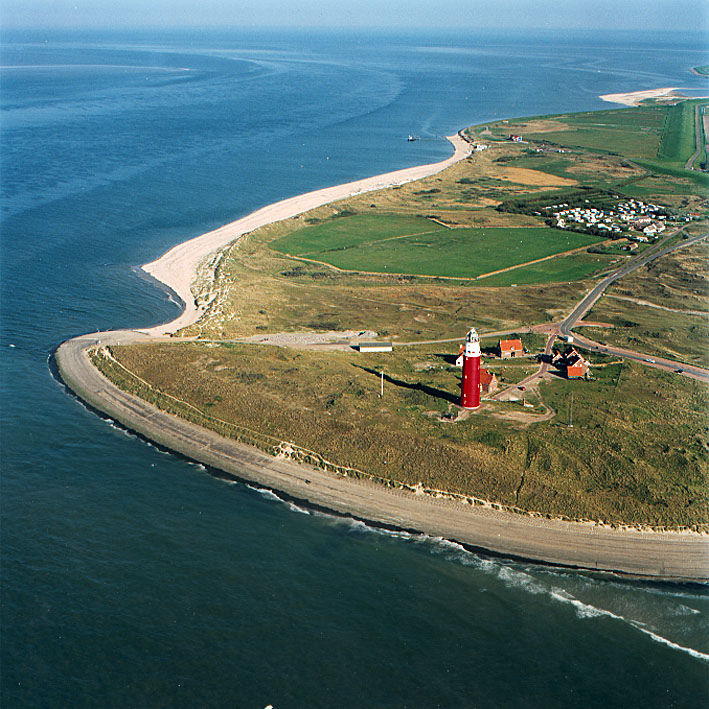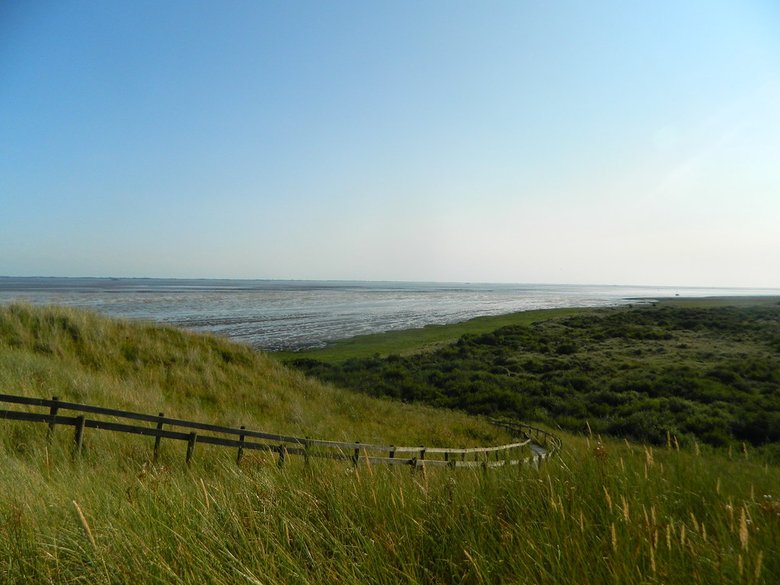
The Wadden Islands (Dutch Waddeneilanden) are a string of low, sandy islands off the north coast of the Netherlands, stretching along the Dutch, German, and Danish seaboards of the Wadden Sea. Five are inhabited on the Dutch side: from west to east, Texel, Vlieland, Terschelling, Ameland, and Schiermonnikoog. The Wadden Sea that separates them from the mainland is a UNESCO World Heritage Site — the largest unbroken system of tidal mudflats on earth — and the islands are mostly nature reserve: dunes, salt marshes, cranberry bogs, pine plantations, and some of Europe's best bird migration stopover sites.
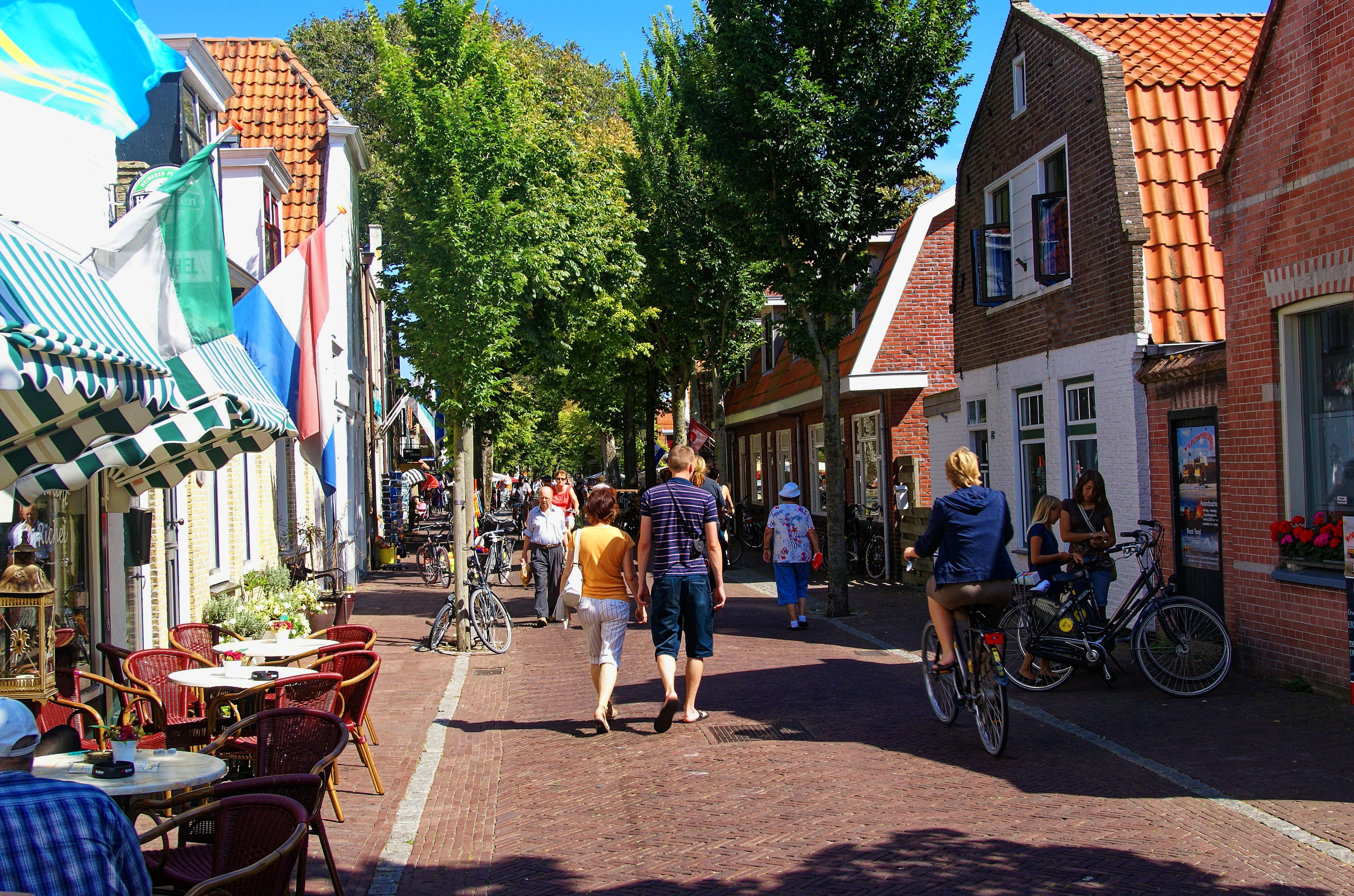
The appeal is the opposite of posh: wide empty beaches, cycling paths everywhere, old fishing villages, and the very particular quality of Dutch wind-and-sky-and-water. Most visitors rent a bike and spend a few days island-hopping, or stick to one island and do nothing. The islands fill up in July and August but are quiet the rest of the year.
- Texel, the biggest, is reached by ferry from Den Helder (20 minutes); it has beaches, the Ecomare seal refuge, and the largest sheep population in the Netherlands.
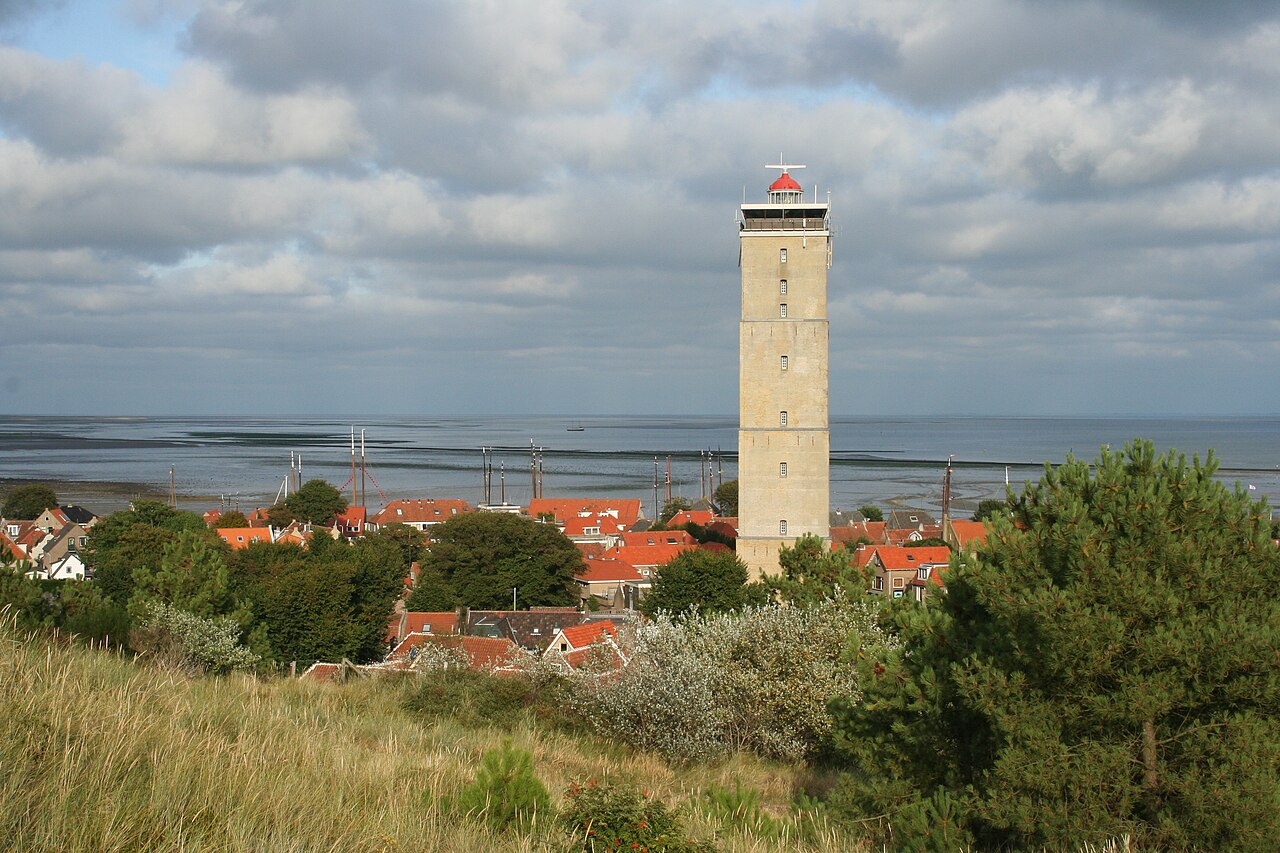
- Terschelling is reached by ferry from Harlingen in Friesland. The 1594 Brandaris lighthouse and the annual Oerol performing-arts festival (June) are the highlights.
- Ameland is smaller and quieter, with ferries from Holwerd.
- Vlieland, the smallest inhabited island, has a single village (Oost-Vlieland) and no cars — a car-free retreat.
- Schiermonnikoog is reached by ferry from Lauwersoog and is almost entirely national park.
At low tide, guided wadlopen (mudflat-walking) tours cross the Wadden Sea from the mainland to the nearest islands — a strange, squelchy, unforgettable experience.