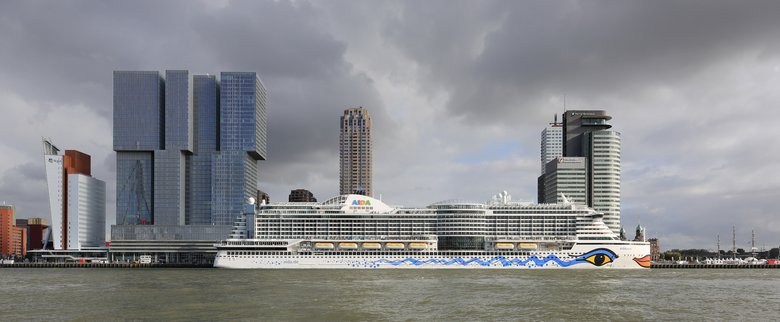
Rotterdam is the Netherlands' second city and its most architecturally daring. Levelled by German bombing in 1940 — an event commemorated in Zadkine's anguished bronze at the Leuvehoofd — it rebuilt itself as a modernist experiment: a skyline of bold towers, avant-garde housing, and bridges that have made it a pilgrimage site for architecture fans worldwide. The line the bombing left behind is marked into the pavement of the city as the Brandgrens.
The Erasmus Bridge, the cube houses at Blaak, the Markthal, Rem Koolhaas's Kunsthal, and the new Centraal Station are just the highlights. But Rotterdam is more than a design showcase. The harbour -- one of the world's busiest -- gives the city a working, industrial character that Amsterdam lacks. The Coolsingel and Schouwburgplein are the central spines; the Kop van Zuid on the south bank is the tower cluster. The people are direct, diverse, and proud of not being Amsterdam.
The museum scene punches well above its weight. Boijmans Van Beuningen holds everything from Bosch to Dalí, the Kunsthal rotates 25 exhibitions a year, and the Nederlands Fotomuseum and Het Nieuwe Instituut (architecture) draw specialists from across Europe. In February the International Film Festival takes over the city.
Rotterdam's food scene reflects the port city's diversity. Indonesian, Surinamese, and Turkish kitchens line the Westersingel and West-Kruiskade, and the Markthal is as much a food destination as an architectural one. Nightlife centres on the Witte de Withstraat strip and the bars and music venues along the Nieuwe Binnenweg.
Most visitors can see the highlights in a day, but there is enough here to fill several. The Delfshaven neighbourhood alone -- with its historic harbour, brewpub, and Pilgrim Fathers history -- is worth a half-day detour, and Het Park below the Euromast is the city's pleasantest stretch of green.