Logroño is the capital of La Rioja, Spain's most famous wine region, and the city takes its reputation as a place to eat and drink extremely seriously. The Calle Laurel and the streets around it constitute one of the densest concentrations of wine bars and pintxo taverns in Spain — a strip that comes alive from seven in the evening as locals move from bar to bar, glass of Rioja in hand, following a social ritual that has been playing out on these streets for generations. The wine is cheap, the atmosphere is genuine, and the competition between bars for custom keeps the food unusually good.
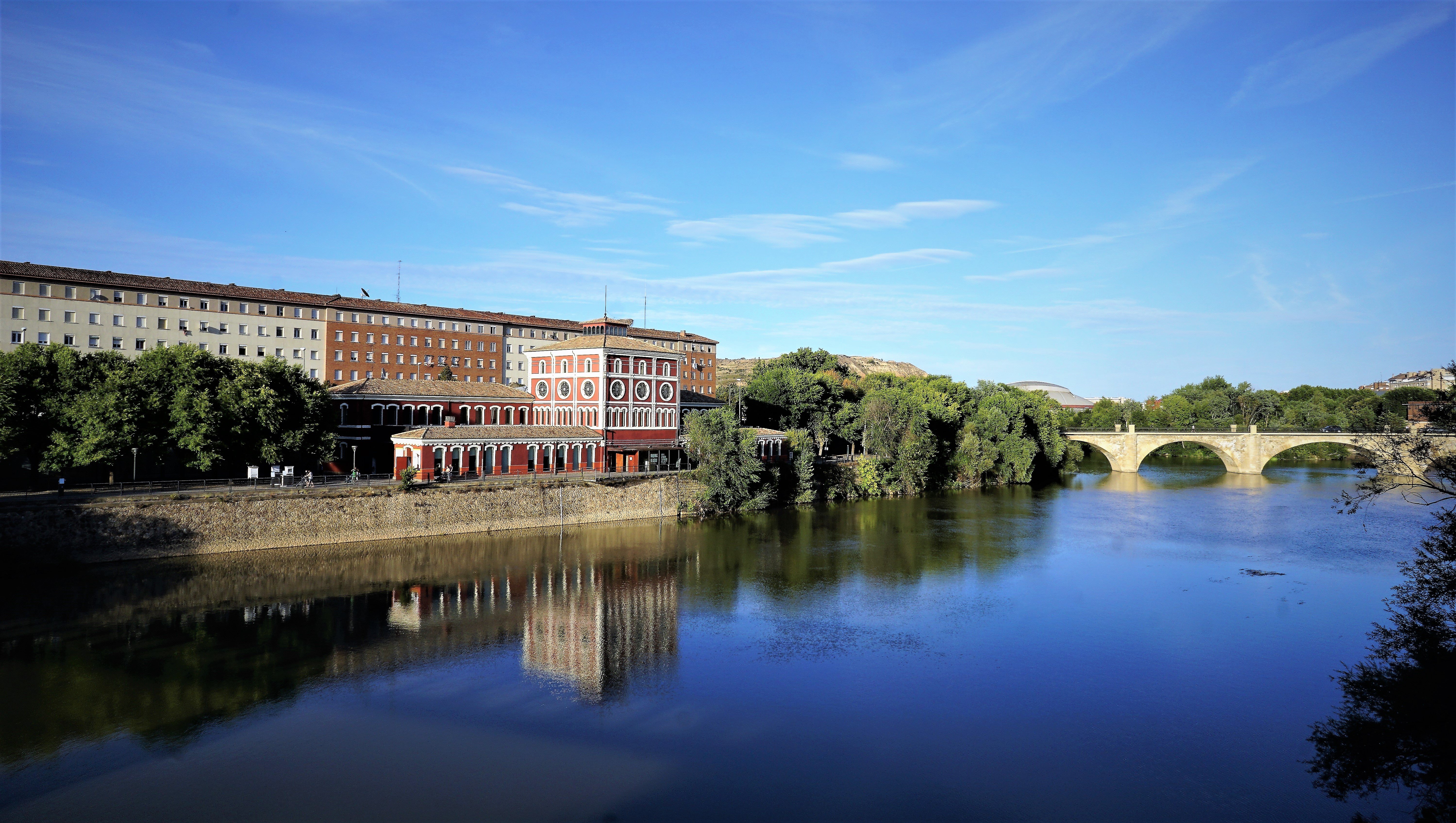
The old town is compact and walkable, anchored by the Co-Cathedral of Santa María de la Redonda with its twin Baroque towers, and by the Church of San Bartolomé, the oldest church in the city, whose twelfth-century portal is among the best Romanesque sculpture in northern Spain. The Ebro river runs along the northern edge of the old town, spanned by the medieval stone bridge and backed by a long riverside park.
Logroño is a natural base for exploring the wine country around it. The Rioja DOCa covers a substantial area along the Ebro valley; the bodegas of Haro to the west and the hill villages around Laguardia across the border in the Basque Country are all within an hour. The Camino de Santiago passes through the city — the cathedral is a traditional pilgrimage stop — and the walking route through the vineyards is one of the most pleasant stages of the whole camino.
The city is not dramatic or monumental, but it is comfortable, well-maintained, and genuinely pleasurable to be in — qualities that matter when you are spending serious time eating and drinking your way through the wine region.