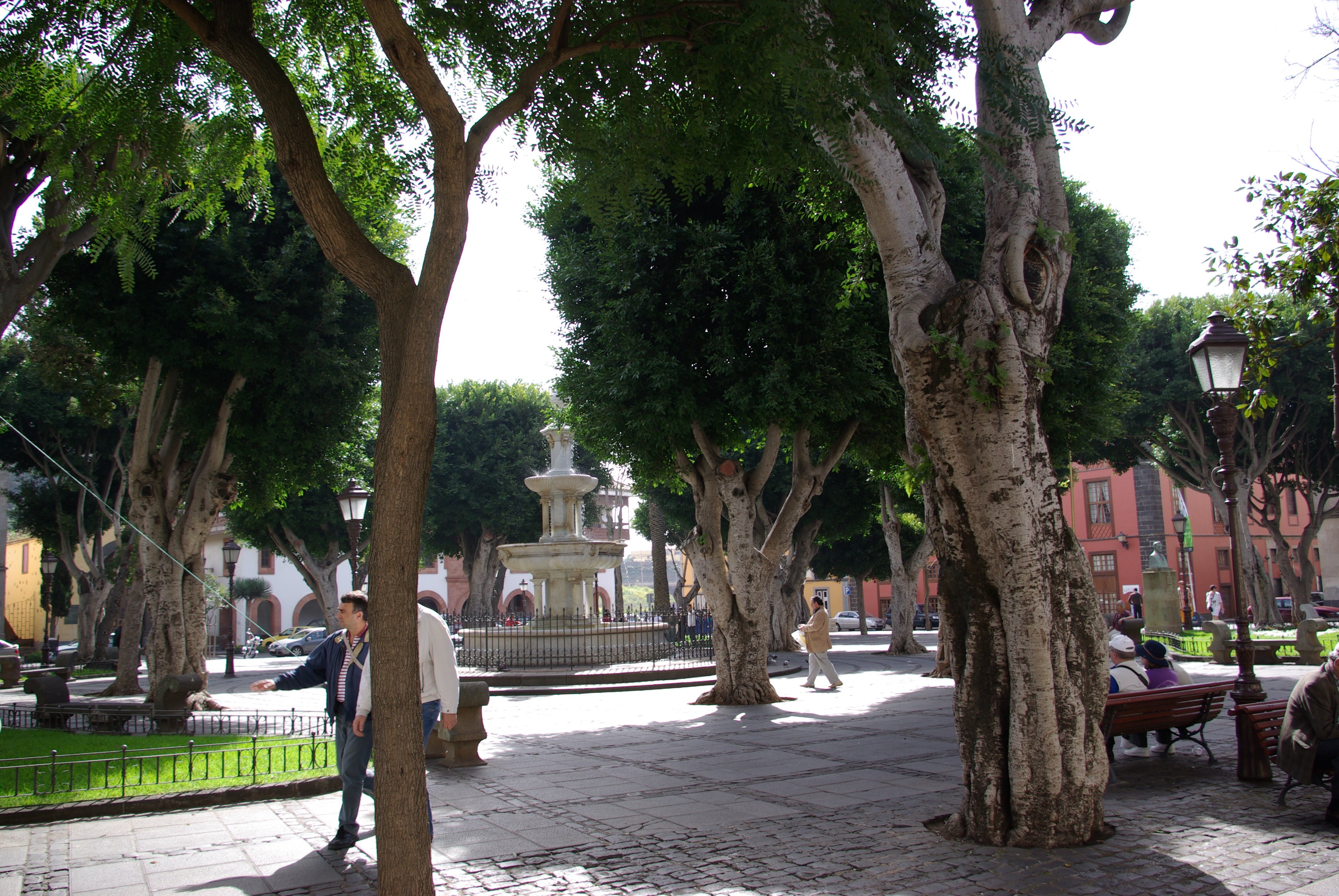
San Cristóbal de La Laguna is the old capital of Tenerife and one of only two UNESCO World Heritage cities in the Canary Islands. Unlike the coastal resort cities that dominate the island's tourist economy, La Laguna is an inland university town with a grid-planned colonial centre that has barely changed since it was laid out in the late 15th century. The street plan, the two-storey stone houses with carved wooden balconies, and the succession of churches and convents lining the pedestrian streets all contribute to a historic environment of genuine quality.
The Cathedral of La Laguna and the Iglesia de la Concepción are the two churches most worth visiting — the latter is the oldest on Tenerife, founded in 1497, and contains some of the best Baroque woodwork in the Canary Islands. The Real Santuario del Cristo de La Laguna, a short walk east of the historic centre, houses the revered Cristo de La Laguna, a wooden figure of Christ that draws pilgrims from across the islands and whose annual processions are among the most important religious events in Tenerife.
The Plaza del Adelantado is the central square, a pleasant open space flanked by the former convent of Santa Catalina, the ayuntamiento, and the Palacio de Nava. Around it, the pedestrianised streets are lined with cafes, bookshops, and the kind of everyday city life that is absent from the resort towns. The Museo de Historia de Tenerife in the old Casa Lercaro is one of the best history museums in the archipelago, covering the island's indigenous Guanche culture and the Spanish colonial period.
La Laguna sits at 550 metres above sea level in the fertile Aguere plain, which gives it a cooler, greener character than the south coast. The Anaga rural park and its ancient laurel forest begins on the ridgeline above the city and is reachable on foot or by bus. The university, founded in 1701, keeps the city young; the streets around the university buildings are livelier in term time than in summer.