London is one of the great world cities — a place where you can eat Ethiopian in Brixton, see a West End show, walk through a Roman fort, and end the evening in a Georgian pub all in a single day. It is vast, expensive, and occasionally exhausting, but it repays effort in a way that few cities can match.
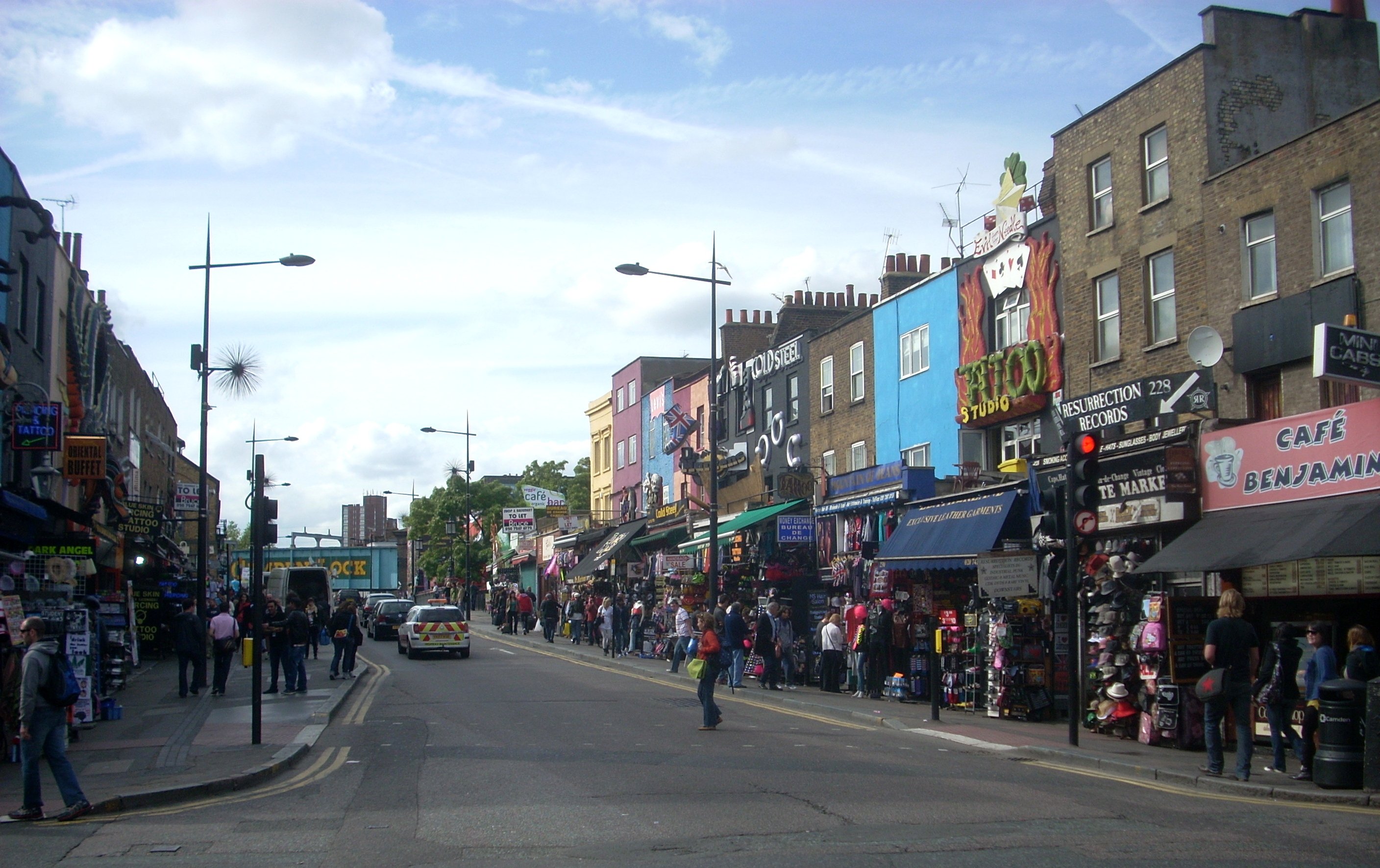
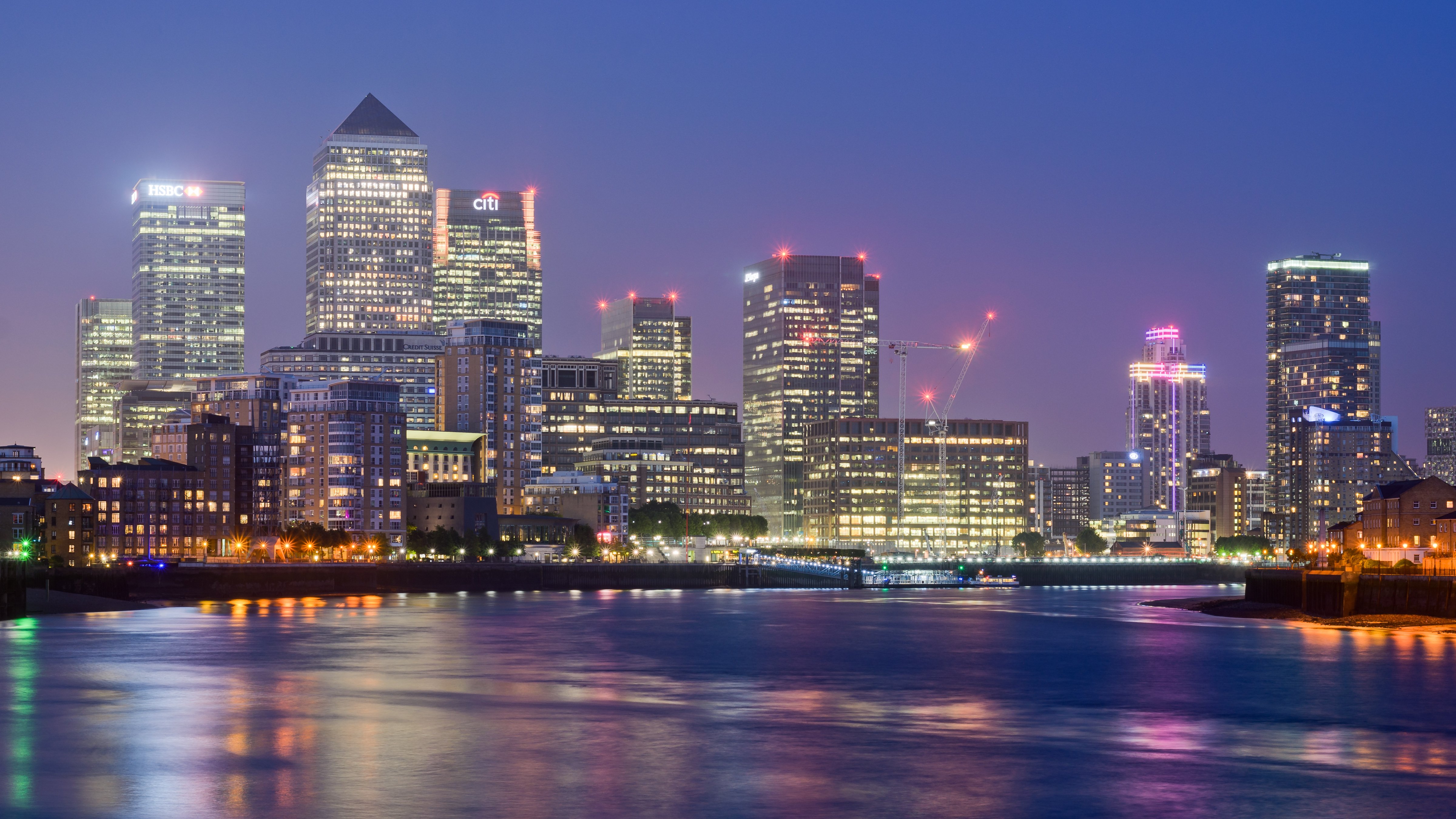
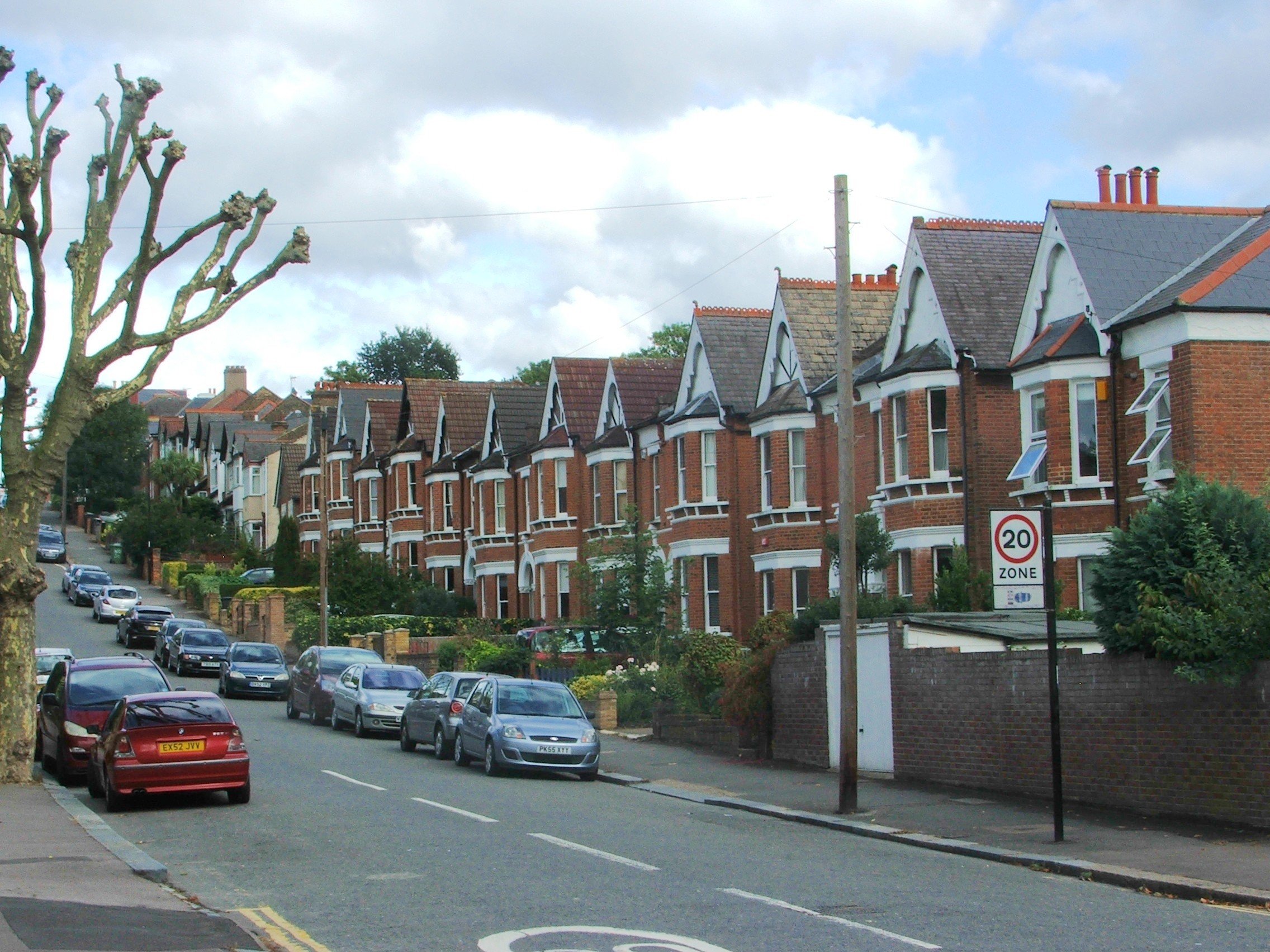
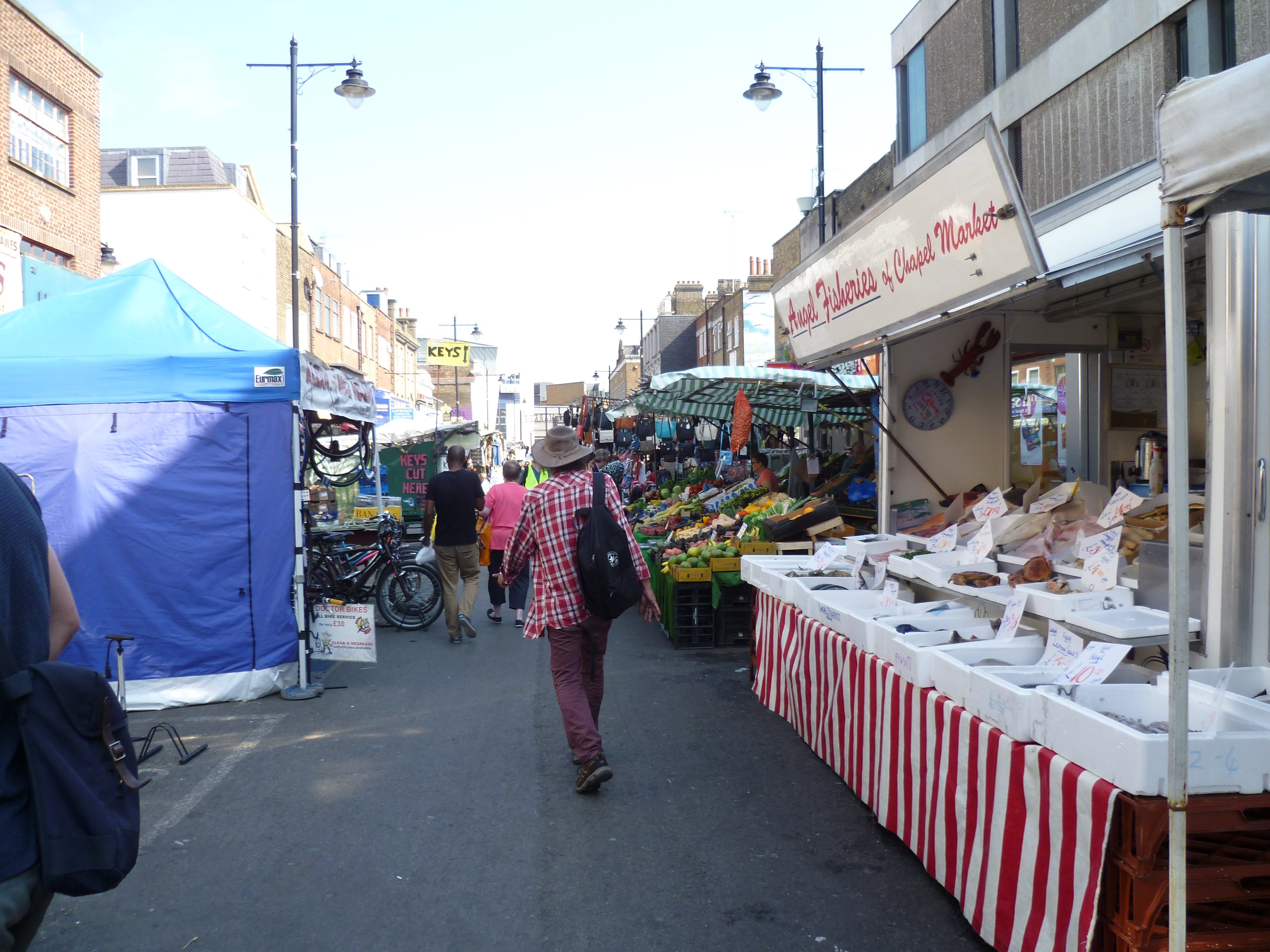
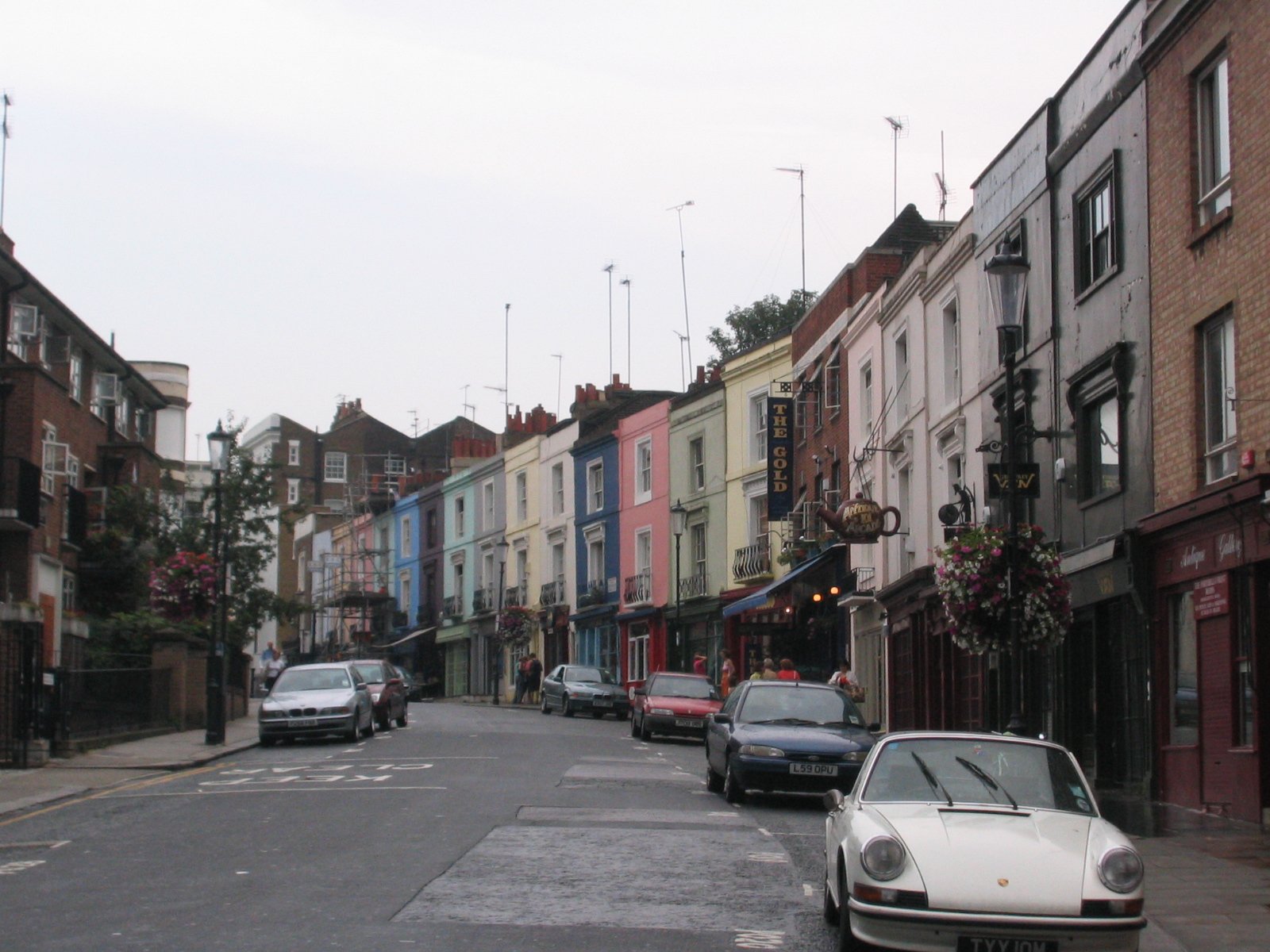
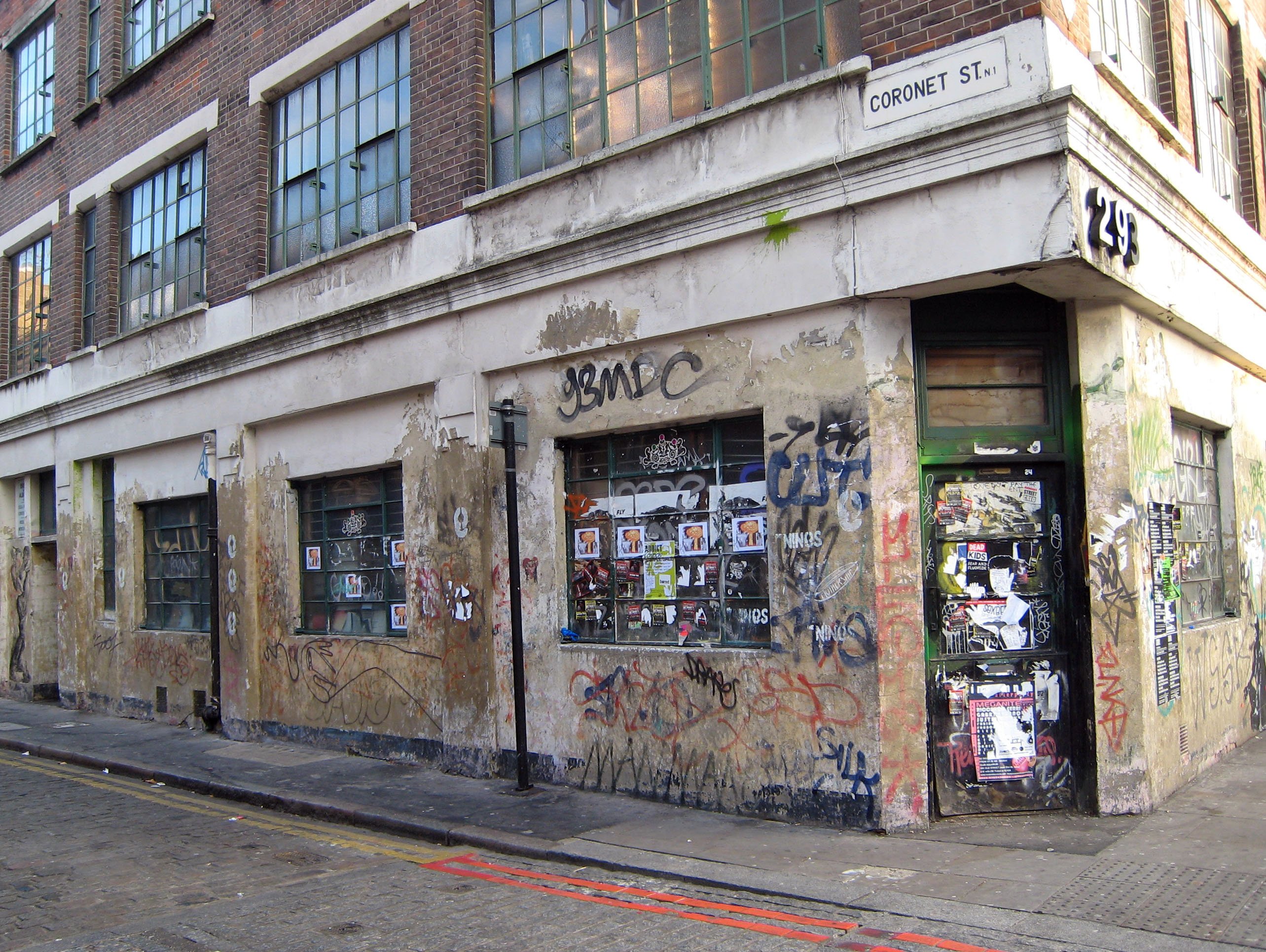
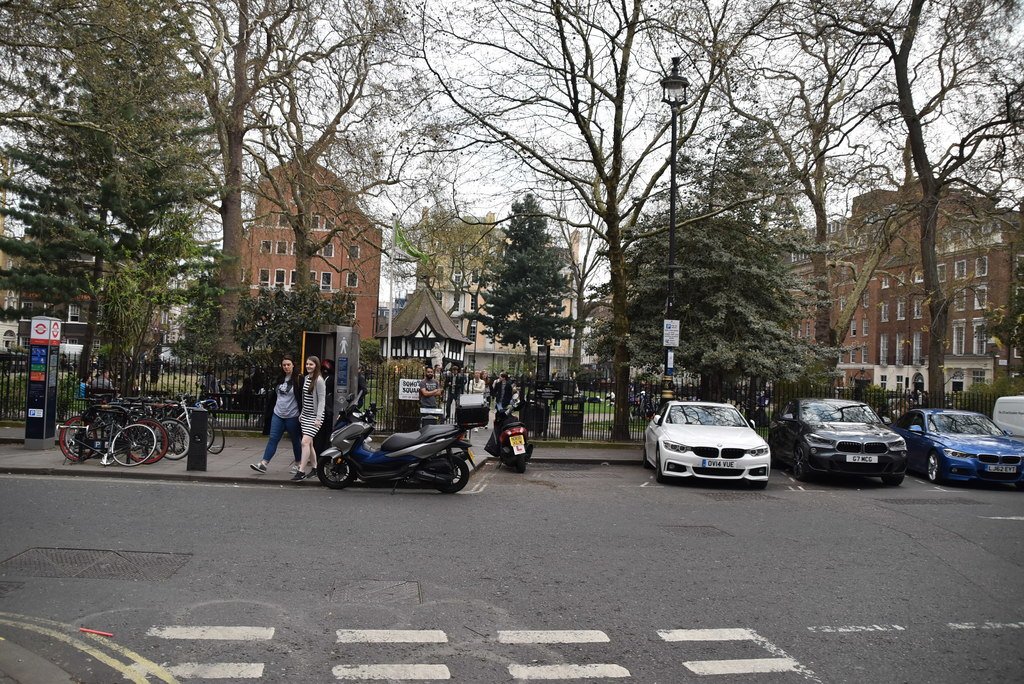
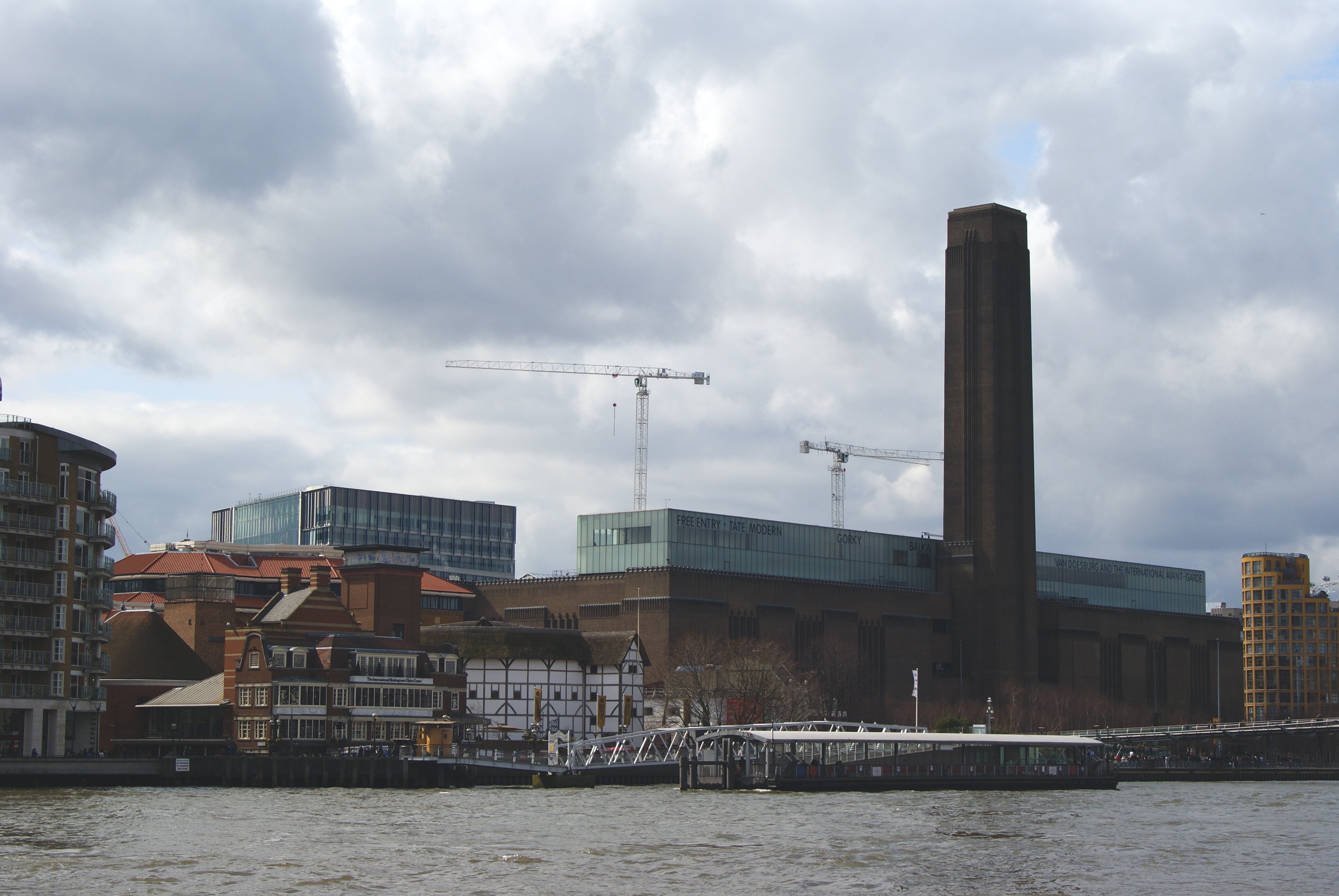
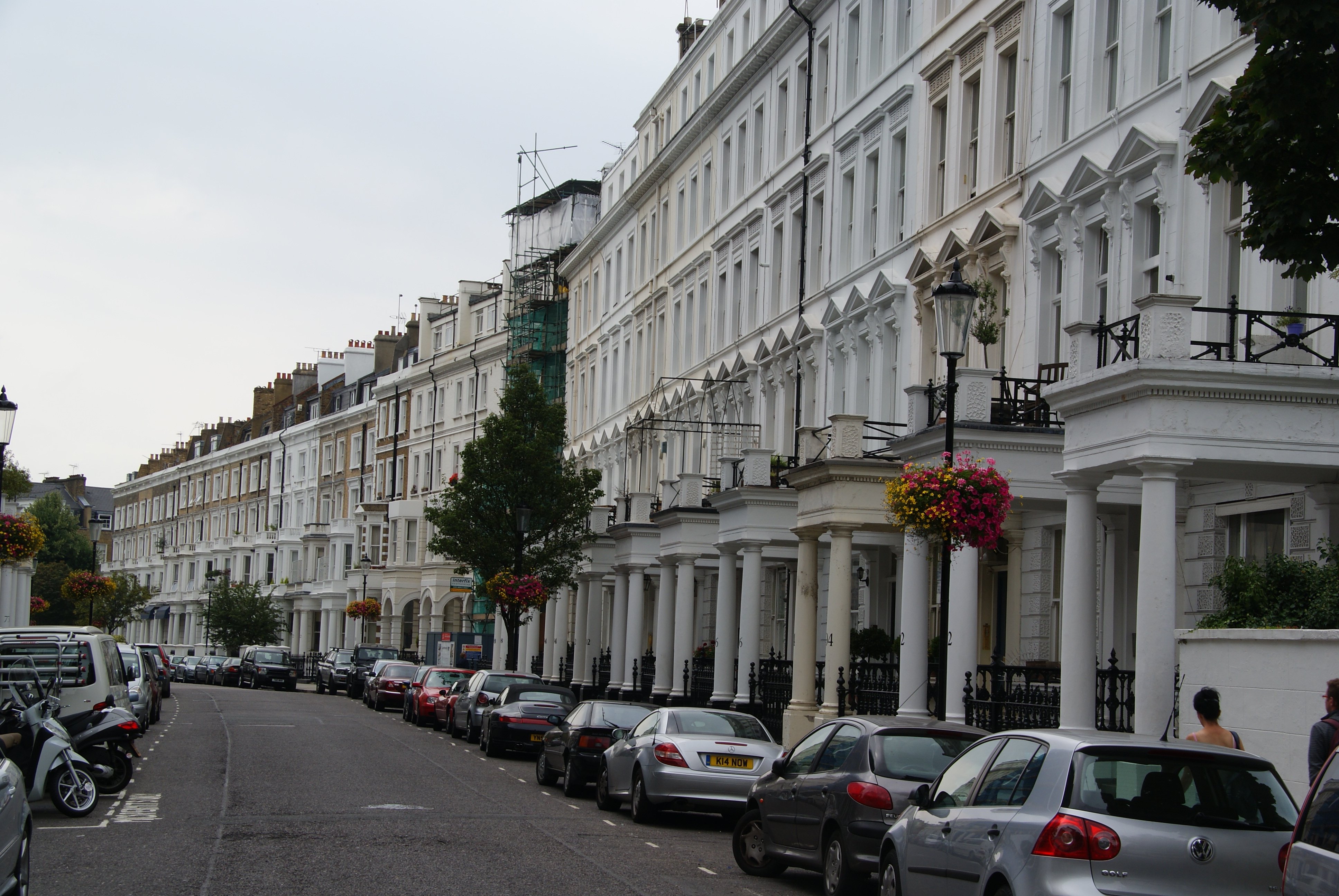
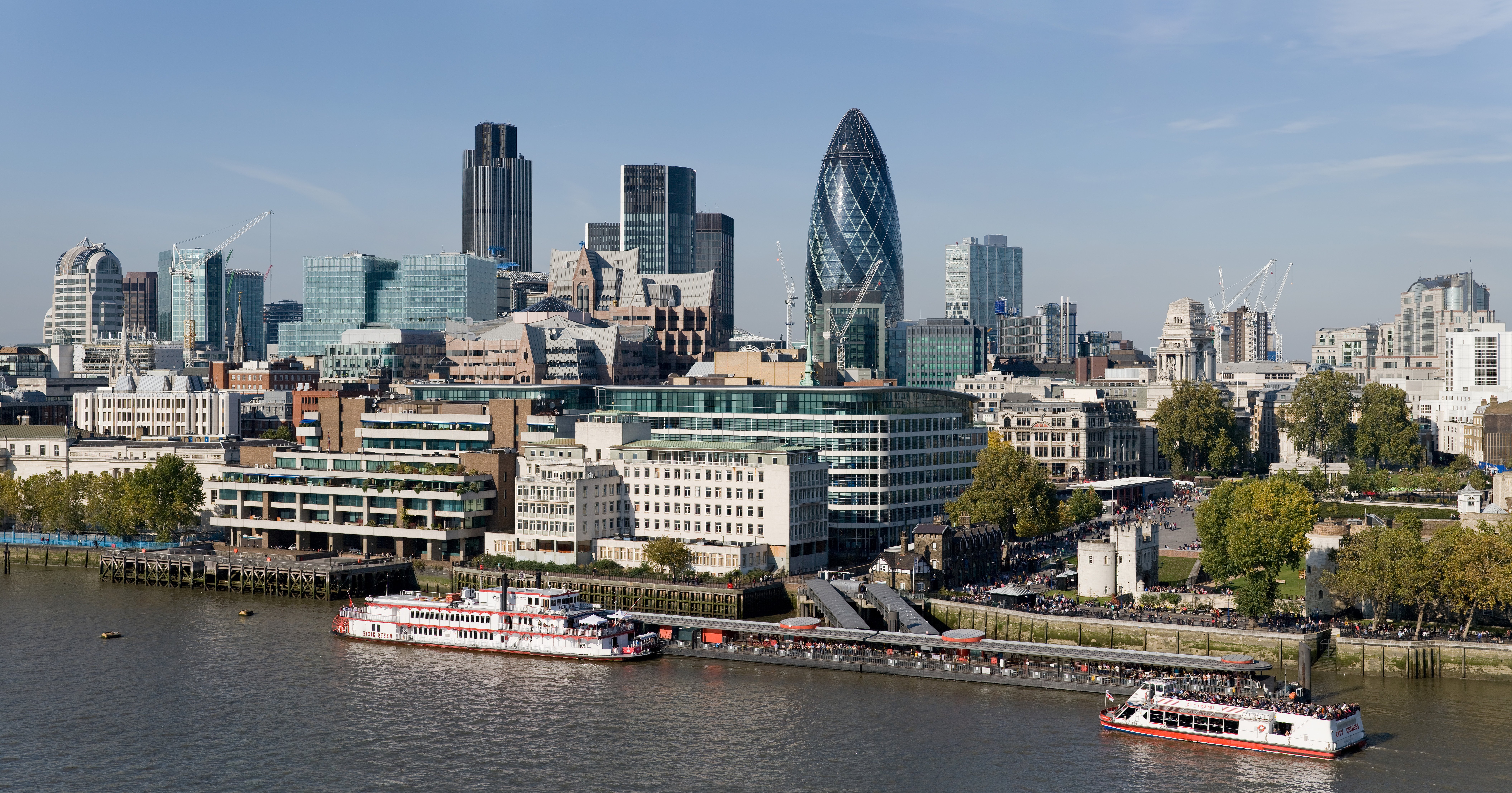
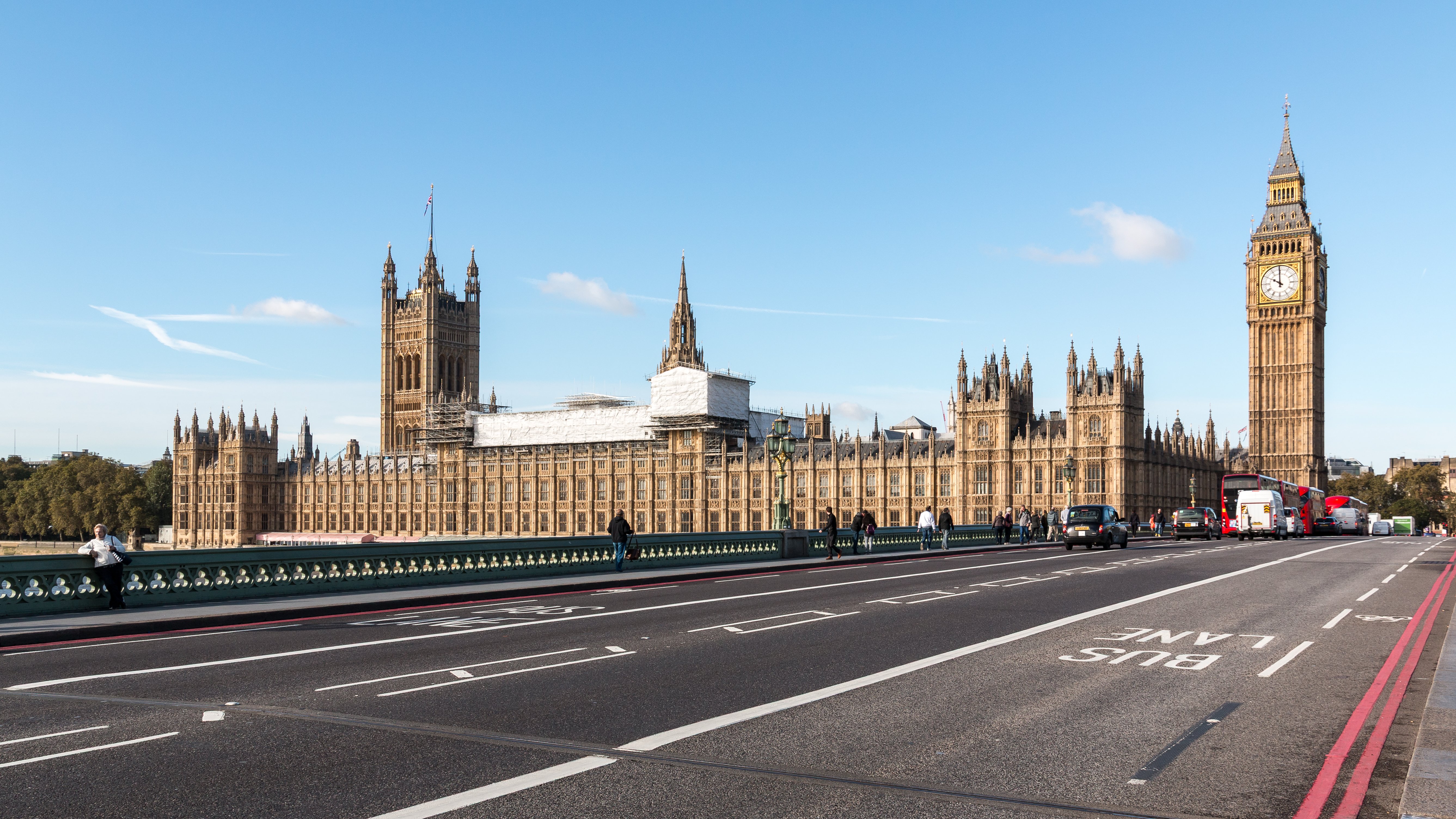
The city spreads across both banks of the Thames, divided into loosely defined neighbourhoods each with a distinct character. The West End — Soho, Covent Garden, Leicester Square, Piccadilly — is the commercial and entertainment heart, always crowded, always alive. To the west, South Kensington and Chelsea are quieter and wealthier, home to a cluster of outstanding museums. The City of London, the ancient square mile that gave the whole place its name, is now the financial district; its streets are deserted at weekends but lined with 2,000 years of architectural history. South of the river, Bankside and the South Bank have transformed over the past two decades into one of London's most interesting areas, with the Tate Modern, Borough Market, and the reconstructed Globe Theatre. East of the centre, Shoreditch draws a younger crowd to its street art, markets, and bars; Brixton to the south is the heart of London's Afro-Caribbean culture; and Notting Hill in the west keeps its painted terraces and Portobello market. Around Parliament and the Abbey, Westminster is the seat of government and the grandest set-piece sights, while north of the centre Camden Town trades on markets and live music and Islington on its restaurants and theatres. Further out, Canary Wharf is the gleaming docklands financial district, and arty Camberwell holds its own south of the river.
Greenwich, six miles east of the centre, deserves a half-day at minimum: the Old Royal Naval College, the Cutty Sark, and the Royal Observatory on the hill above, where you can stand on the Prime Meridian. To the north, Hampstead Heath offers a genuine feeling of open space and views across the whole city from Parliament Hill.
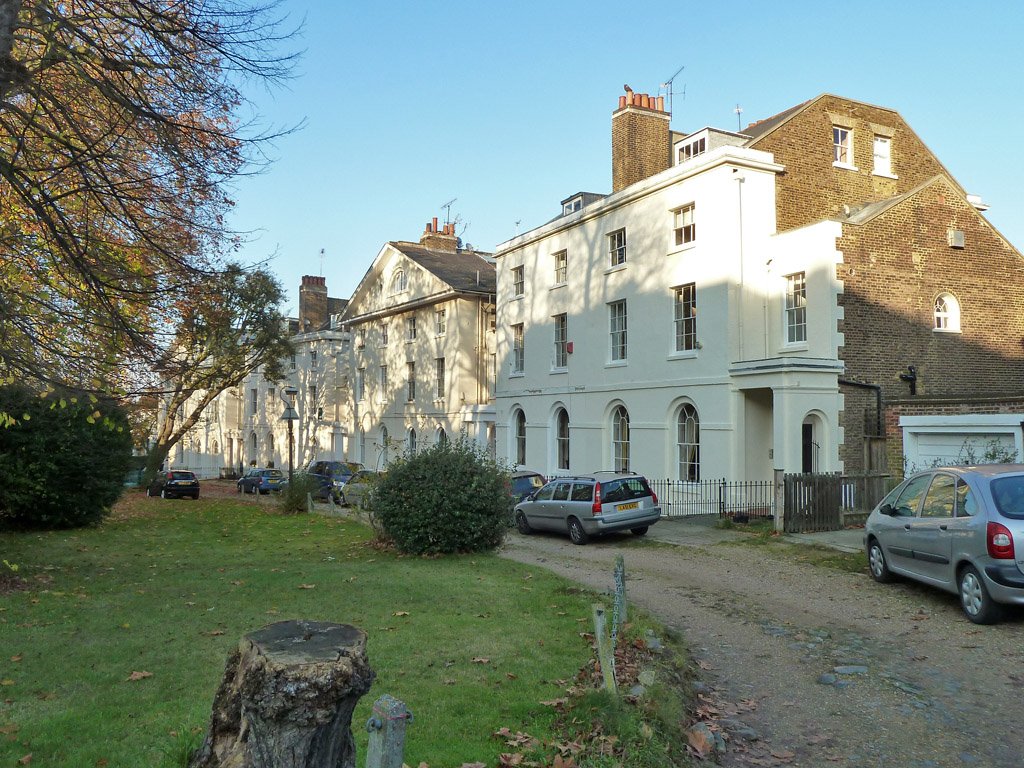
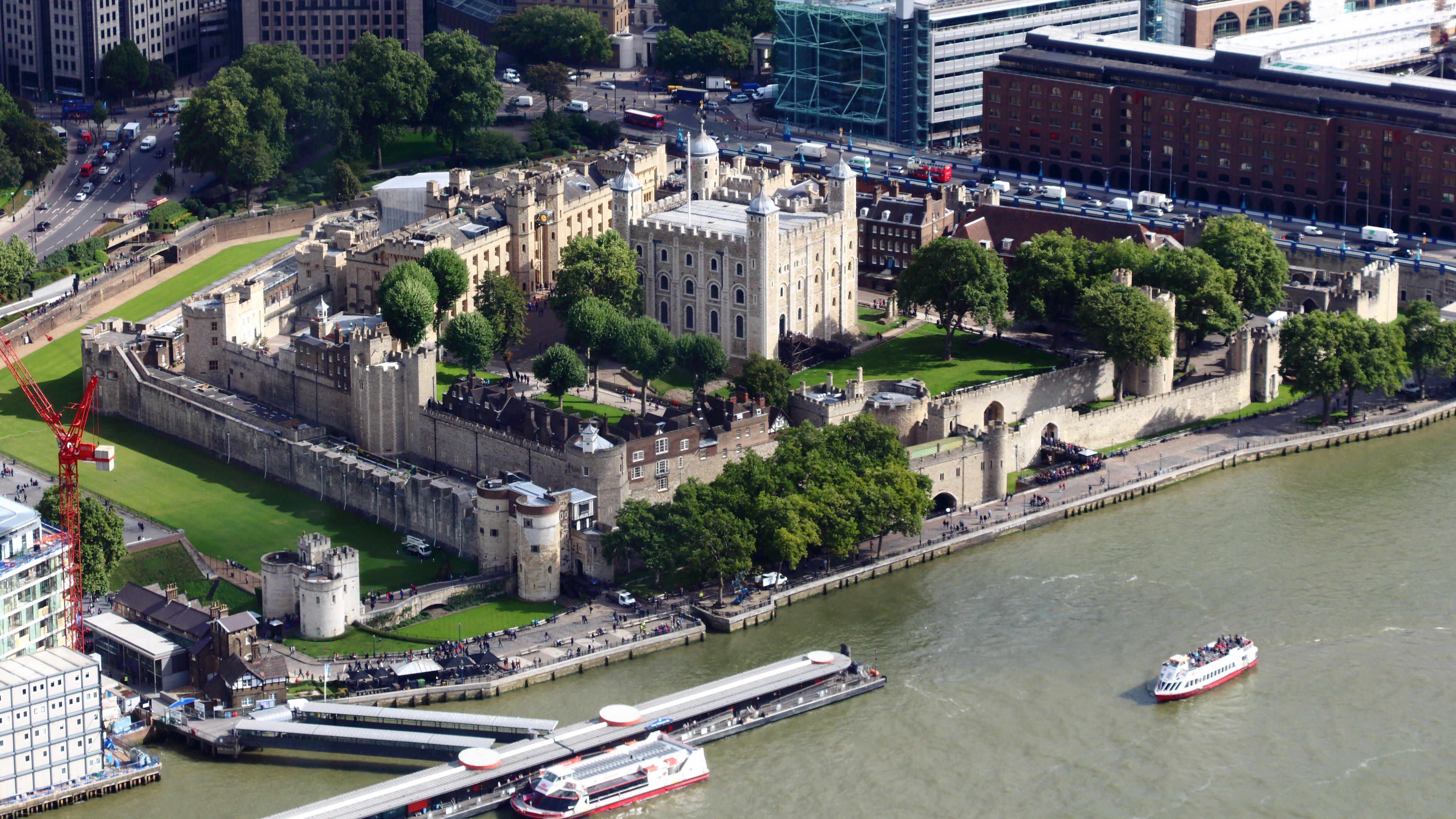
London has been a capital since the Romans founded Londinium in AD 43. The medieval city burned in 1666 and was rebuilt by Wren. The Georgian and Victorian eras added the broad terraces, the great museums, and the underground railway. The 20th century bombed and rebuilt it again. What you see today is all of these layers at once, which is part of what makes the city so dense and interesting.
The tube is your default transport: 13 lines, extensive if not complete, and faster than any surface alternative in the centre. Buy an Oyster card or tap a contactless bank card — you will overpay significantly using paper tickets. Buses are slower but far more pleasant for sightseeing. Black cabs are excellent but expensive; apps like Uber and Bolt offer cheaper alternatives.
Budget carefully. London is not cheap. A pint of beer in a pub runs £5–7, a sit-down meal for two with wine easily reaches £60–80, and even the Tube adds up quickly if you are crossing zones repeatedly. That said, the city's museums — the British Museum, the National Gallery, the V&A, the Natural History Museum — are all free, which is genuinely remarkable.
Things to Do · Eating Out · Bars and Cafes · Shopping · Getting There · Getting Around · When to Go