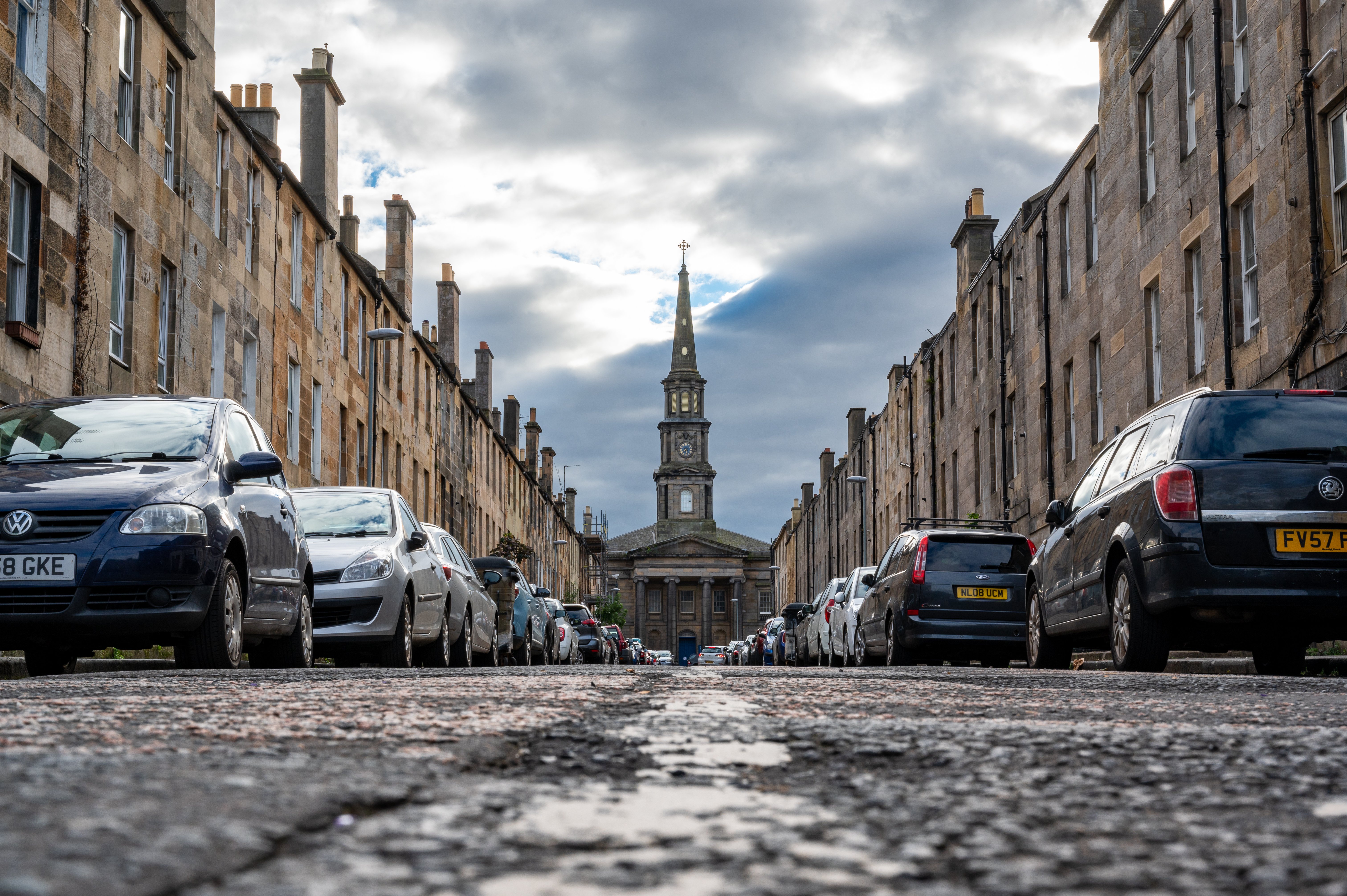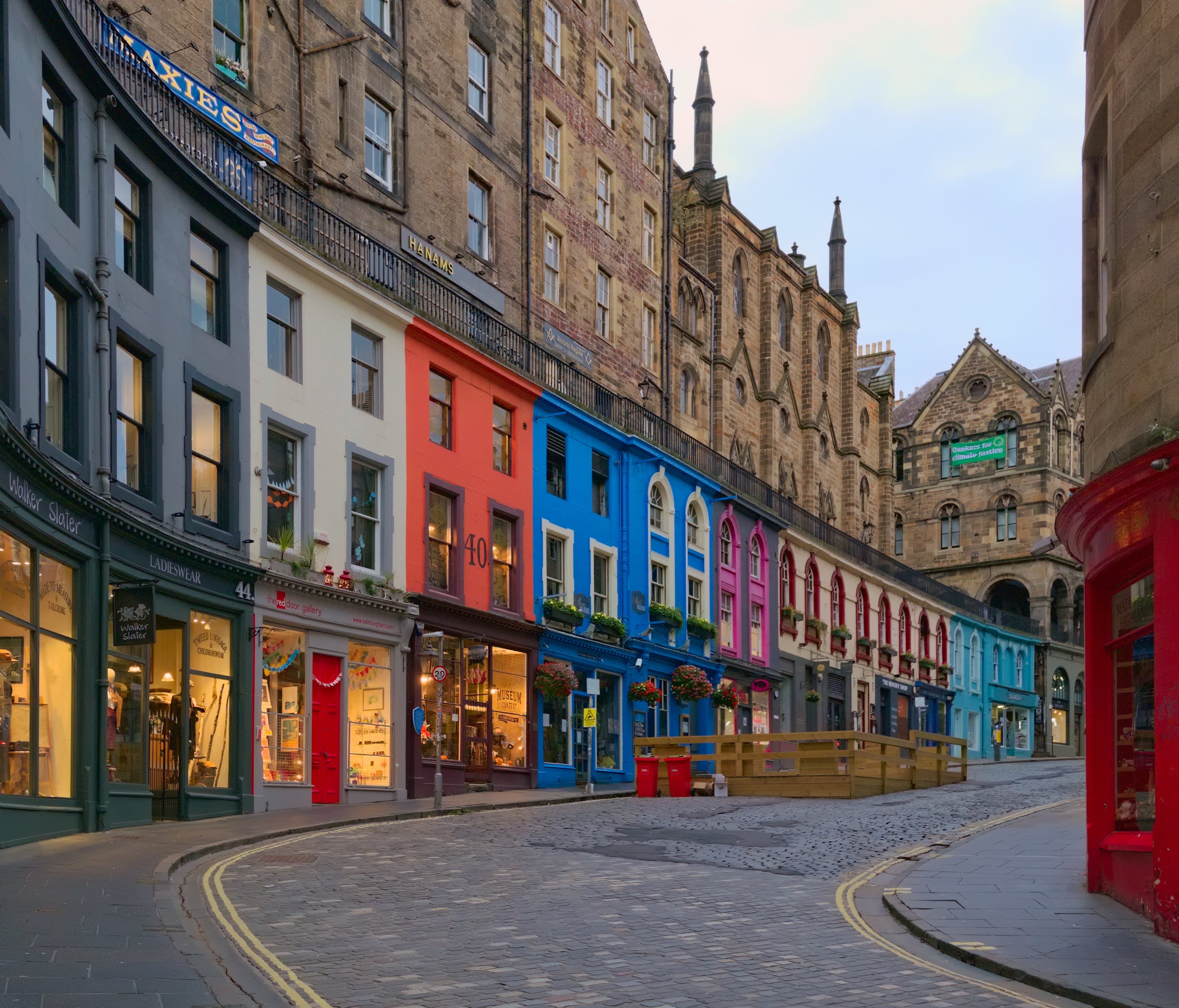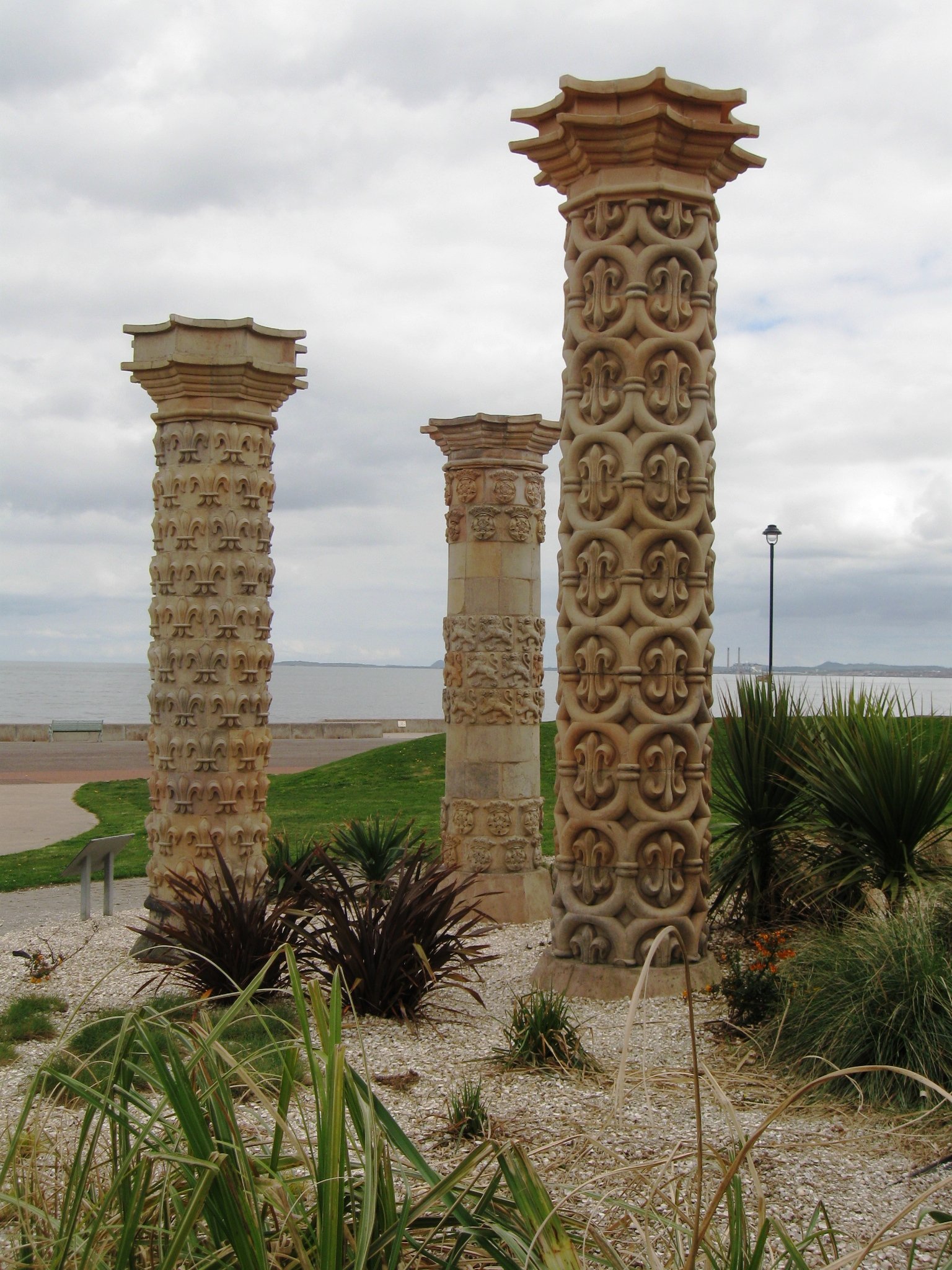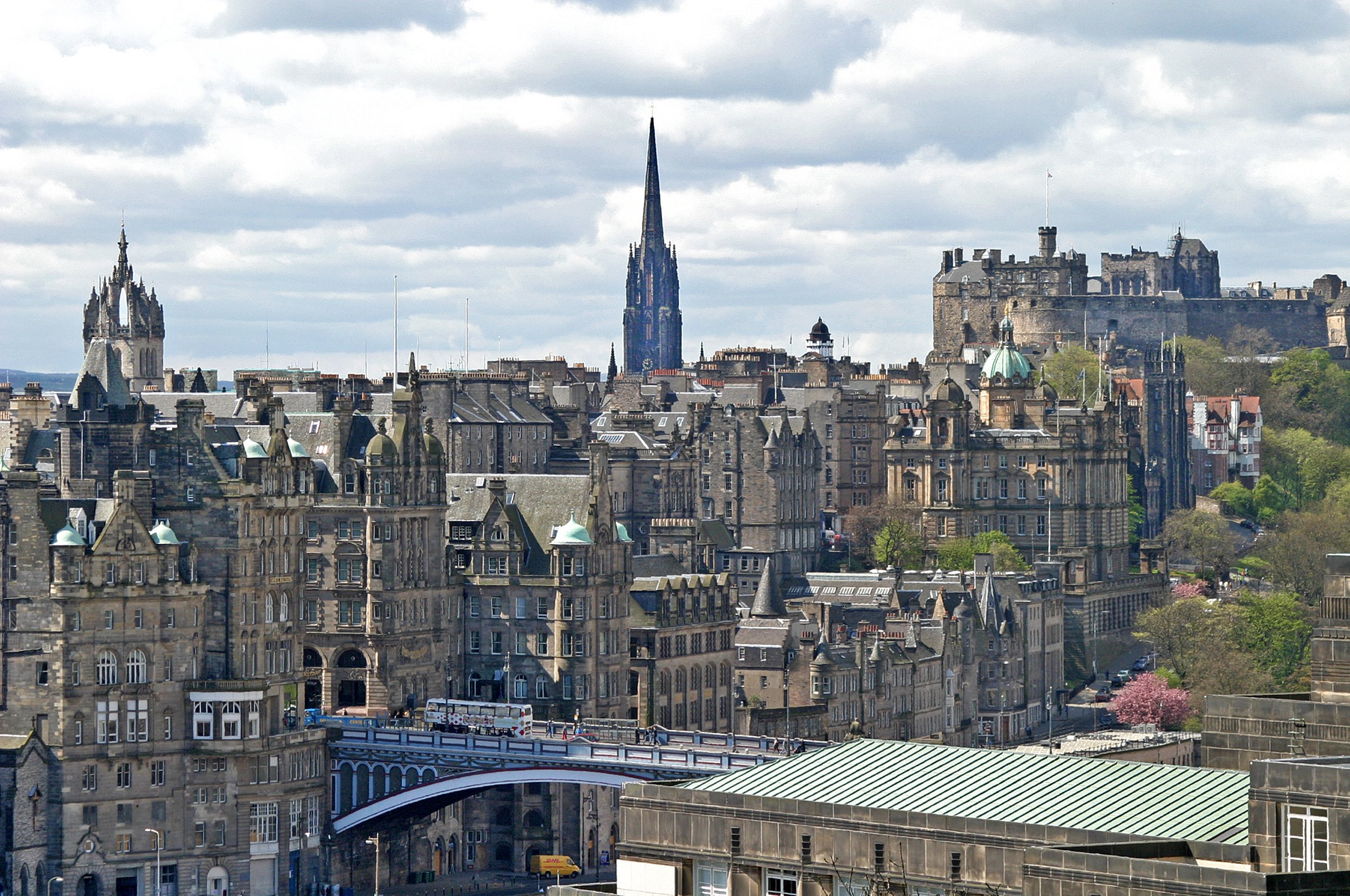
The capital of Scotland, Edinburgh is one of the world's great cities — a compact, walkable capital built on volcanic rock and Georgian ambition, where the medieval Old Town and the planned New Town face each other across a valley that was once a loch. Few cities pack so much history, architecture, and sheer drama into such a small space.
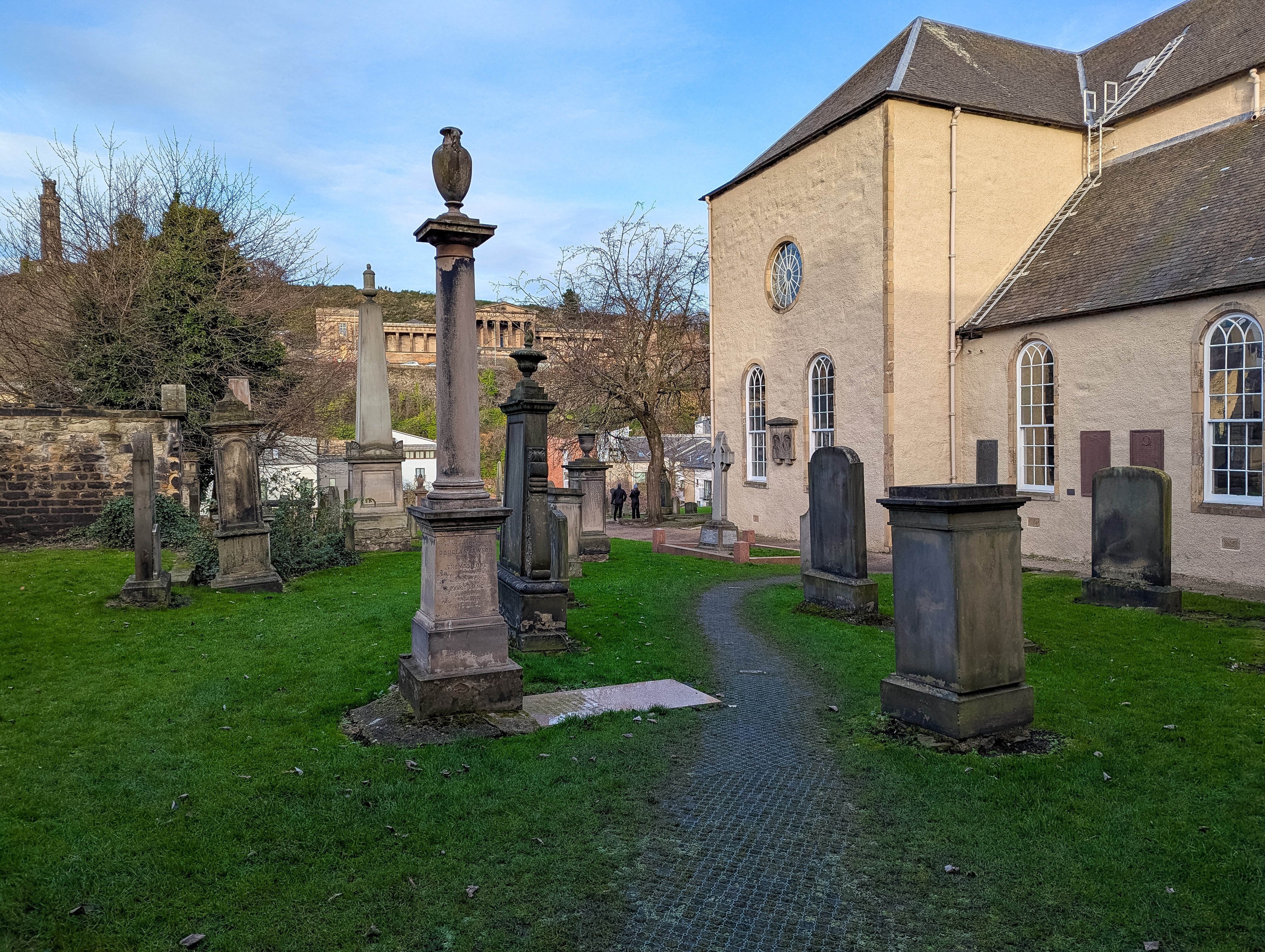
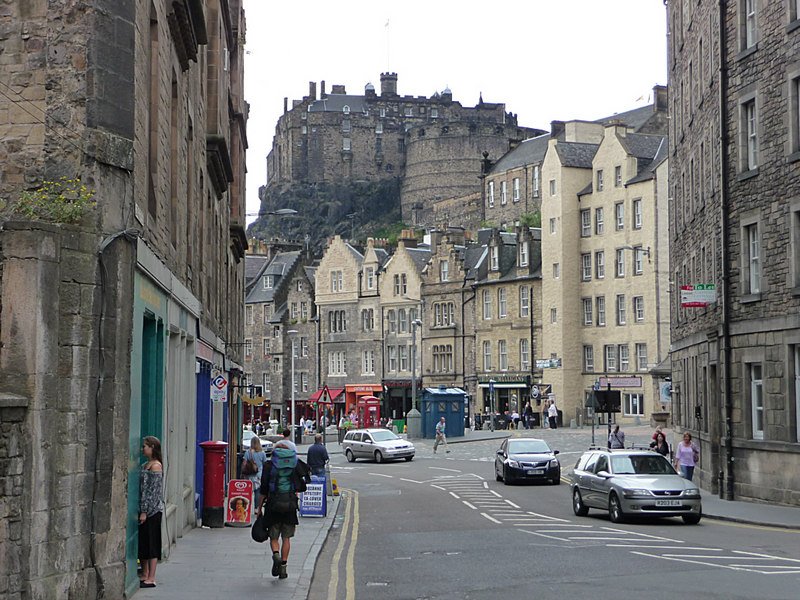
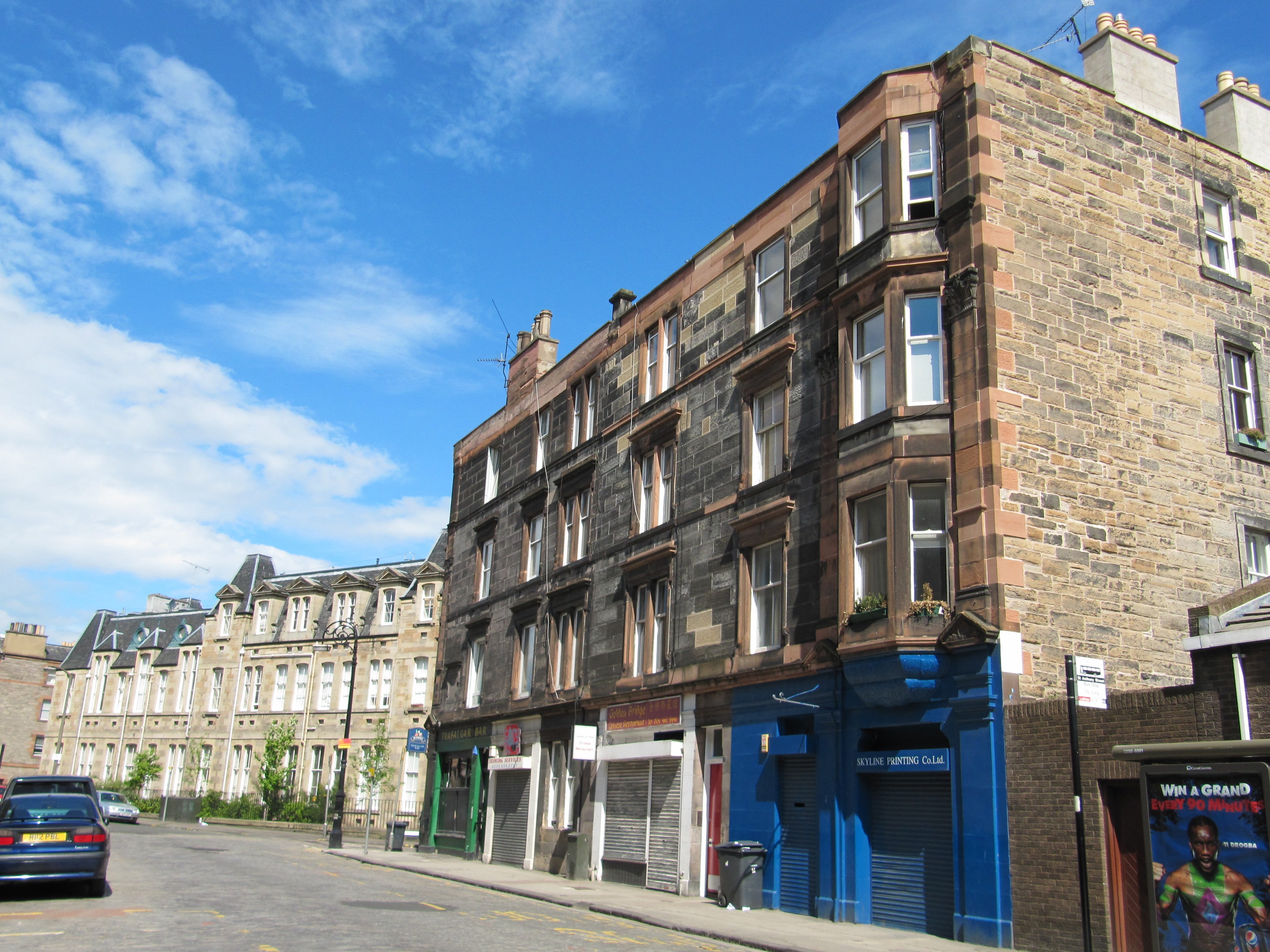
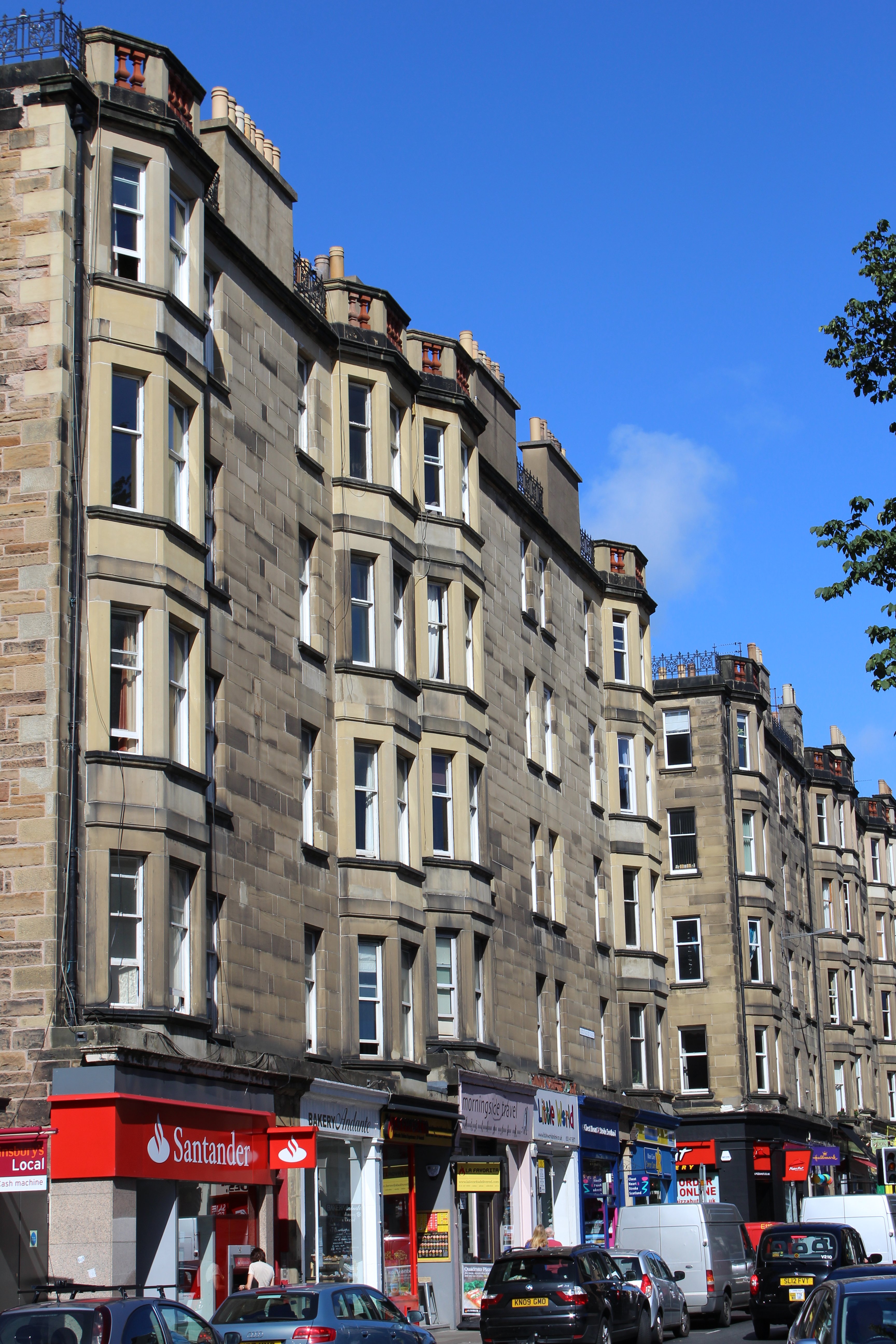
The Royal Mile runs from Edinburgh Castle at the top to the Palace of Holyroodhouse at the bottom — the whole spine of the Old Town in a single kilometre. Off either side, closes and wynds plunge into the tenement blocks that once housed the entire city, rich and poor, in the same stairwells. The Scottish Parliament sits at the bottom of the Mile, its extraordinary Catalan-designed building facing Holyrood. Greyfriars Kirkyard is the Old Town's best half-hour: ancient gravestones, the Covenanters' Prison, the tomb of Greyfriars Bobby.
Holyrood Park with its Arthur's Seat volcano is one of the great city parks in Europe, and Calton Hill to the east gives the best panoramic view of the whole city without much effort. Princes Street Gardens in the valley below the castle are Edinburgh's drawing room — open, green and free. The National Museum of Scotland on Chambers Street is free and among the best national museums in Britain; the National Gallery on the Mound is equally free and equally excellent.
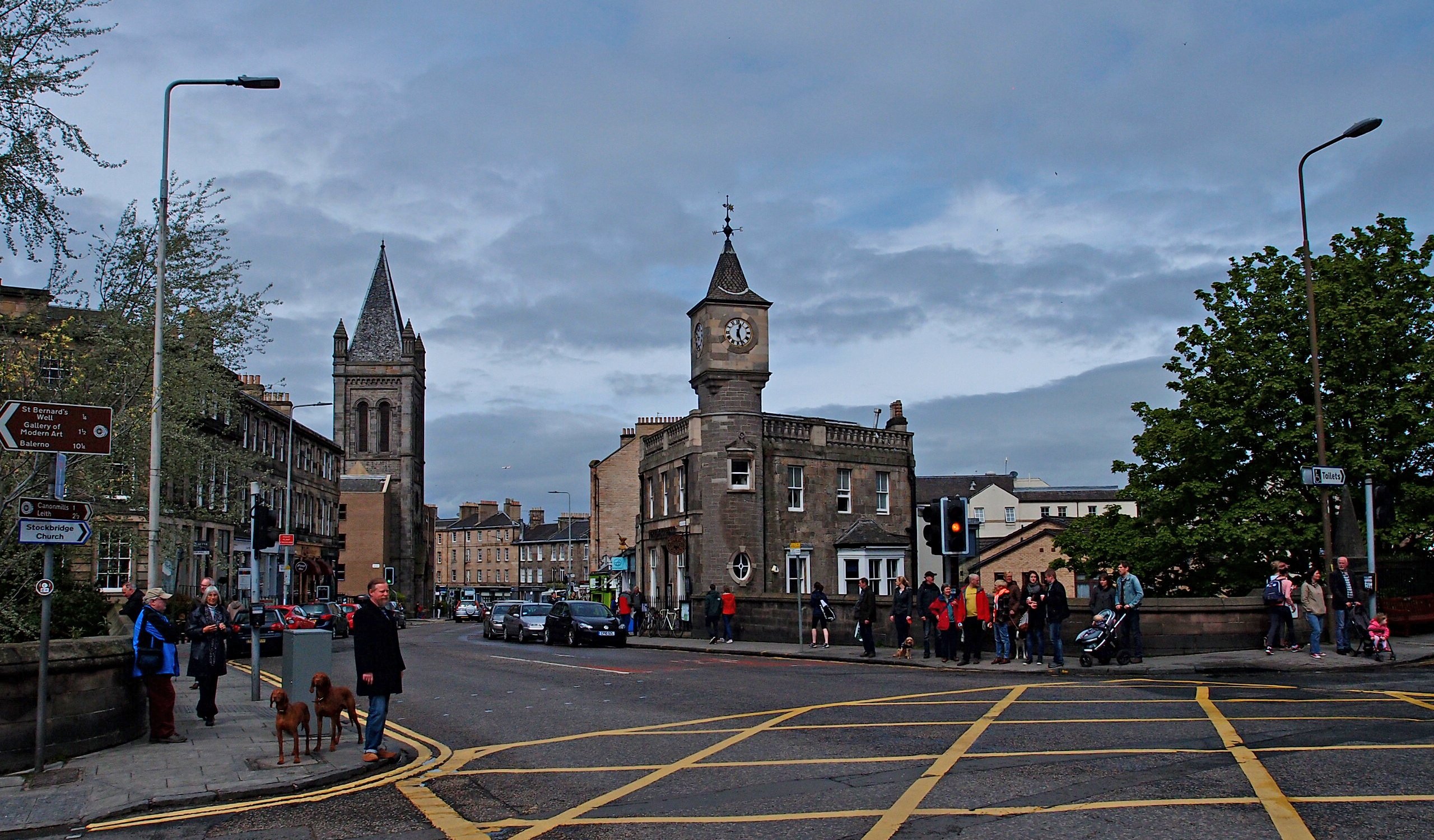
The New Town — Stockbridge, George Street, the Georgian terraces of the northern slopes — is Edinburgh at its most elegant. Leith, the former port to the north, is Edinburgh at its most interesting to eat in.
In August, the city transforms for the Festivals — the Fringe, the International Festival, the Book Festival, the Military Tattoo — and becomes for three weeks the most culturally concentrated place on earth.