Culross
©
Culross

Culross

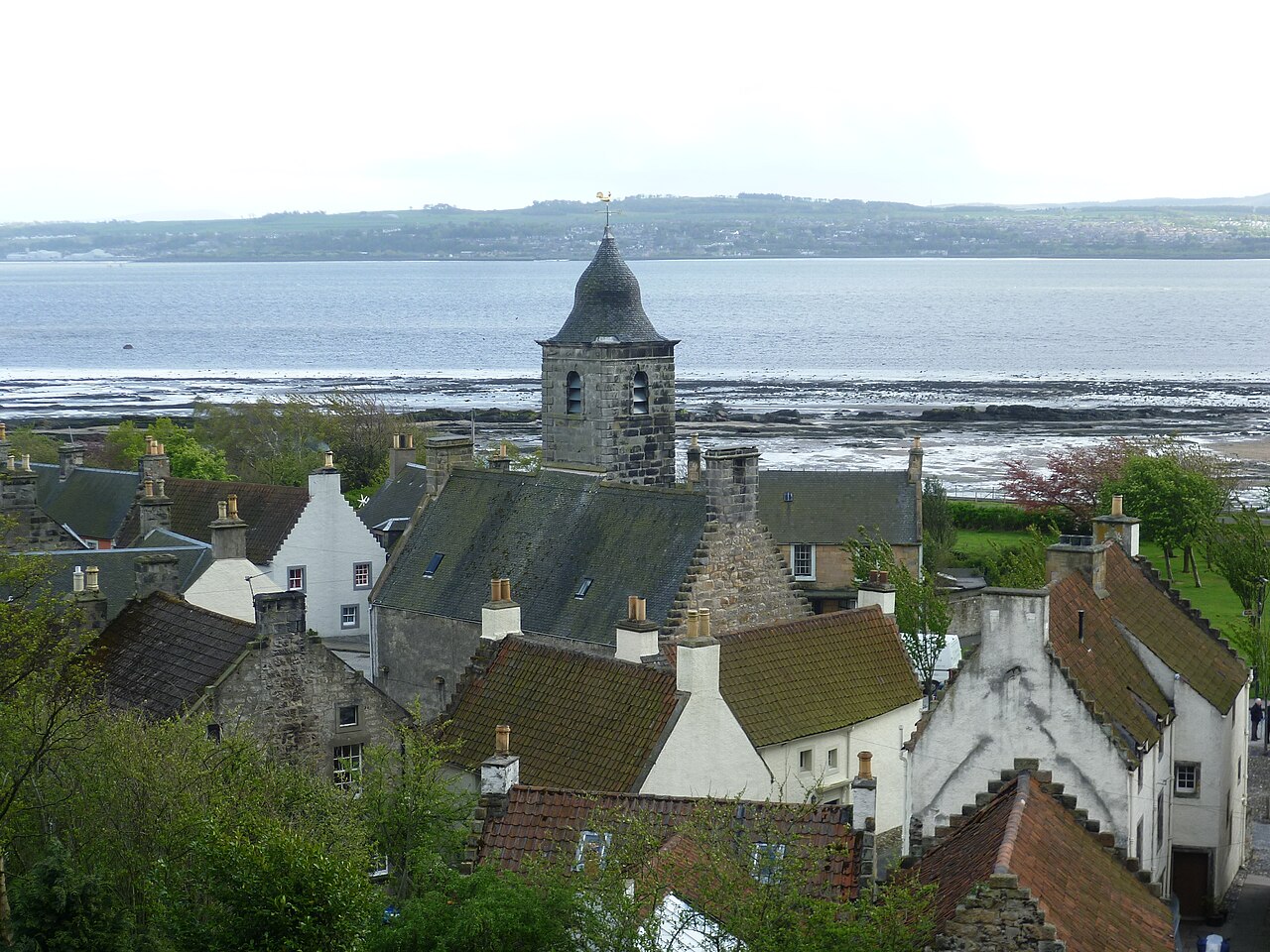
Culross is a preserved Fife village of 16th- and 17th-century houses on the Firth of Forth.

Culross is a connoisseur's piece — a tiny village on the north bank of the Firth of Forth that looks much as it did in the 16th and 17th centuries. There is nothing in the surrounding landscape to prepare you for it; the shipyard town of Rosyth is nearby and the approach is unremarkable. Then you turn a corner and find yourself in the most complete example of a Scottish burgh from the 1600s.

Nearly all the houses are original, with crow-stepped gables, red pantile roofs, and cobbled streets where the raised central stones were literally reserved for council members while commoners walked in the gutters either side. The National Trust for Scotland owns most of the historic buildings, including the ochre-painted Culross Palace — not really a palace, but a prosperous coal merchant's house with remarkable original painted ceilings — and the Town House with its witches' prison in the attic. The ruins of a Cistercian Culross Abbey sit on the hill above, the choir of the medieval church still serving as the parish kirk.

If you are staying in Edinburgh for more than a couple of days, Culross makes an excellent half-day trip — about 35 minutes by car across the Forth Road Bridge. Fans of the television series Outlander will recognise it as the fictional village of Cranesmuir.

Guide

Getting There

Culross is most easily visited as a day trip from Edinburgh (20 miles east) or Stirling (12 miles west).

By bus: Stagecoach services run from Dunfermline bus station to Culross; check current timetables as services are infrequent. Dunfermline is connected to Edinburgh by train (30 minutes) and by bus.

By car: From Edinburgh, cross the Forth Road Bridge and take the A994 west towards Culross. The journey takes about 35 minutes. Limited parking is available at the western end of the village — do not drive into the historic centre, which is pedestrianised or too narrow for cars. From Stirling, take the A977 east to Kincardine then follow the B9037 along the Firth of Forth.

By ferry: During summer months a small passenger ferry sometimes operates across the Firth of Forth between Culross and Bo'ness on the south bank; check locally as this service is seasonal and weather-dependent.

Guide

Things to Do

Culross is small enough that all the main sights are within ten minutes' walk of each other. The National Trust for Scotland owns and manages the Palace, the Study, the Town House, and several other historic buildings. Most visitors arrive for a half-day, which is enough to see the main buildings, walk the cobbled streets, and climb the hill to the abbey ruins. The village rewards lingering, though — the textures of the walls, the carved lintels, and the unexpected details repay slow attention.