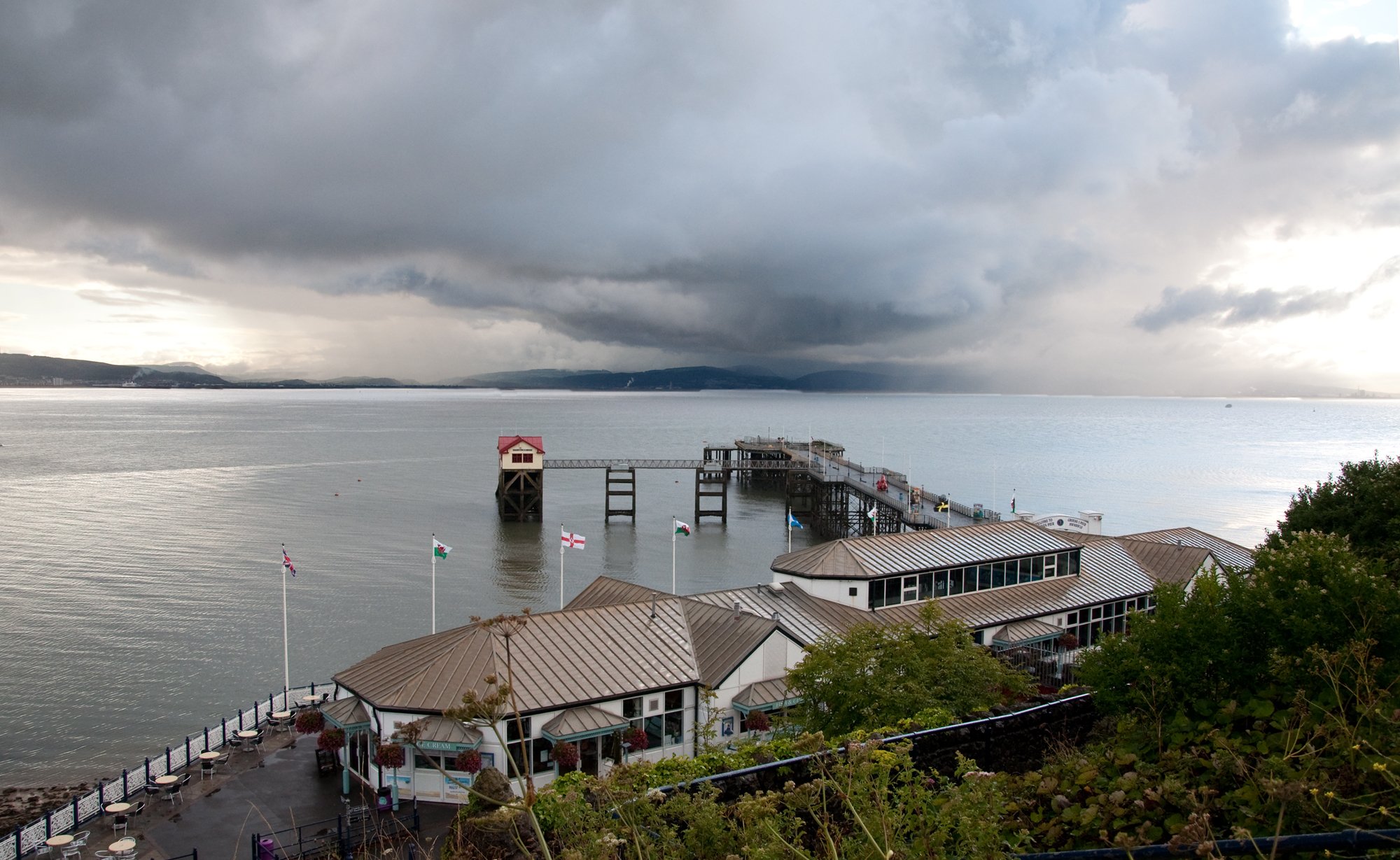
Swansea — Abertawe in Welsh — is pretty and pretty ugly at the same time. The old industrial port and the bombed-out 1950s reconstruction sit alongside a revived Maritime Quarter, a long stretch of sand at Swansea Bay, and the wide-open hills and cliffs of the Gower Peninsula a few miles further west.
Swansea is far more Welsh-feeling than Cardiff. You will hear Yr Iaith — the language — spoken in the markets, the chapels and the older suburbs, and the city has a stronger sense of being its own place. It is also Dylan Thomas's city: he was born in the Uplands at 5 Cwmdonkin Drive, played as a child in Cwmdonkin Park, drank in the bars of Wind Street and remembered the city all his life.
The compact centre runs from Castle Square, with the ruins of Swansea Castle, through Swansea Market — the largest indoor market in Wales — down to the National Waterfront Museum, the Dylan Thomas Centre and the marina. The Glynn Vivian Art Gallery holds a surprisingly strong collection of Welsh and international art.
Beyond the centre, the bayside cycle and bus route runs five miles west to Mumbles, the Victorian seaside village under Oystermouth Castle. Further on, the Gower Peninsula — Britain's first Area of Outstanding Natural Beauty — has Rhossili Bay, the tidal causeway out to Worm's Head, and a dozen other beaches and cliff walks that more than justify the trip to South Wales.