L'Anse aux Meadows
©
L'Anse aux Meadows

L'Anse aux Meadows

Newfoundland archaeological site preserving a Norse outpost from around 1000 AD at the island's northern tip

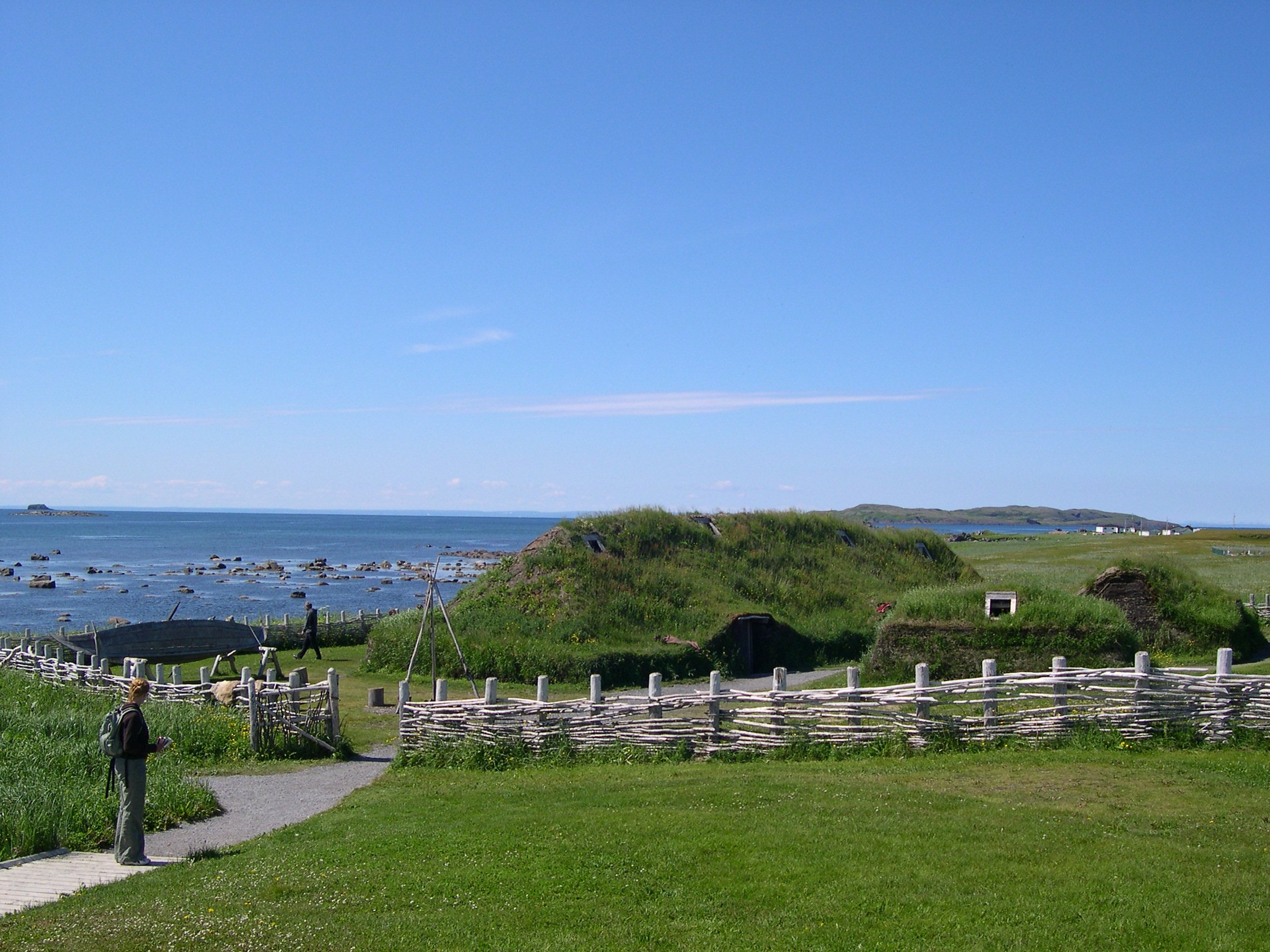
At the very northern tip of Newfoundland, L'Anse aux Meadows is the earliest known European settlement in the New World — a Norse outpost dating to around 1000 AD, five centuries before Columbus. The site was discovered in 1960 by Norwegian explorers Helge and Anne Stine Ingstad and became a UNESCO World Heritage Site in 1978.

Reconstructions of three Norse sod buildings give a tangible sense of how Leif Erikson's crew lived and worked here. The visitor centre has exhibits on the Viking lifestyle and the archaeological excavation, and costumed interpreters bring the settlement to life in summer. The surrounding landscape is stark and beautiful — windswept headlands, icebergs drifting past in spring, and hiking trails leading to quiet bays. Getting here requires a long drive up the Great Northern Peninsula, but the remoteness is part of the experience.

Guide

Getting There

L'Anse aux Meadows is at the very tip of Newfoundland's Great Northern Peninsula, about 430 km north of Deer Lake. There is no public transport — you need a car.

The most common route is to fly into Deer Lake Regional Airport (serviced from Toronto, Montreal, and Halifax), rent a car, and drive north on Route 430, the Viking Trail. The drive takes roughly five hours with short stops along the way. The road passes through Gros Morne National Park, which is worth at least a night on its own, and through the small fishing towns of Rocky Harbour and St Anthony.

St Anthony, 28 km from the site, is the nearest town with hotels, gas stations, and a grocery store. Book accommodation in advance in summer — there are very few rooms in the area and the site attracts more visitors than the infrastructure suggests.

Guide

When to Go

The site is open from mid-June to mid-October, with July and August as the peak months. Summer days are long — sunlight until 10 pm — and the costumed interpreters at the site are in full swing. Temperatures are cool by continental standards even in July, rarely topping 18°C, and the wind off the Labrador Sea can be cutting even on sunny days.

The real show-stopper is iceberg season, which peaks in May and early June before the official opening. If you can time a visit to catch the last of the icebergs — great blue-white towers drifting past just offshore — it is worth the extra effort. Check IcebergFinder.com for current sightings. By late July the bergs are usually gone.

Whale watching is best in July and August, when humpbacks and minkes follow the capelin into the strait. After Labour Day the crowds thin and the light turns golden, but the nights come fast.