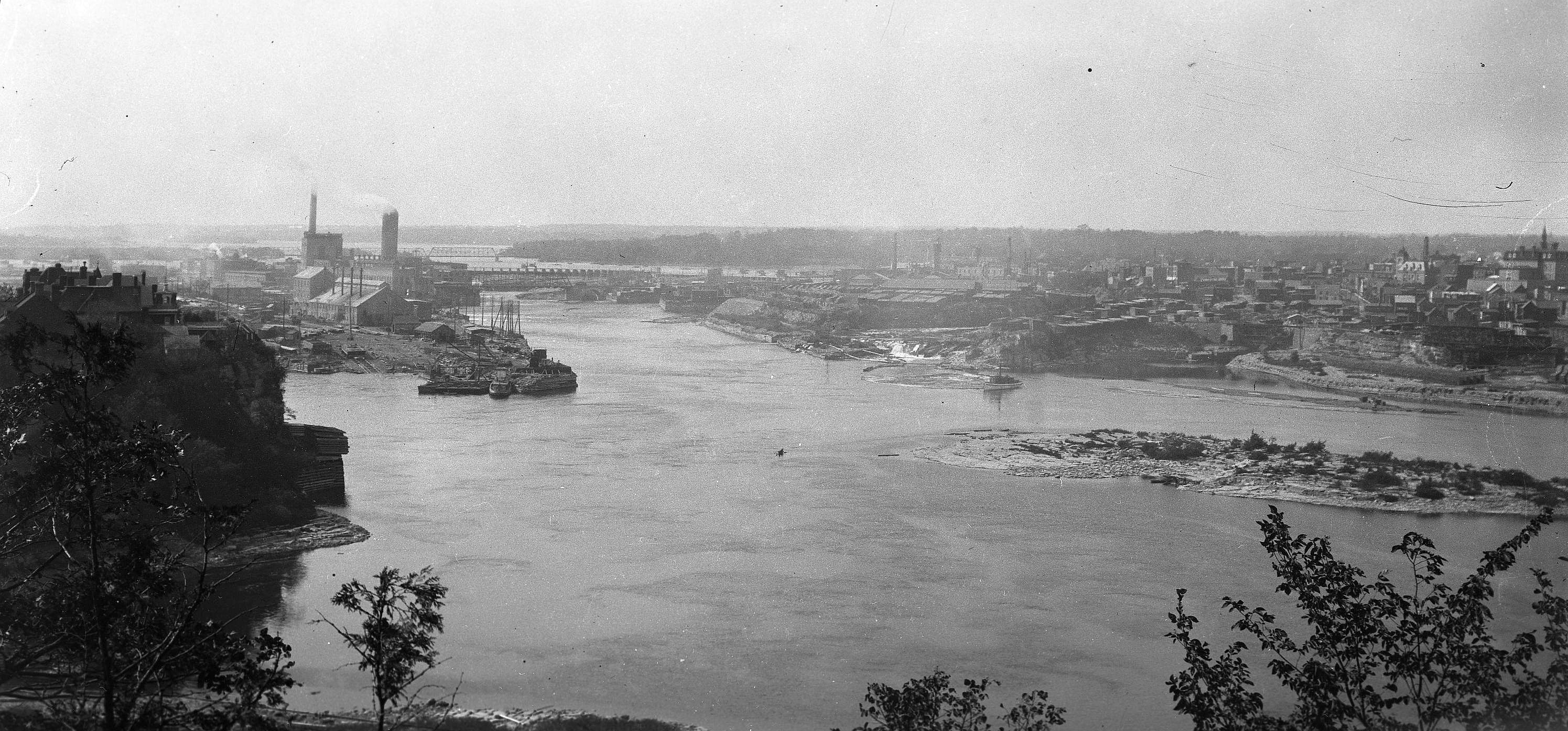
Hull is the historic name for what is now part of Gatineau, the Quebec city directly across the Ottawa River from Canada's capital. The merger of Hull and several surrounding municipalities into Gatineau in 2002 means the name Hull lives on mainly in local usage and older maps — but the neighbourhood retains a distinct identity.
Hull's proximity to Ottawa has always defined it. For much of the 20th century it was where federal government workers crossed the bridge for looser liquor laws and livelier bars — Ontario's licensing laws were stricter than Quebec's, and Hull's restaurants and clubs benefited accordingly.
Today the main draw for visitors is the Canadian Museum of History, one of Canada's premier museums, housed in a striking Douglas Cardinal–designed building on the river's edge. The museum covers 20,000 years of human history in the country, with the world's largest indoor collection of totem poles in its Grand Hall. The riverside views back to Parliament Hill are among the best in the region.
Just north of the city, Gatineau Park is a 361 square kilometre wilderness area with hiking, swimming, and ski trails — as well as the Mackenzie King Estate at Kingsmere, the eccentric garden retreat of Canada's longest-serving Prime Minister, complete with ruins assembled from demolished buildings around the world. In the evening, the Casino du Lac-Leamy is the region's main entertainment venue, with a 1,100-seat theatre and an annual fireworks competition in August.