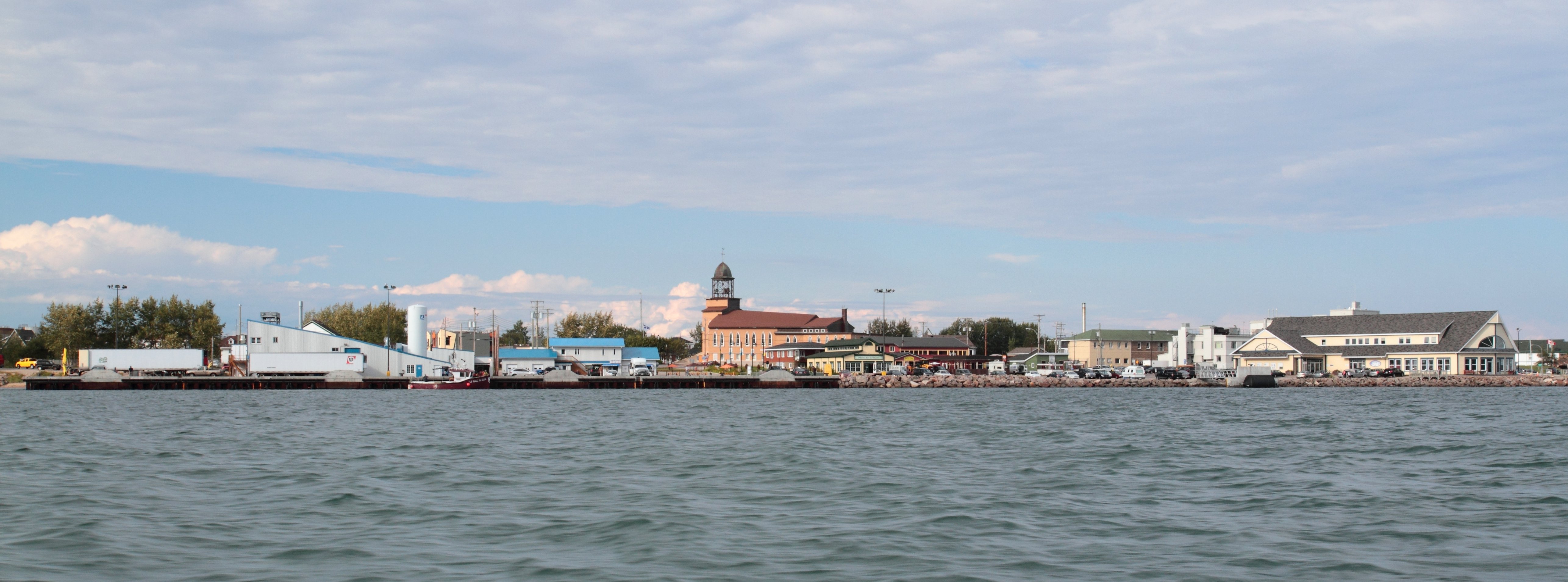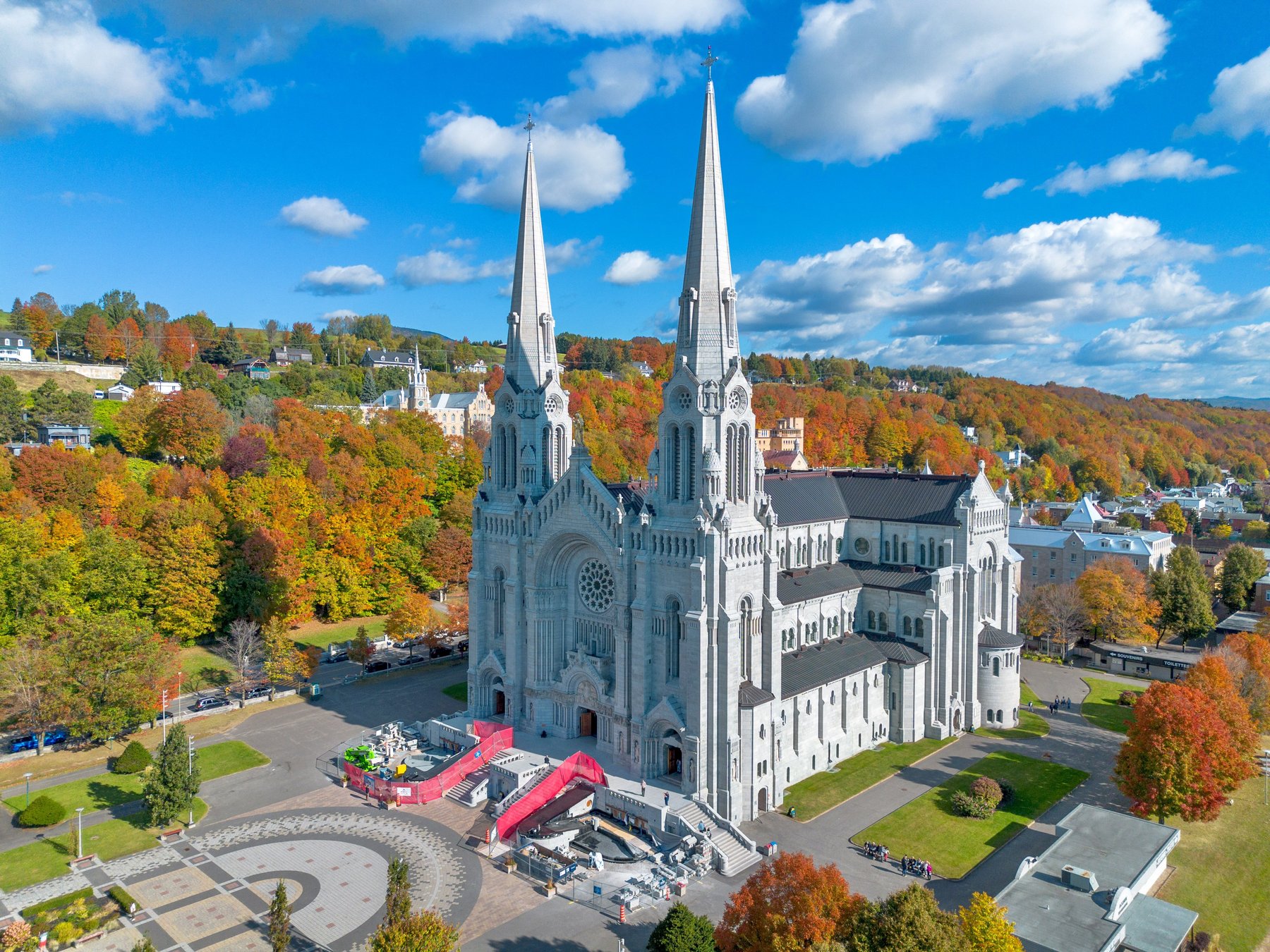
Québec is the largest province in Canada by area and the only one with a French-speaking majority. About 8.5 million people live here, most of them along the St. Lawrence River valley between Montréal and Québec City. Beyond that corridor, the province is enormous, remote and wild — the Laurentians to the north, the forested Laurentide plateau, the Saguenay Fjord, the Gaspé Peninsula jutting into the Gulf of St. Lawrence, and the vast subarctic expanse of the Canadian Shield.
The question of Québec's cultural identity — and whether it should be a sovereign nation — has shaped Canadian politics for decades. At the 1995 referendum, the province came within a single percentage point of voting for independence. That political undercurrent remains, but it shouldn't distract from what makes Québec distinctive as a place to visit: the French language, the cuisine, the architecture of the old cities, and a way of life that feels genuinely different from the rest of the continent.
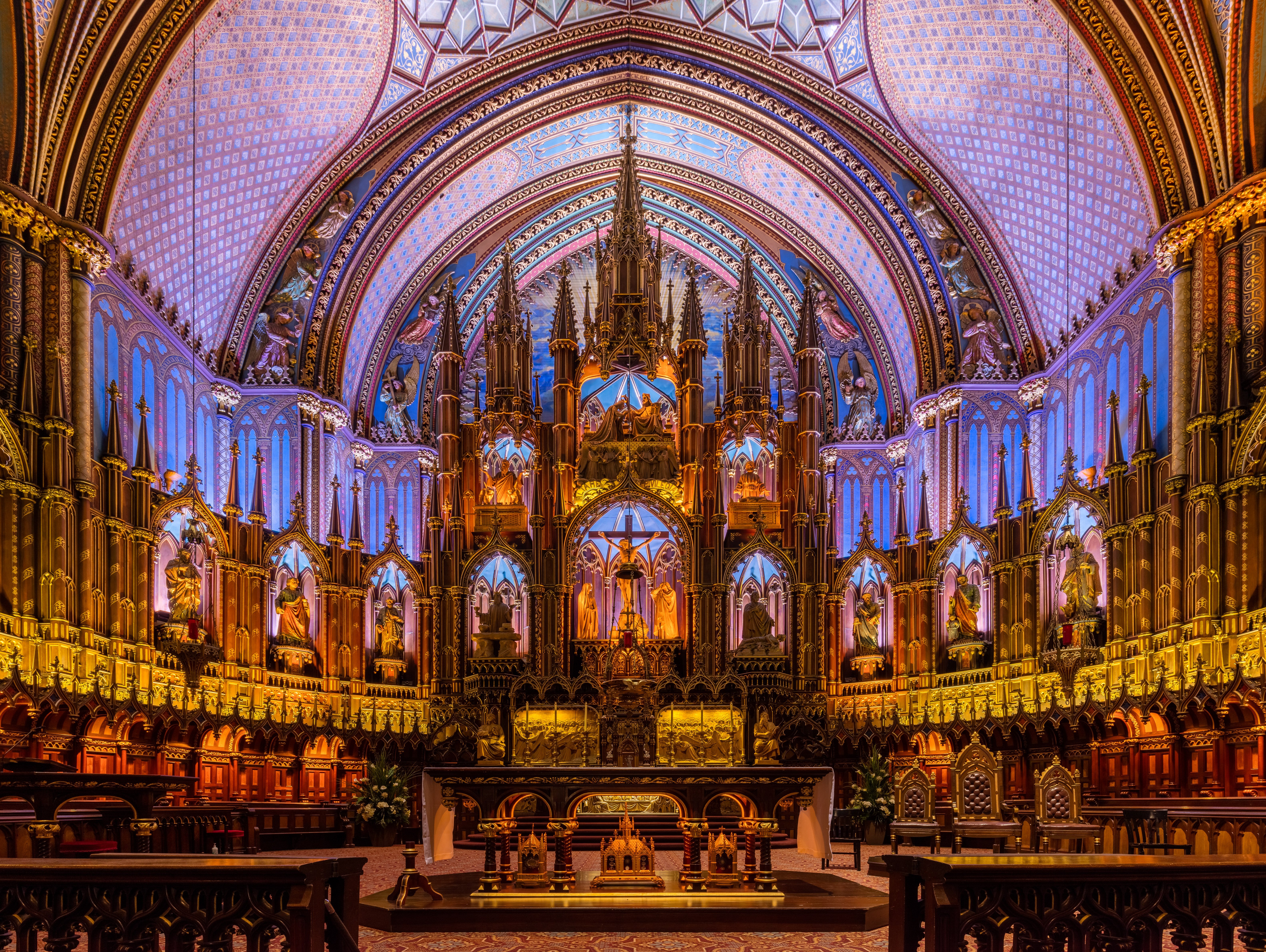
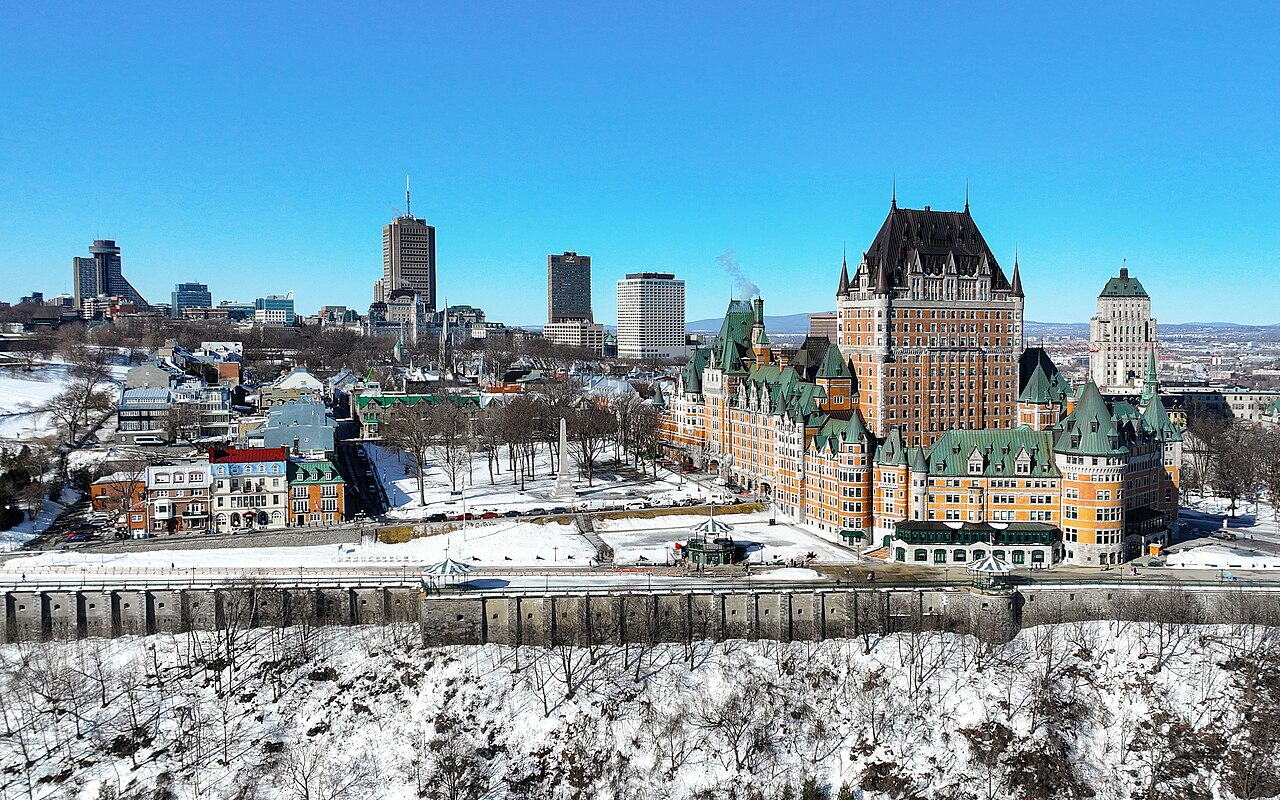
Montréal is the cultural capital — a bilingual, cosmopolitan city with outstanding food, a packed festival calendar, and a nightlife that runs later than anywhere else in Canada. Québec City is the political capital and the historical heart: a walled 17th-century city on a cliff above the St. Lawrence, the most European urban environment in North America.
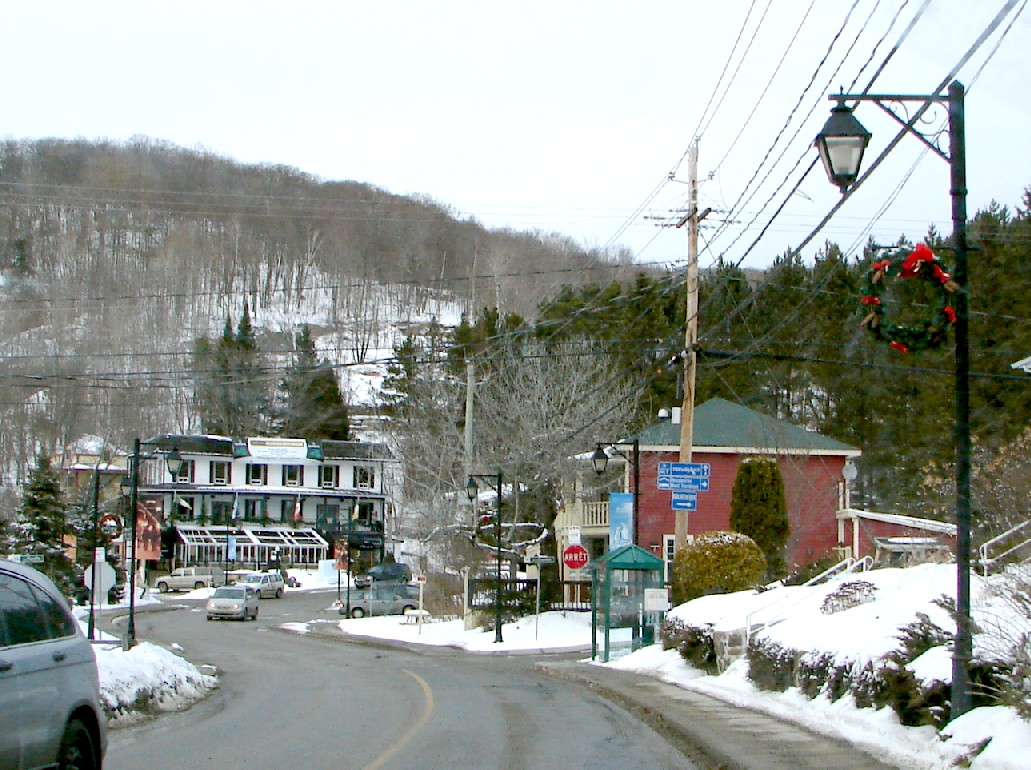
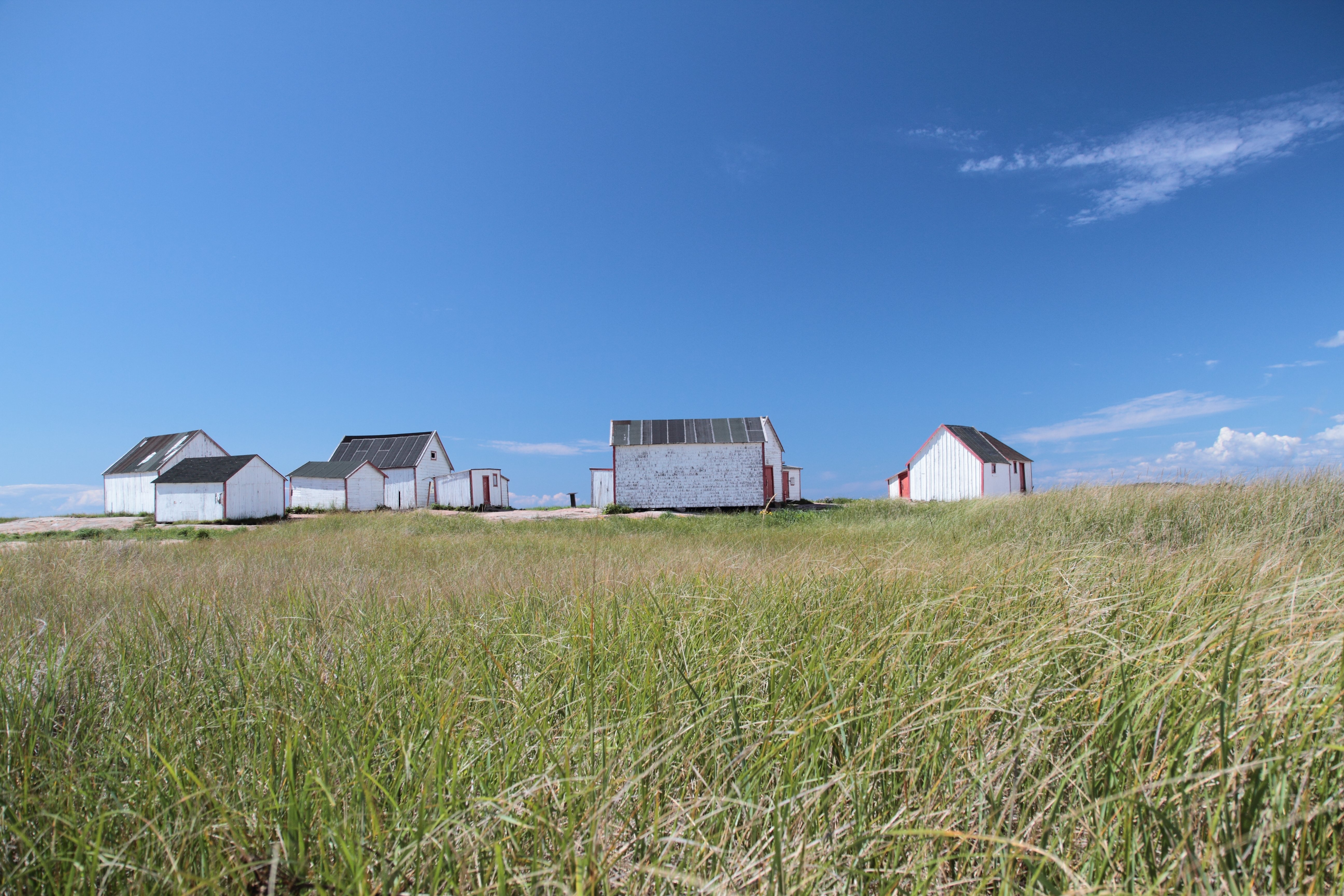
Beyond the two main cities, the province rewards exploration. The Laurentians (les Laurentides) north of Montréal are a popular ski and cottage destination. Charlevoix, along the north shore of the St. Lawrence between Québec City and the Saguenay Fjord, is known for its landscape, its food producers and its whale watching. The Gaspé Peninsula (la Gaspésie) is rugged and beautiful, with the Chic-Choc mountains, the rock formation of Percé and the largely undeveloped coastline of the gulf. The Eastern Townships (les Cantons-de-l'Est) southeast of Montréal have a softer landscape of lakes, vineyards and old Loyalist towns.
Destinations: